

The Norwegian Air Force and its “Quick Reaction Alert” program with NATO have been busy monitoring a boom in Russian aviation activity close to Norwegian air space this year. Norway’s domestic intelligence agency PST, meanwhile, is warning residents along the coast of Northern Norway to be on the alert for both Russian and Chinese intelligence gathering of their own.
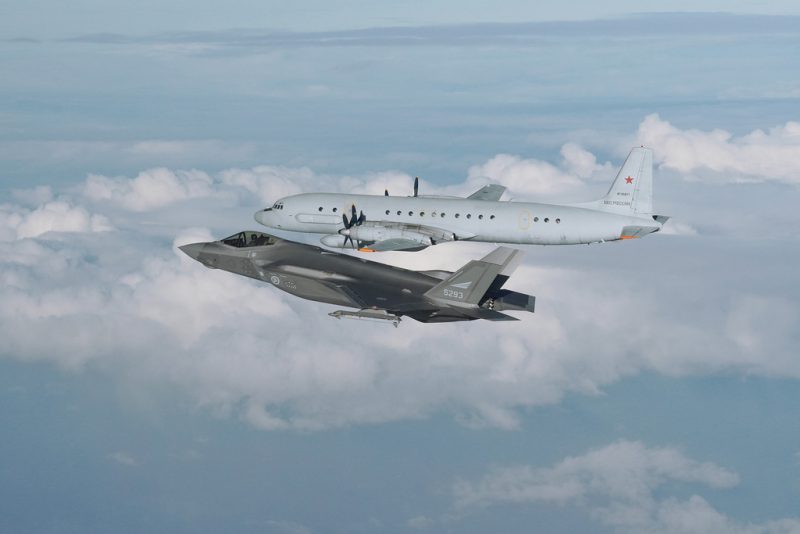
By the beginning of this month, Norwegian fighter jets had identified double as many Russian aircraft along the coast as they had all of last year. The activity so far has occurred in international waters, which is legal but considered a form of provocation. Norwegian F35s have often seen a need to cut them off and keep them out of Norwegian air space.
“In some periods we had to fly out daily” to warn the Russian pilots to keep away, a spokesman for the Air Force (Luftforsvaret) told Norwegian Broadcasting (NRK) this week. Sigurd Tonning-Olsen said the fighter jets launched to ward off Russian aircraft are aimed at unidentified aircraft flying close to Norway.
“We have to identify them and at the same time keep them out of Norwegian air space,” Tonning-Olsen told NRK.
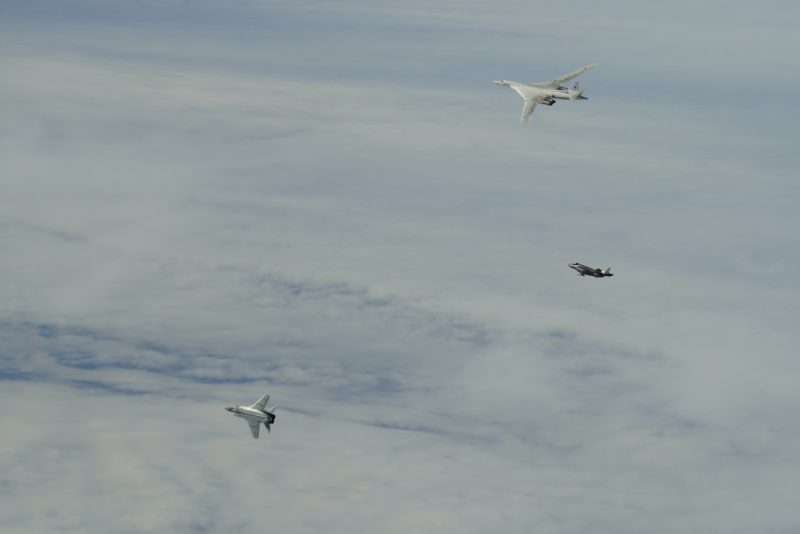
The exercises are part of Norway’s and NATO’s Quick Reaction Alert (QRA) program. Two F35 fighter jets are now based at Evenes between Harstad and Narvik in Northern Norway, which functions as both a military air base and a civilian airport for the local area. Norwegian surveillance aircraft are also based there.
The F35s have to fly out within 15 minutes of an alarm sounded over unidentified aircraft approaching Norway. A total of 53 Russian military aircraft were identified last year, while 107 had been identified after Norwegian F35s were sent out 77 times by September 29.
That’s also the highest number of so-called “scrambles” and identification in the past 10 years. Norway’s Swedish and Finnish allies in NATO have been busy, too, with almost daily media reports last week of scrambles to fend off Russian aircraft over the Baltic Sea.
Tonning-Olsen stressed that NATO air space hasn’t been violated, but there’s been a need to defend soverignty over it. The scrambles are also fewer now than they were earlier last year but there’s also the danger of Russian drones over allied air space.
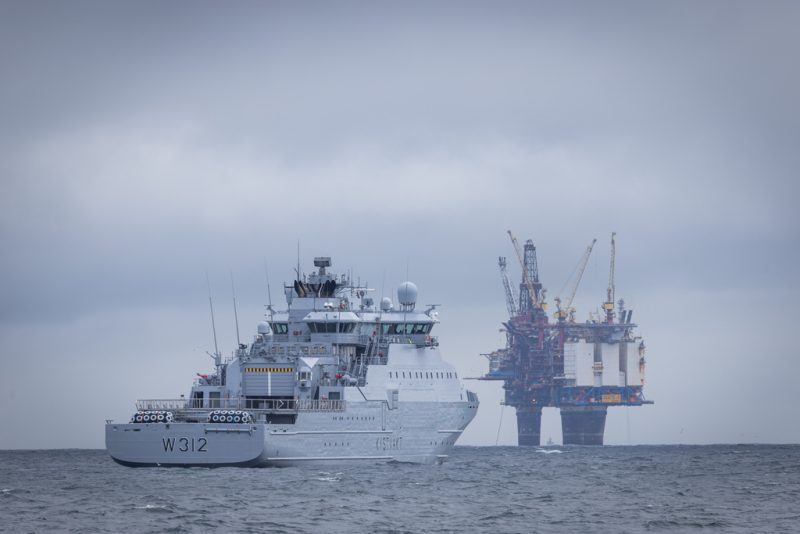
Both Russia and China, meanwhile, are believed to have boosted their spying on critical infrastructure along the Norwegian coast. PST, in charge of fending off spying in Norway, has reported that coastal and harbour areas are of great interest, as are undersea communication cables and all the undersea oil- and gas pipelines used by Norway’s offshore industry.
That’s nothing new, and the Norwegian military continues to patrol areas around offshore installations. Fear of sabotage spiked after Russia invaded Ukraine, and Europe became even more dependent on Norwegian oil and gas.
That’s why PST officials are now alerting local officials to the danger of espionage also in popular tourist areas like Lofoten and the North Cape. They’re calling for more security around shipping, fishing boats, the coastal shipping lines Hurtigruten and Havila, along with cruise traffic, and asking both those active in the maritime industry and the public in general to report any suspicious activity.
NewsinEnglish.no/Nina Berglund
