

Stricter rules and more lobster preservation areas in the waters around Norway have raised hopes for more lobsters in the traps allowed this year. The season got underway October 1 and trappers have reason to be optimistic.
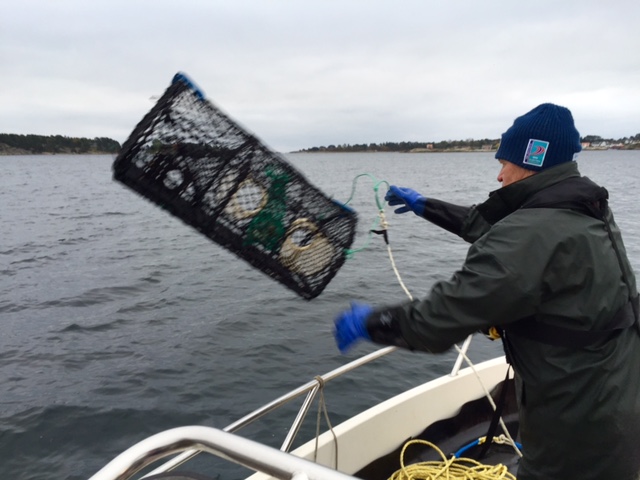
Lobsters are called hummer in Norwegian, and trappers seemed to be humming themselves last week. New research indicates that steps taken to preserve the national delicacy are yielding results. There are now more lobsters in the sea than there were 20 years ago, and this year’s avid lobster trappers can expect a better harvest.
“Knowledge about lobsters has exploded in recent years,” researcher Alf Ring Kleiven told state broadcaster NRK when the season officially began last Thursday. Kleiven has been specializing in lobsters at the Norwegian research institute Havforskningsinstituttet since he graduated from college more than 20 years ago.
There are now nearly 100 lobster preservation areas along the Norwegian coast, where no trapping is allowed. New research shows that the numbers of lobsters there are three- to four times as much as those found when Kleiven started following them. The lobsters in preserves can also grow and produce seven times as many eggs and larve that in turn can drift with the current to areas where lobster trapping is still allowed.
Around 300,000 Norwegians are active in fishing for lobster, both for sale and as a hobby. The vast majority follow the rules, return all females found with eggs to the sea, and respect state efforts to boost lobster stocks. Lobsters caught in the traps that are allowed also must be measured and large enough to harvest. All lobster trappers also need to register, so that researchers can know how many risk putting pressure on the lobster stocks.
Kleiven thinks the encouraging statistics heading into lobster season are a direct result of all the measures taken to preserve the marine delicacy, which fetches high prices at the market but often is just enjoyed at home by hobby trappers’ family and friends.
Lobster preservation areas account for around 4 percent of coastal areas south of Stad, functioning as “savings banks” for them. There have also been increasing efforts to interest school students in marine biology, to help preseve not just lobster but other forms of endangered seafood for generations to come.
NewsinEnglish.no/Nina Berglund
