

Norwegian police, the Coast Guard and inspectors from the state fisheries directorate have raided several fishing boat receiving stations along the coast. They suspect organized crime in what’s being billed as the country’s biggest fishing industry investigation ever.
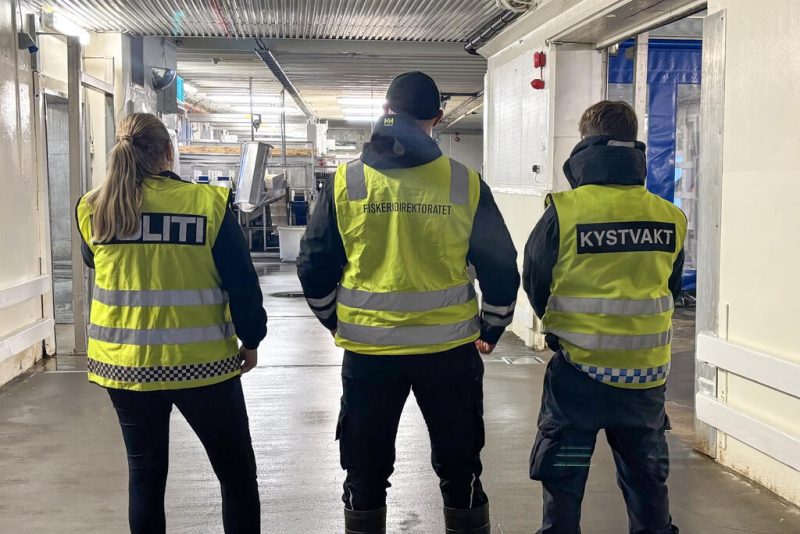
Norway’s national economic crime unit Økokrim suspects systematic fraud tied to the delivery of freshly caught fish to the stations where the fish is processed. The alleged fraud involves intentional under-reporting of the quantities of fish received and intentionally incorrect reporting of the types of fish caught, their size and weight.
More than 30 people have been arrested during the recent raids at more than 50 locations in nine police districts, from Finnmark and Nordland in the north to Trøndelag and Møre og Romsdal father south. Of those arrested, seven have been held in prison while police continue their investigation.
State officials say the raids are part of a national crackdown on criminal networks within one of Norway’s biggest industries. Seafood is second only to oil in the country, and police suspect those involved have had “organized cooperation over time” to carry out fraudulent reporting of fishing catches. That can involve incorrect counts of how many fish were actually delivered to the processing centers, and incorrect registration of the catches of white fish brought on land.
Prosecutor Elisabeth Harbo-Lervik told reporters that police had seized many catches along the coast “and we have begun questioning both suspects and witnesses” to the allegedly fraudulent reporting. She and her colleagues won court authority to hold suspects in custody for fear they would tamper with evidence.
The investigation was said to be in an early phase. Those in custody were being held in isolation for the first two weeks as questioning began. All have denied the charges against them.
An editor at the fishing industry newspaper Fiskeribladet told Norwegian Broadcasting (NRK) that he was “shocked” by the arrests and the scope of the police investigation that involves more than 20 fishing firms.
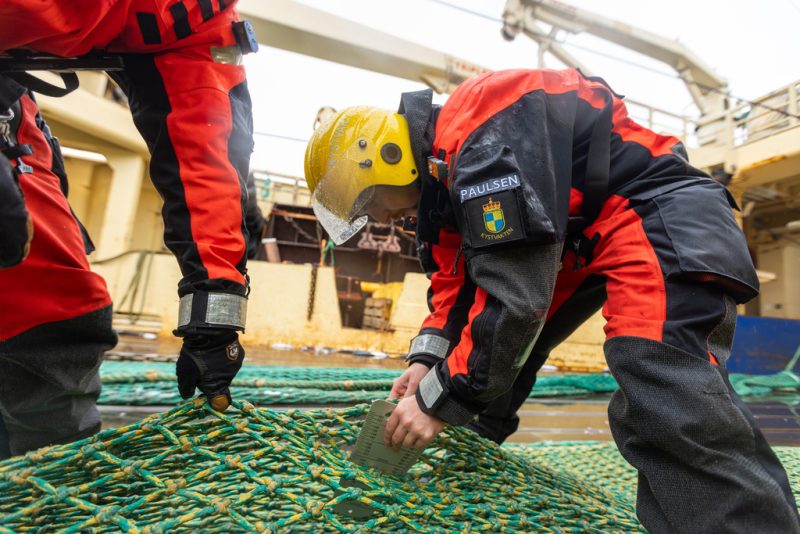
“There have been a lot of rumours in the business,” Øystein Hage told NRK, including suspicions that not all the fish caught is actually registered. Police have seized and secured catches at several of the receiving stations (called a fiskemottak in Norwegian) that together can be valued at hundreds of millions of kroner.
With concern growing over declining stocks of cod and other white fish in the seas off Norway, fraudulent reporting of the commercial catch can also harm the industry. Harbo-Lervik stressed the economic importance of the industry for future generations, and the need for sustainability.
“We’ve often pointed to the Russians as the big bad wolves” Hage said, “but if this (the police suspicion) is correct, we’re no better than them.” He referred to alleged over-fishing in the seas north of Varanger, adding that the charges now rolling out in Norway can be at least as bad if found to be true.
It can be difficult, though, for prosecutors to prove their suspicions if there’s a lack of evidence. Among fishing industry firms involved in the case is Myre Fiskemottak in Vesterålen, which was taking the investigation seriously and cooperating with police, according to their defense attorney Thomas Skjelbred in the Oslo-based Elden Advokatfirma. Myre officials denied any intentional wrongdoing.
“Their employees are going to work, fish is being taken in and sliced up and customers will receive their deliveries as agreed,” Skjelbred told NRK. He stressed the importance of the fishing business for local communities all along the Norwegian coast.
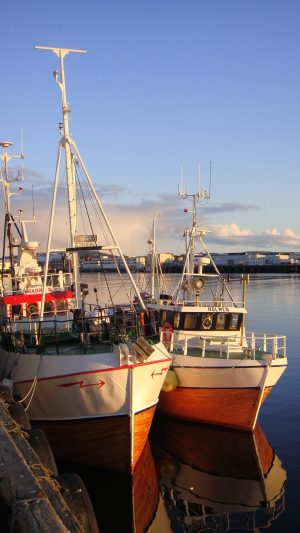
So has prosecutor Harbo-Lervik at Økokrim. “The fishing industry means a lot for jobs and value creation along the coast,” she stated in a press release. “Widespread fishing crime can therefore have consequences both for the business and for the local communities that depend on them. This is crime that can affect many, also the generations coming after us.”
Karianne Moen at the state fisheries directorate agreed. “Knowing how much and what types of fish are caught yields knowledge of how much food we have in the seas for the future,” Moen said.
Industry officials were concerned as well, with Jørn Pedersen at the fisheries’ national organization Sjømat Norge telling NRK that “it’s never positive with such negative cases, but as Økokrim has claimed itself, the seafood industry is important and most operate legally.”
Marianne Sivertsen Næss, the government minister in charge of seafood- and coastal issues, declined direct comment but noted that crime within the fishing industry threatens the entire business. “Norway has one of the world’s best-managed fisheries and I’m most concernd with protecting our resources,” she stated. “It’s therefore important that Økokrim, the police, the fisheries directorate and other authorities cooperate closely to reveal and fight this type of crime.”
NewsinEnglish.no/Nina Berglund
