

Seven cases of bird flu have been confirmed among Norwegian poultry producers, forcing the mass destruction of thousands of hens and chickens. Officials at Norway’s food safety authority (Mattilsynet) launched a string of measures to limit the spread of the disease, both at commercial producers and for those raising birds as a hobby.
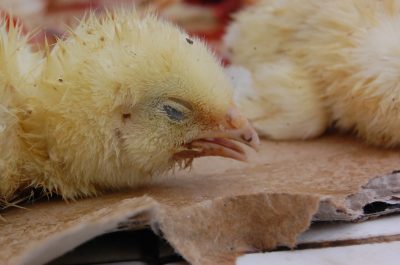
The first signs of bird flu (the highly contagious høypatogen fugleinfluensa that’s deadly for poultry) were detected at a farm at Klepp in Rogaland south of Stavanger. Then came reports of an outbreak over the weekend at a farm in Akershus, just south of Oslo. Around 13,000 egg-laying hens had to be killed in an effort to halt the spread of the disease.
Officials set up a protection zone around the farm located between Son and Vestby with a radius of three kilometers, in an effort to keep the disease from spreading. Farmers were urged to be on the lookout for hens and chickens that die unexpectedly or stop eating, lay fewer eggs and appear weak.
State officials also studied how the disease could have spread, for example through movement of the birds between the two areas. Farmers were asked to immediately halt shipments of live poultry to hinder any further spread of the disease.
By Sunday, five new cases of the virus had been found, four more in Rogaland (at Klepp, Tysvær and Stavanger) and one in Agder farther south, at Vennesla north of Kristiansand. That brought the cases of bird flu virus up to seven, and more hens and chickens had to be slaughtered.
The risk of the virus infecting people is viewed, meanwhile, as very low, and officials stressed that it was still safe to eat chicken and eggs. On Monday came warnings that the virus outbreak, the largest ever in Norway, may lead to a shortage of eggs and chicken. Around 100,000 birds had been slaughtered by Monday night to relieve their suffering and further halt spread of the disease.
“We’re following the situation closely,” Ingunn Midttun Godal, managing director of Mattilsynet, told state broadcaster NRK late Monday, adding that if any shortages do occur, Norway can lift import restrictions.
Godal could also report, though, that inspectors had found connections among the outbreaks of bird flu. “There’s a farmer who has delivered young chickens to six other farms,” she said. “We have now detected infection at his farm and at five of the six farms that obtained young chicks from him.”
That can be “good news amidst the bad news,” Godal said, “because we now know where the virus came from.” Norway’s directorate of agriculture (Landbruksdirektoratet) claimed there “was no cause for alarm” and they viewed the situation as under control.
NewsinEnglish.no/Nina Berglund
