

Popular Norwegian actress Agnes Kittelsen is back in her native Kristiansand this autumn, and getting rave reviews as the main character in one of Henrik Ibsen’s most controversial dramas, Gengangere (Ghosts). Kittelsen says the play is just as relevant today as when it raised a scandal in 1881.
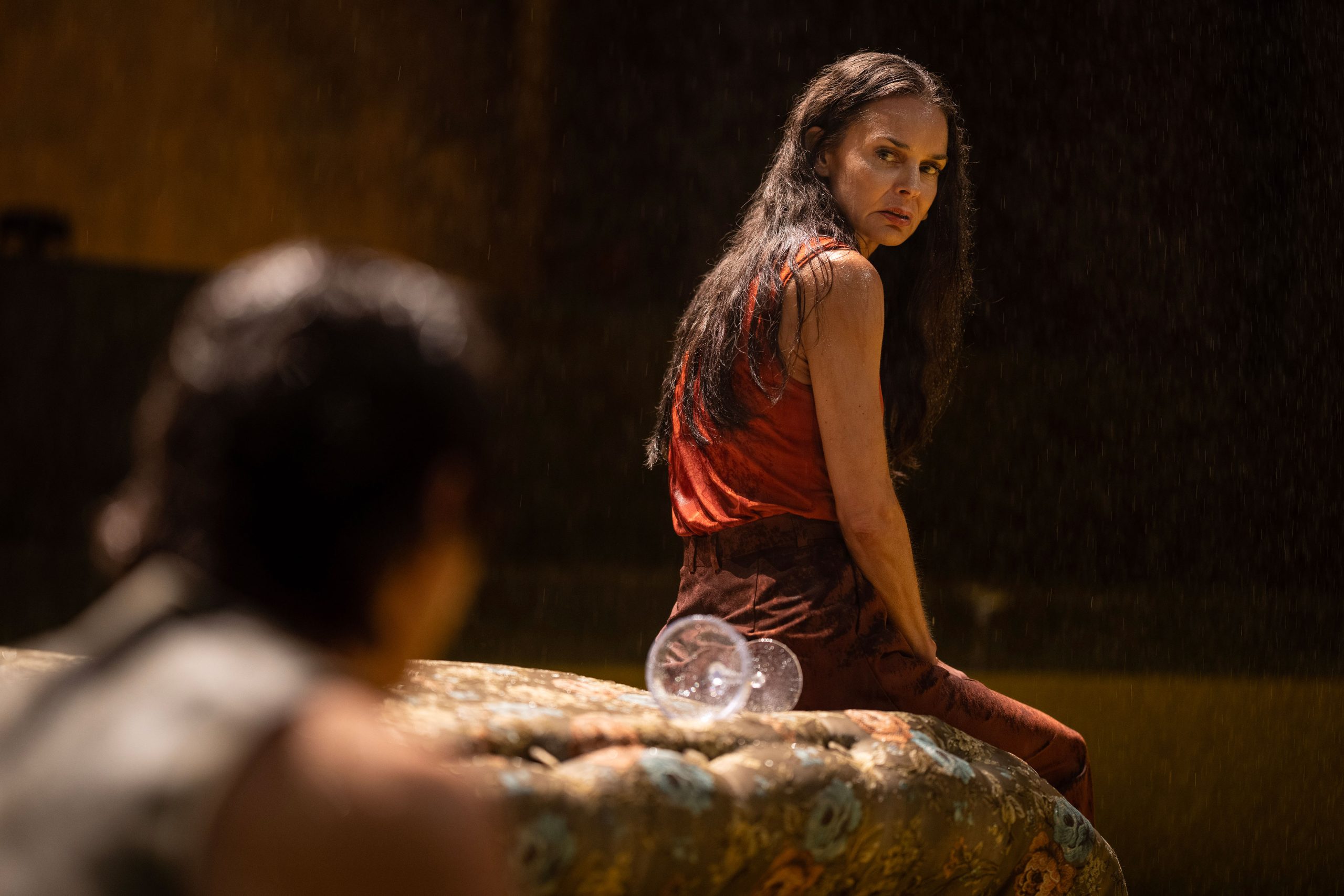
“I belive there are still many women living lives and in marriages that they know, at the bottom of their hearts, are not good for them,” Kittelsen told local newspaper Fædrelandsvennen. “They do it to preserve a facade, fearing what their relatives or neighbours might say if they make different choices.”
The newspaper’s critic called this new version of Ghosts “the best Ibsen production” he has seen at the southern city’s posh Kilden theater, which opened in 2012. The theater “has turned Ibsen’s family drama into a monumental show that both talks to and reaches a modern audience,” wrote Emil Otto Syvertsen. Rolling a six on his critic’s dice, he called the new staging of Ghosts “clean and refreshing.”
It’s Agnes Kittelsen’s first appearance at Kilden, located next door to the popular new Kunstsilo art gallery that’s attracted lots of international attention. The two institutions are at the heart of Kristiansand’s ambition and rising prominence as a national cultural destination. Having the city’s famous daughter grace the stage in a key Ibsen play certainly isn’t bad for business: Ghosts, which runs through October 5, has a limited choice of seats on most nights.
Kittelsen says she had long wanted a role at Kilden, just as she has dreamed of playing the part of Helene Alving, a struggling bourgeois wife who once chose to stay married to her abusive, hard-drinking and notoriously unfaithful husband. He is long dead when the play takes place, but even as a widow, Mrs. Alving does whatever she can to maintain appearances and glorify her husband’s legacy, even funding an orphanage in his name.
Fru Alving, as she’s mostly called in Norway, thus takes a very different path than another strong but desperate woman in Ibsen’s universe: Nora Helmer of A Doll’s House. Nora walks out on her husband and three small children at Christmastime. That unhappy ending caused controversy when published in 1879. Reviews were mixed to say the least, and Ibsen was pressured to write an alternate ending for German audiences.
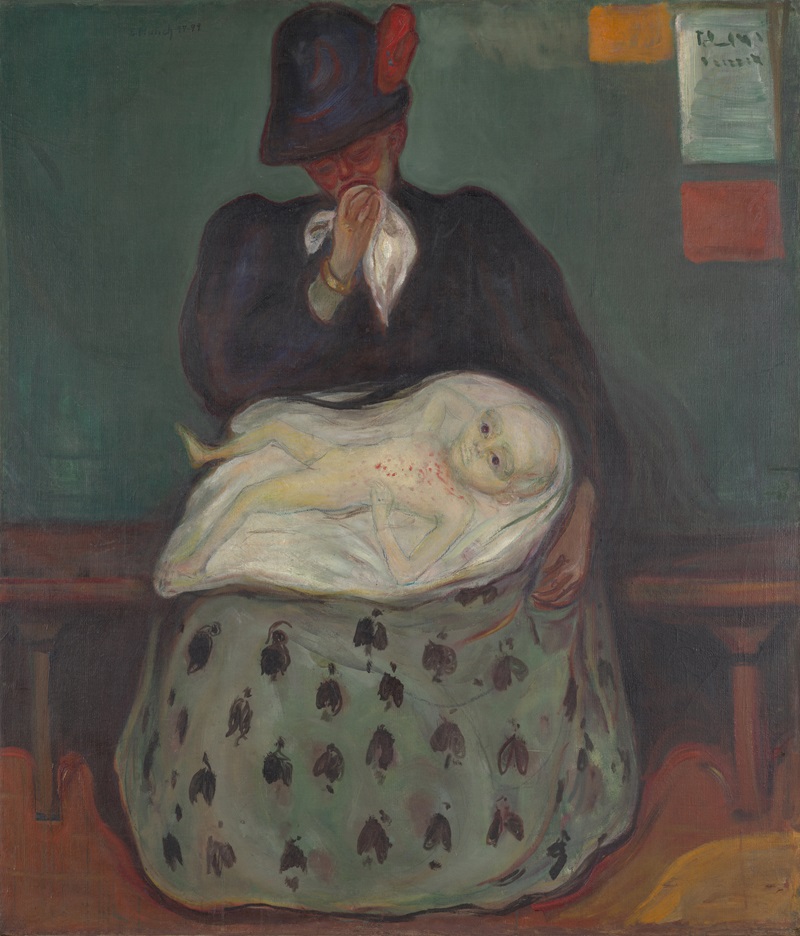
According to Ibsen lore, he wrote Ghosts as a follow-up to suggest what kind of tragedies may strike if a woman opts to not force change in a miserable family situation. For good measure, Ibsen threw in ingredients that were taboo at the time – double standards within the upper classes, infidelity, an incestuous relationship, euthanasia and not least venereal disease. Mrs Alving’s son Osvald actually dies in her arms from syphilis contracted not from his bohemian lifestyle as an artist in Paris, but inherited from his morally corrupt father.
Kittelsen has said in interviews that “Ibsen must have been very angry when he wrote this.” Ibsen’s A Doll’s House had been harshly criticized because Nora left, Kittelsen noted. “Now Ibsen wanted to show what happens if a woman decides to stay in a poor marriage instead,” she told Fædrelandsvennen.
The public reception of Ghosts when published in 1881 was even more toxic than that of A Doll’s House, with bookstores returning the books and theaters refusing to stage it. Ghosts eventually got its world premiere in Chicago in 1882, for an audience of Scandinavian immigrants. But it took almost two more decades before it was finally staged in Norway.
Agnes Kittelsen is no newcomer to Ibsen, seen by many as Norway’s greatest classic playwright. In a 2015 production of Brand at Det Norske Teatret in Oslo, she was another Agnes, married to a fanatic clergyman. Brand is known as a complicated piece for both actors and audiences, and performing it in Det Norske Teatret’s obligatory nynorsk – Norway’s second official language – probably didn’t make things easier for Kittelsen, whose trademark Kristiansand dialect is not nynorsk.
Disastrous fictional marriages are familiar territory for Kittelsen, too. In the Norwegian TV series Exit, which depicted the dizzyingly decadent antics of Norway’s financial elite, her character Hermine Veile is cruelly abused, mentally and physically, by her high-flying husband. He is one of four men who much prefer cocaine, prostitutes and shady business deals to family life. Hermine goes to extraordinary lengths to get her spectacular revenge. Exit was created by Norway’s state broadcaster NRK and ran from 2019 to 2023.
The long line of wives with complicated lives portrayed by Agnes Kittelsen includes wartime resistance figure Tikken Manus, who married World War II saboteur Max Manus. That role in a film about Max Manus earned her the Norwegian Amanda trophy for best female support act in 2009. She also starred as explorer Thor Heyerdahl’s first wife Liv in Kon-Tiki (2012), playing a loyal and supportive wife often overlooked in her husband’s all-consuming quest for adventure and discovery.
Kittelsen, now 45, is also married in real life, to Swedish musician Lars Winnerbäck. The couple has a daughter, and both have a son from previous relationships. They divide their time between Oslo and Stockholm.

Kittelsen left Kristiansand when she was 16, to join a high school in Skien that offered drama classes. She was admitted to Norway’s theater academy at 19, as its youngest student ever. She graduated in 2003 and apparently never looked back.
Kittelsen’s hometown seems to have forgiven her absence. In 2023, she won the city’s culture award for her contributions to Norwegian culture, and for being “an excellent ambassador for her hometown’s dialect, which she uses both on stage and in film. We’re proud to tie an actress of her caliber to our city,” the award jury said.
Kittelsen says Kristiansand has become “totally different” from the town she left as a teenager. “Art and culture have a bigger space now,” she told Fædrelandsvennen. “I’ve seen that myself as a spectator. Without that, there would have been no room for large institutions like Kunstsilo and Kilden.”
NewsinEnglish.no/Morten Møst
