

Air travellers had more reason to be angry on Friday, after all of Oslo-based Norse Atlantic Airways’ aircraft were grounded, flights were cancelled and Norse eventually declared it was filing for bankruptcy. It’s the latest transport chaos to face passengers, who already have filed so many complaints against airlines this year that Norway’s national consumer council has alerted the state transport ministry.
Most of the complaints have to do with flight delays and cancellations, damaged baggage and subsequent financial losses suffered by passengers. Travel insurance doesn’t always help, leaving passengers at the mercy of the airlines that often avoid responsibility.
That’s led to a torrent of complaints filed with Norway’s consumer council Forbrukerrådet, which was also dealing with the Norse groundings (external link, in Norwegian) on Friday. It was advising Norse customers on its website that they normally have a right to be re-booked on another flight to their destination as soon as possible.
In the case of “an acute economic crisis,” however, the consumer council could only warn passengers that past experience indicates airlines can’t or won’t carry out their obligation. Passengers, wrote the council, “to a high degree” must arrange and pay for new tickets to complete their journey. If the airline ends up filing for bankruptcy, holders of unused tickets become creditors of the corporation and “it can be difficult” to get their money back. Travellers who’ve paid with a debit- or credit card can demand a refund, but only for the price of the ticket and not from any other associated expenses such as new tickets or hotels.
The numbers of airline passengers facing serious disruptions tied to airline travel, meawhile, have soared this year. Newspaper Dagens Næringsliv (DN) reported recently that the consumer council is alarmed over how customers have been treated by their airlines. The council claims airlines have begun to reject compensation claims “almost on autopilot,” or refer customers to aviation authorities in an effort to save money.
“We are worried that the airlines speculate that many of their passengers won’t have time or energy to take their claims further,” Mette Fossum of the coincil told DN. The state agency dealing with complaints has received more than 5,000 so far this year, more than double the number received during the same period last year.
That’s prompted the consumer council to alert the government’s transport ministry, and describe how the airlines are in practice outsourcing their own customer service to state authorities. The council charges that this also happens “in cases where consumers’ rights are relatively clear,” and where the airline should have addressed their passengers’ complaints and offered compensation. Officials at both Scandinavian Airlines (SAS) and Norwegian Air told DN that they take customer complaints seriously and take the increase in complaints seriously.
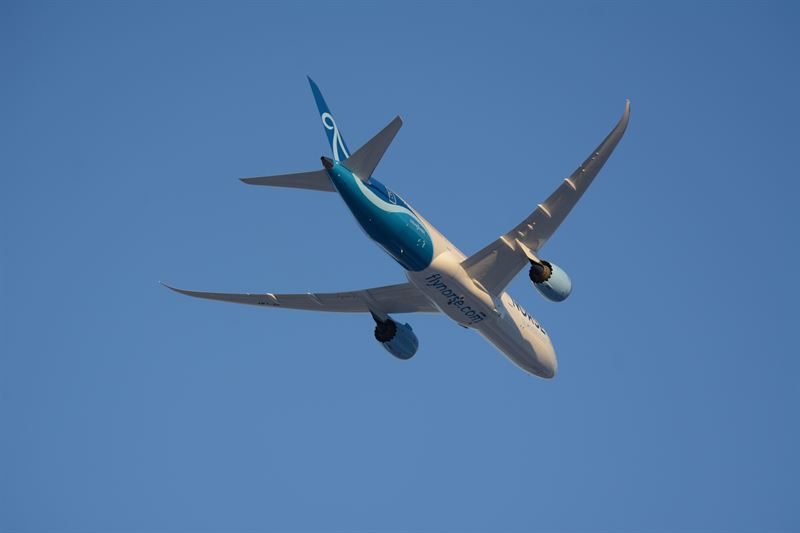
In the Norse Atlantic case rolling out this week, passengers may face further complications because the already financially troubled airline had leased out many of their aircraft to other carriers. Around half of Norse’s fleet of long-haul Boeing 787 Dreamliners were already grounded when those still flying to Bangkok and Phuket, for example, were cancelled this week.

Norse Atlantic was launched in 2021 with its Dreamliner fleet taken over from struggling Norwegian Air at the time. It ran into challenges of its own right away, as it took time for the effects of the pandemic to ease and to find and hang on to long-term investors. Its ever-optimistic founder Bjørn Tore Larsen envisioned mostly long-distance flights between Oslo and the USA, but US President Donald Trump spoiled much of that. Many Norwegians lost interest in traveling to the US, except during the World Cup, and then Trump’s war on Iran sent fuel prices skyrocketing earlier this year.
Larsen hung on to some core investors including Arne Blystad and stayed on as leader of the airline’s board. He hired in Eivind Roald, a former SAS boss in Norway, as chief executive earlier this year. Roald claimed as late as February that Norse could be profitable as an “airline on demand,” with aircraft chartered- or leased out to other carriers. Half of Norse’s fleet of 12 aircraft and crew were leased out to the Indian airline Indigo and Norse’s website was still showing routes from Oslo, Stockholm and London to Thailand, Rome, Athens, Cape Town, New York and Orlando on Friday.
This week, however, came news that Norse’s share price had all but crashed and the company delayed release of its quarterly report on Wednesday. The release was postponed until Monday, but Roald was still predicting a “major” burst of business in December. He also admitted, however, that Norse was in a “critical financial situation” and more money was needed to meet short-term obligations. By the end of the trading day, Norse shares had plummeted by 85 percent, to NOK 0.03, the Oslo Stock Exchange put it on special observation and Norway’s aviation authority was following the situation closely.
On Thursday came reports that companies leasing Norse aircraft had cancelled their contracts, though, and most all remaining flights were cancelled. No departures were listed on the Norse website at all on Friday afternoon, when the company also called a special meeting at 2pm and announced it had filed for bankruptcy.
NewsinEnglish.no/Nina Berglund
