

PHOTO FEATURE: Norwegians were settling into an unusually long holiday period this week that’s likely to extend beyond New Year’s Day for many. It all has to do with how the Christmas and New Year holidays fall in the calendar this year, and Norwegians’ passion for them.
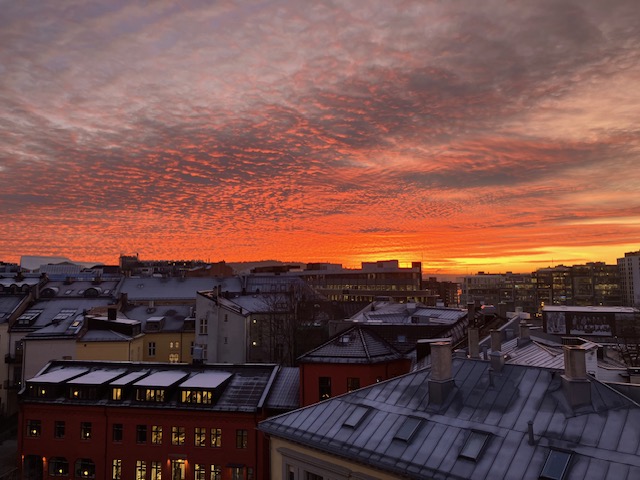
Christmas (Jul, pronounced like “yule”) is huge in Norway, perhaps not as much for its religious significance as for its timing, coming just after the darkest day of the year. That prompted mid-winter celebrations centuries ago that live on today in the form of feativals, concerts, dinner parties that revolve around seasonal food and lavish buffets known as a julebord.
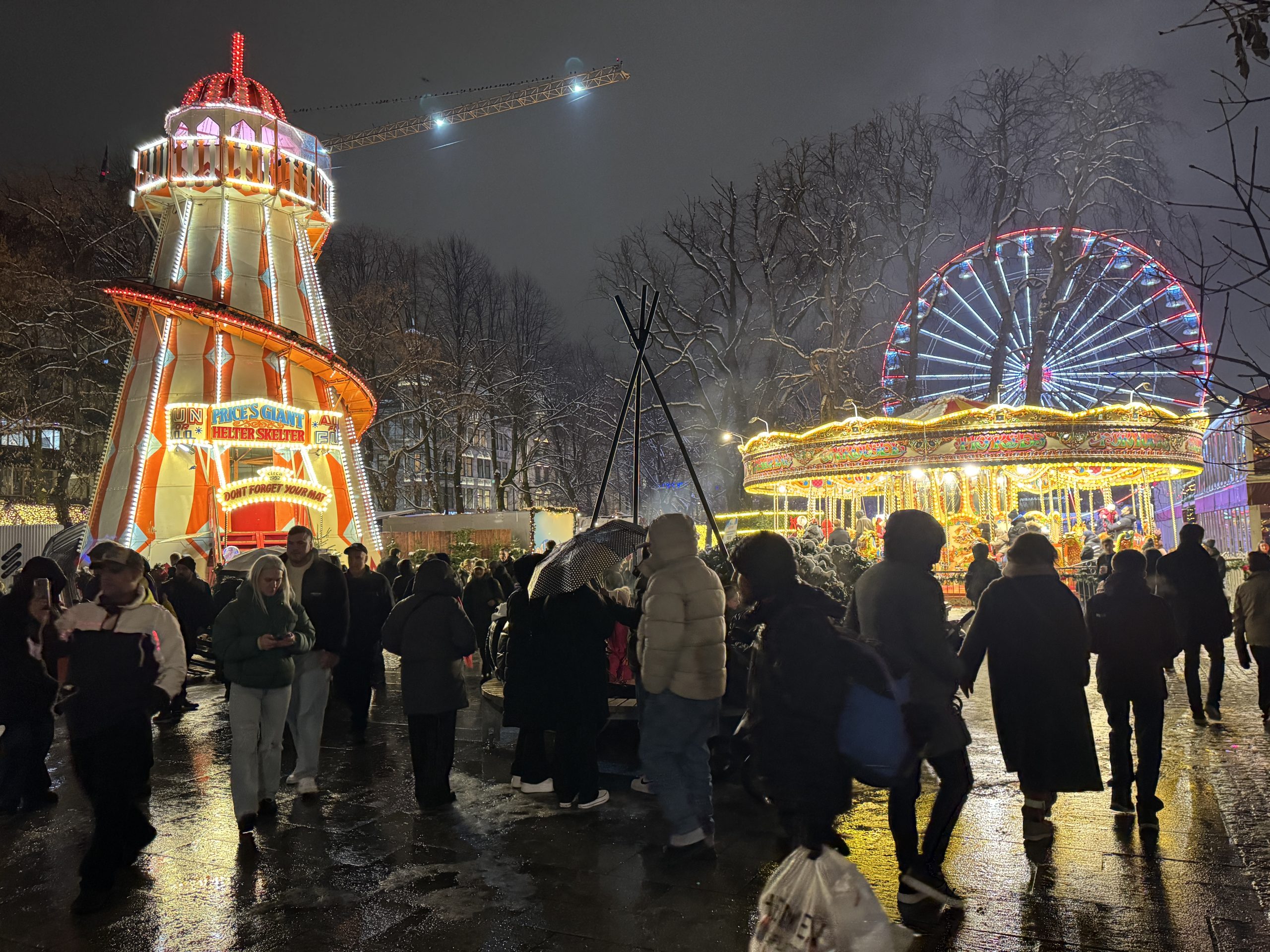
Traditional Christmas markets have expanded beyond food stalls and handicrafts, and now often include amusement parks in addition to outdoor ice skating rinks.
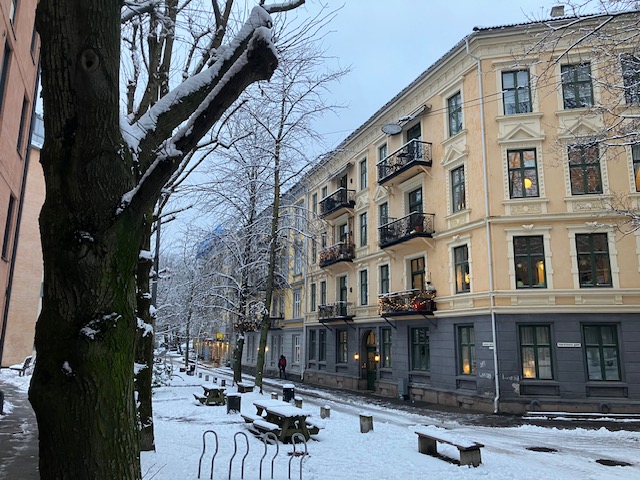 There hasn’t been much snow at low elevations in Southern Norway so far this winter, but it did help some residents of the capital get into the Christmas mood over the weekend. By Monday, known as Lille Julaften (Little Christmas Eve), it had mostly melted away.
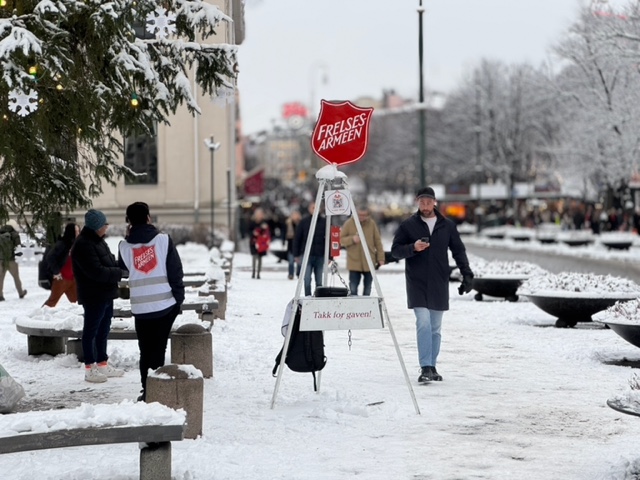 Norway is known as a wealthy country, mostly because of its oil and gas industry, but not everyone has the resources for gift-giving and holiday meals. High interest rates, expensive food and drink and ever-rising prices have hit some families hard, leading to a rise in the need for charitable assistance.
Most, though, will get time off work to celebrate the three-day Christmas holiday this week and New Year’s next week. To all our readers, God Jul!
PHOTOS: NewsinEnglish.no/Morten Møst
