

COMMENTARY: Arts and business, tough guys and women’s lib: There’s more to Halden than most Norwegians ever think about.

“Halden, hmmm,” a friend muttered when told that we were going there for a long weekend culminating on May 17th. “I’ve never been to Halden. It’s kind of a dull small town, isn’t it? With a bit of history?”
Dining in downtown Halden a few days later, the term “dull” would fail badly to describe the action unfolding. It was Wednesday night and time for a weekly Haldenese ritual: A spectacular American car (AmCar) parade by the locally well-known Halden Street and Cruisin’ Club. Chevys, Cadillacs, Oldsmobiles, Buicks and other classics on wheels were noisily cruising Halden’s tidy streets, hour after hour. Some had giant speakers on the roof or in the trunk, nearly drowning out the “bus bass boom” from the infamous “russ vehicles” that are also heard in Halden (like most other places) as May 17th celebrations approach.

Lots of Norwegians would probably say they’ve never been to Halden. What that really means is that they never stop there. Legions of people from the greater Oslo region and southeast Norway actually pass through the municipality of Halden all the time on their way to cheaper shopping in Sweden. But most never get off the freeway. (Disclaimer: This correspondent is not a frequent Halden visitor either).
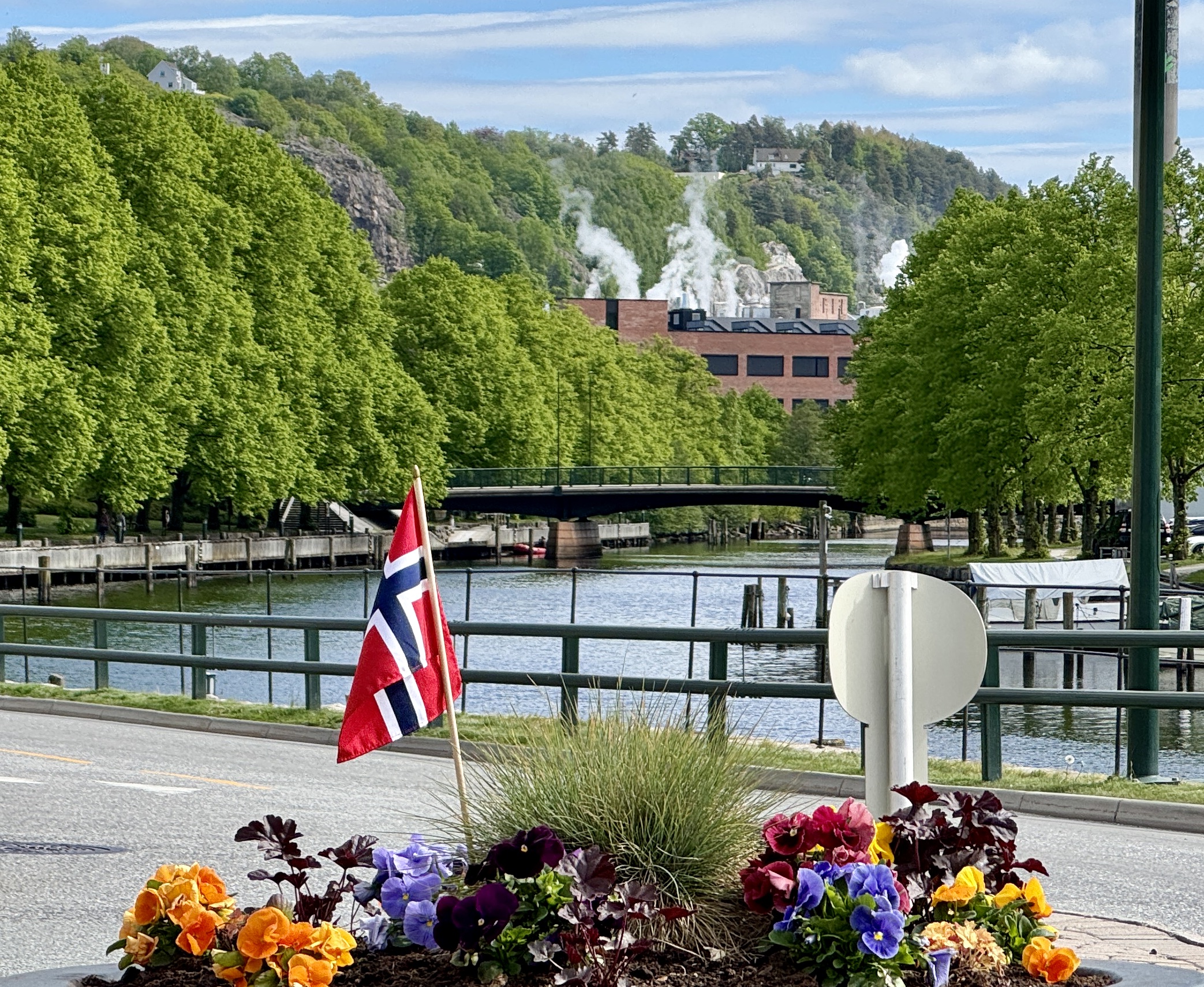
Yet beside the historic war glory Halden is known for nationally, the Haldensere as they’re known have woven many threads in Norway’s fabric. It’s one of Norway’s oldest industrial towns, powered by the river Tista which runs through it and, in its heyday, thriving on shipping and exports via its excellent harbor. Most Norwegians of some maturity may have worn shoes from Halden’s once-flourishing shoe industry, or owned shares in Saugbrugsforeningen, a huge paper factory founded in 1859. It’s is still smokin’ on the riverbanks, now owned by Norske Skog.
And every art buff knows the lovely paintings by Thomas Fearnley, born here in 1802, or the work of architect Arnstein Arneberg, also a Halden son. A prominent Halden daughter was Eva Kolstad, who pioneered government feminism in Norway and the United Nations. She was Norway’s first equal rights ombud. More recent locals of fame include veteran rock musician Henning Kvitnes, pop producer Ole “I’dole” Evenrud plus author-journalists-satirists Knut Nærum (Klassekampen) and Lars Backe Madsen (Dagens Næringsliv).
Halden was also the home of legendary social democrat Arvid Johanson, who represented the county of Østfold in Parliament (Stortinget) through five periods amounting to 20 years. The rest of his adult life he spent mostly as reporter and editor of Halden Arbeiderblad, the local social-democratic newspaper that once had as its motto “Nobody’s master, nobody’s slave.” It’s currently Halden’s only local newspaper. It’s still so fiercely independent that it refuses to join Amedia, owner of most news media supporting Norway’s Labour Party (Arbeiderpartiet).
Labour ruled Halden for decades, but lost its dominance in 2011. Following local elections in 2023, a conservative bloc has called the shots in Halden’s town council and also controls the mayor’s seat with its own Fredrik Holm of Høyre.
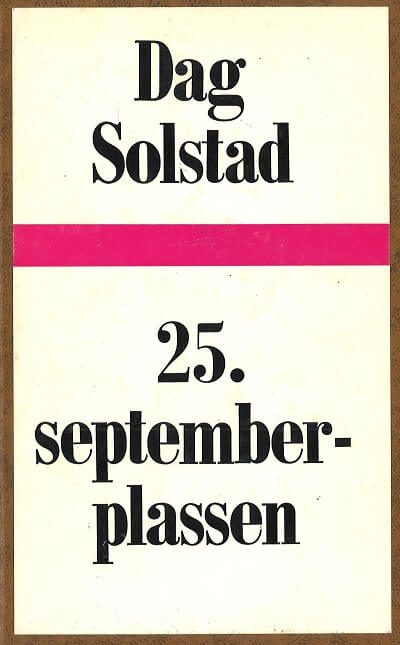
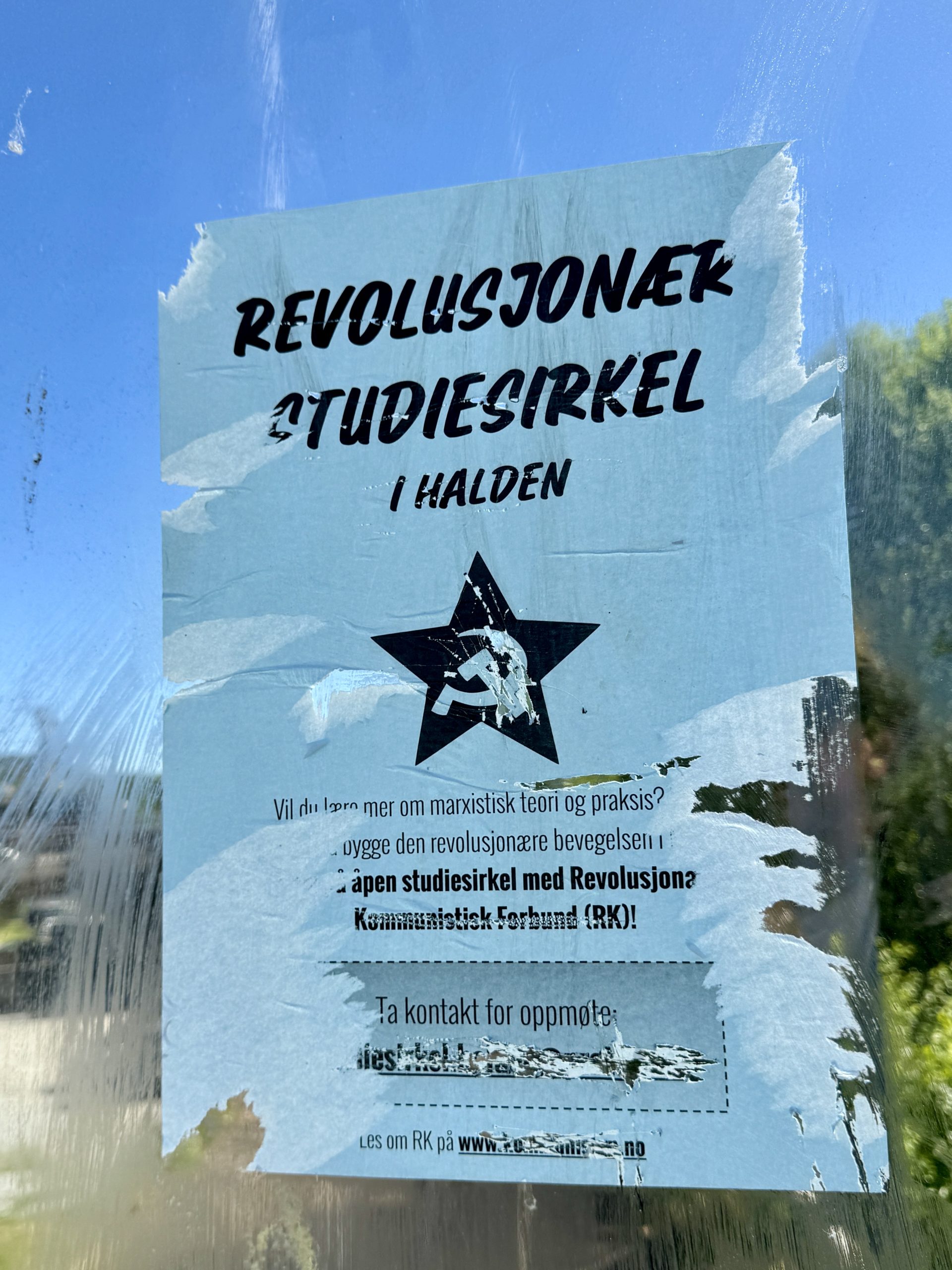
Author Dag Solstad, who died last March, was not born in Halden but he lived here for a while in the 1970s, which saw the noisy birth and modest success of the Maoist AKP (m-l) (Arbeidernes Kommunistparti (marxist-leninistene) of which he was a cherished member. His 1974 novel 25. September-plassen is almost entirely set in Halden, telling the fictional story of shoe factory worker Håkon Nyland and his three sons in the run-up to the 1972 referendum on membership in the European Community (EF), the forerunner to the European Union (EU) of today that Norwegians are still arguing over whether to join. On September 25th 1972 Norwegians voted clearly against joining what’s now the EU, and again in 1994. In the book, Solstad’s working class characters are generously credited for their heroic battle against Europe, capitalism and more, while eagerly building the Maoist party in in the process.
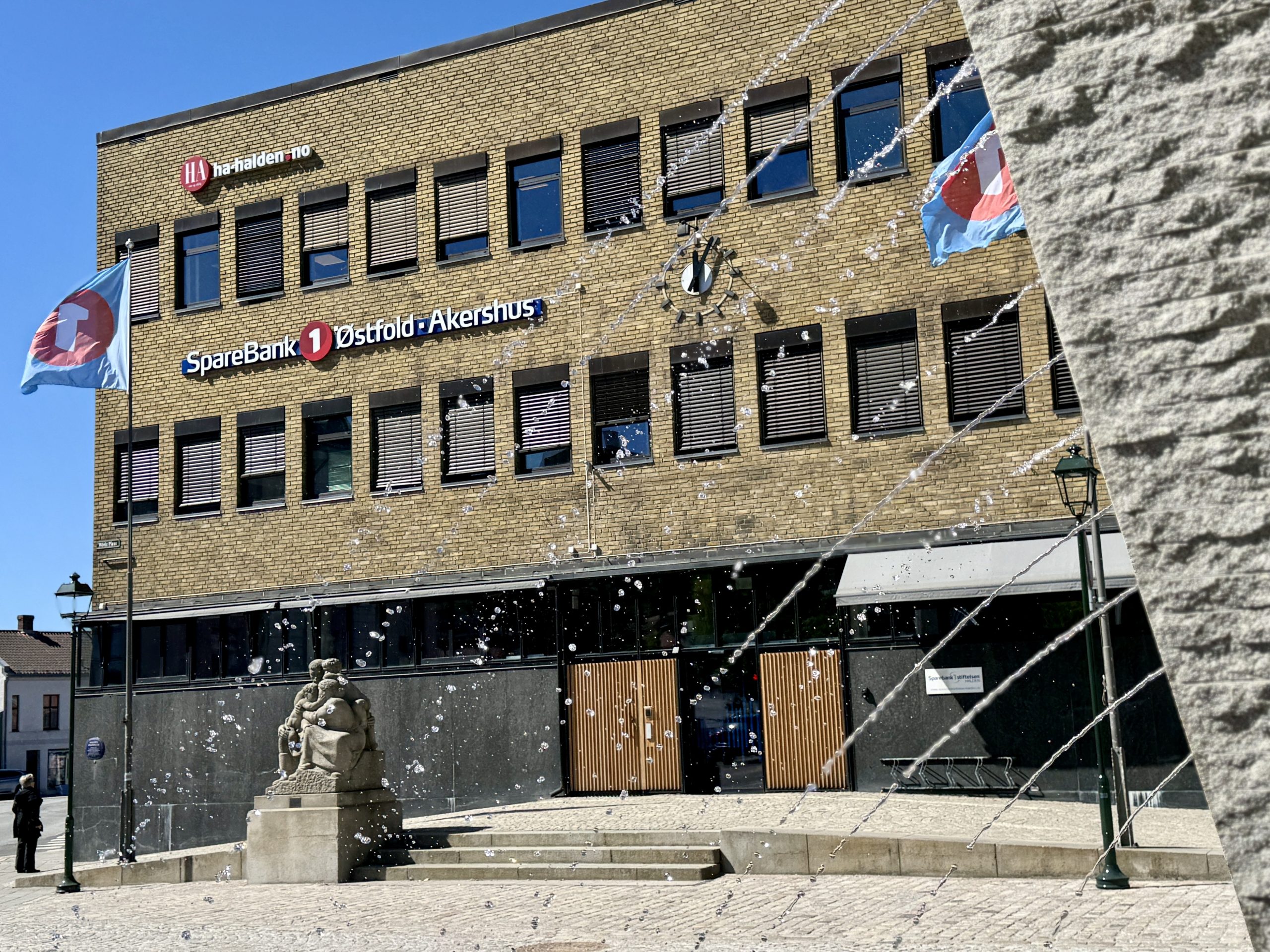
Towards the end, two of them run into each other at Wiels plass, a central plaza in Halden named after Mads Wiel, an important historic businessman. They agree that when Norway is “liberated” or comes under the “proletarian dictatorship” AKP dreamed about, the place will be renamed “The 25th September plaza” to commemorate the victory of the proletariat over the dark forces of capitalism. Hence the title of Solstad’s book.
Some, including Solstad’s publisher Oktober forlag, describe it as one of the most important novels written in Norway in the 1970s. When Solstad died, though, the obituaries rarely mentioned it among Solstad’s key works. And half a century later, Wiel’s plaza has yet to be renamed.
TEXT AND PHOTOS: NewsinEnglish.no/Morten Møst
