

Just as more extreme weather swept over Norway’s west coast last week, a new brochure was landing in Norwegians’ mailboxes. It’s part of further efforts to boost individual preparedness for various disasters, and thereby improve civil defense.
The brochures arrived just before another large allied naval force sailed into the Norwegian capital. It illustrated how defense against military attack has been increased, while the brochures concentrate on individual preparedness for either attacks or natural disasters. The goal is for all Norwegians to be able to take care of themselves for up to a week, if power and water supplies collapse.
“We’re launching updated preparedness advice to the entire population,” said Elisabeth Aarsæther, leader of Norway’s state Directorate for Security and Preparedness DSB (Direktoratet for sikkerhet og beredskap). “This is an important message that we want folks to pay attention to.”
That’s why the brochures were delivered via the Norwegian postal service, often referred to as “snail mail” but physically showing up in all residential mailboxes and able to more easily be kept handy for future reference. “We hope people will take good care of the brochure and think through how they can strengthen their own individual preparedness,” Aarsæther added.
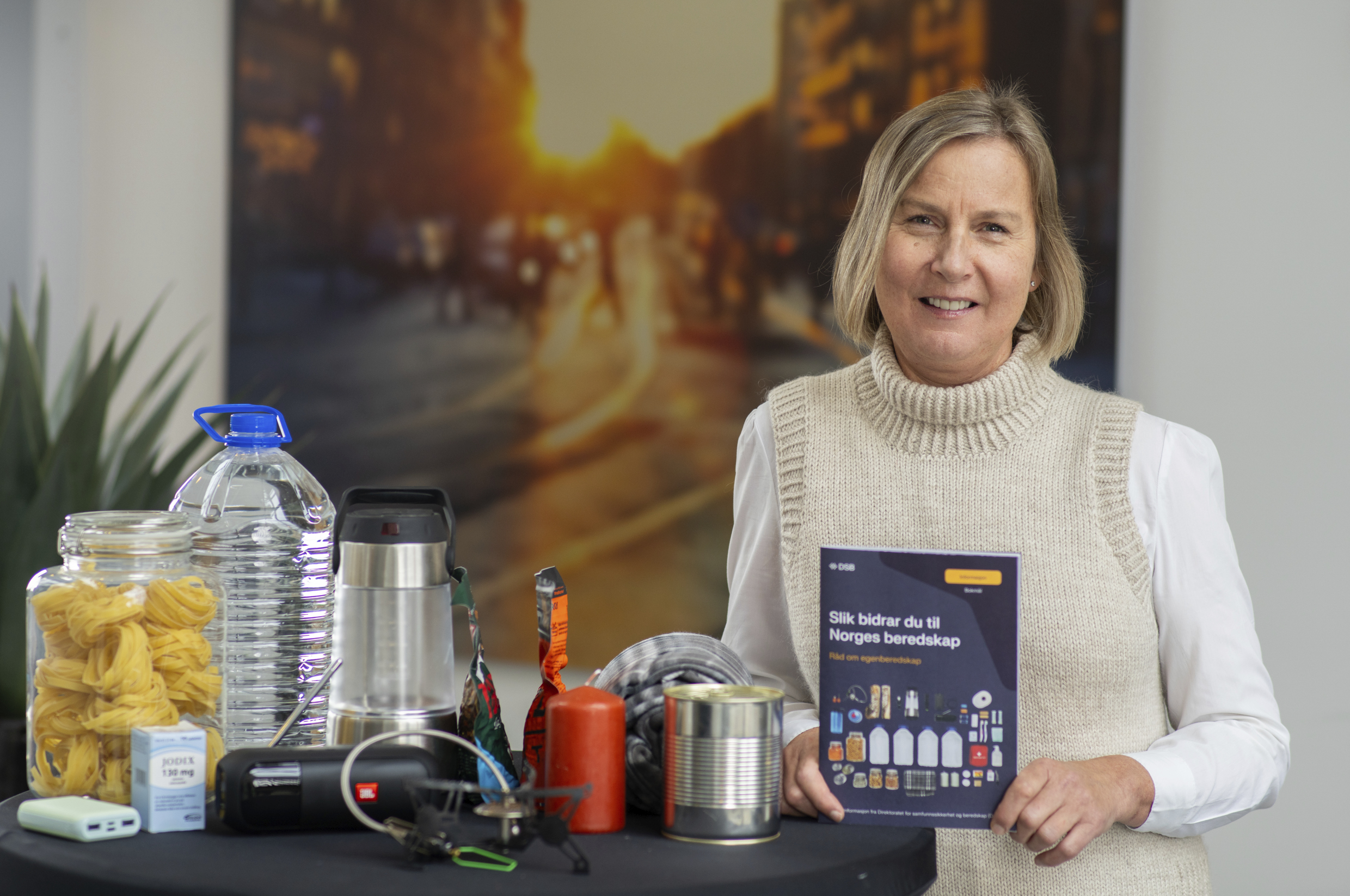
DSB basically poses a series of questions, asking Norwegian residents how they’d be able to handle lengthy power failures and resulting loss of heating and lights. Similar questions are raised about dealing with cuts in water supplies, telephone or internet service.
The state wants everyone to be able to carry on until emergency help can arrive. Russia’s invasion of neighbouring Ukraine shocked Norwegians who also share a border with Russia. The Norwegian government has dramatically increased defense spending, with allied military presence expanding all over the country. At the same time, civil defense and household security must increase, especially given the threats of everything from cyber attacks to major fires, floods and severe storm damage resulting from climate change.
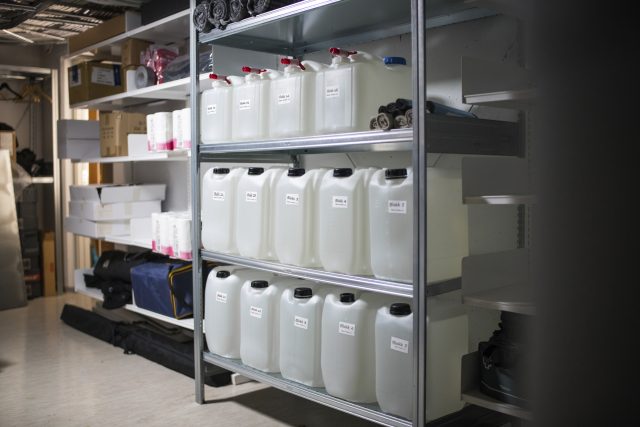
A recent survey conducted for DSB indicates that full 86 percent of Norwegians questioned were aware of the need to be able to carry on for a week if electricity, telecommunications or even water supplies are cut off. That was up from 82 percent last year. Nearly half, 48 percent, of all Norwegian households responded that they also had stored water supplies that could be used if public water supplies are shut down or polluted. That compares to 41 percent last year.
“These are good numbers and it’s good to see that steadily more people store water,” Aarsæther said. “We hope even more will do the same and strengthen their preparedness.”
DSB is also stressing this year how important everyone’s neighbours can be in times of crisis. Homeowner associations and housing cooperatives are urged to stock up jointly, for example, on food and water and modes of preparing it. “We recommend that everyone find a ‘preparedness friend,'” Aarsæther said. “Find out who can use your help, and who can help you.”
The efforts seem to have been well-received so far. “The long-term plans for defense can considerably strengthen our defense capability,” wrote Hedda Langemyr, director of UTSYN, Norway’s center for security and total defense, in newspaper Dagsavisen last week. “But we also need concrete measures to strengthen civilian society’s defense against today’s threats,” Langemyr added. The civilian portion of so-called “total defense” is still the weakest in the face of hybrid warfare, cyber attacks and sabotage against infrastructure.
NewsinEnglish.no/Nina Berglund
