

Norwegian defense forces keep expanding in Norway’s northernmost county of Finnmark, which shares a border with Russia. Now the military is setting up new ground-to-air defense systems in the area to fend off what officials call “wayward” drones.
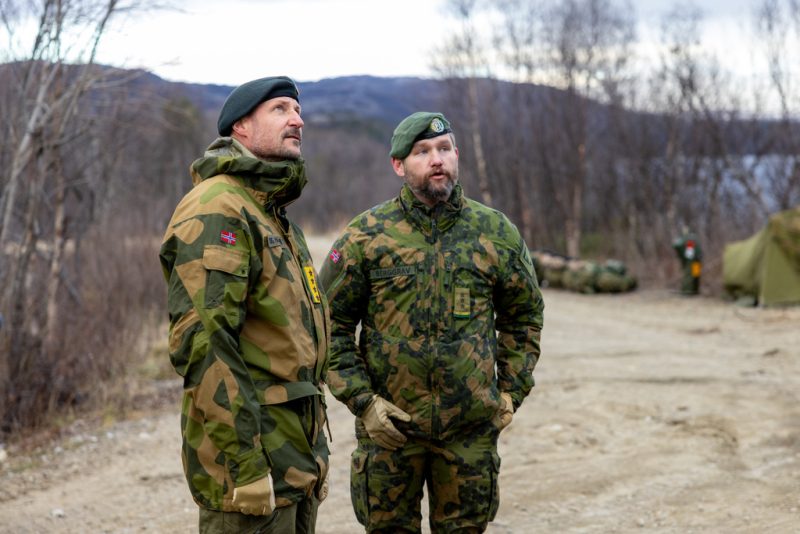
Defense Minister Tore O Sandvik was careful not to accuse Russia of sending any drones towards Norway, stressing instead how “we’ve seen that drones can fly off course. This is something Norway is taking seriously.” New NASAMS-sensors will be placed in Kirkenes, the Norwegian city closest to the Russian border, while the new nearby garrison in the Sør-Varanger region will also be assigned an additional 30 soldiers.
The sensors will discover and warn of drones in the border area, “and give the best possible picture of where they’re moving” in nearby airspace. The extra military personnel can then fan out and take them down. “Experience from Ukraine shows how important it is to have a good overview and get early warnings,” Sandvik said.
Military official stressed on Tuesday that the defense build-up doesn’t come as a response to any new or “concrete” threats. “These are sensors that will strengthen our ability to detect drones in Finnmark,” said Sandvik. “We shall be prepared, even though we don’t see any heightened threats against Norway or the population in Finnmark now.”
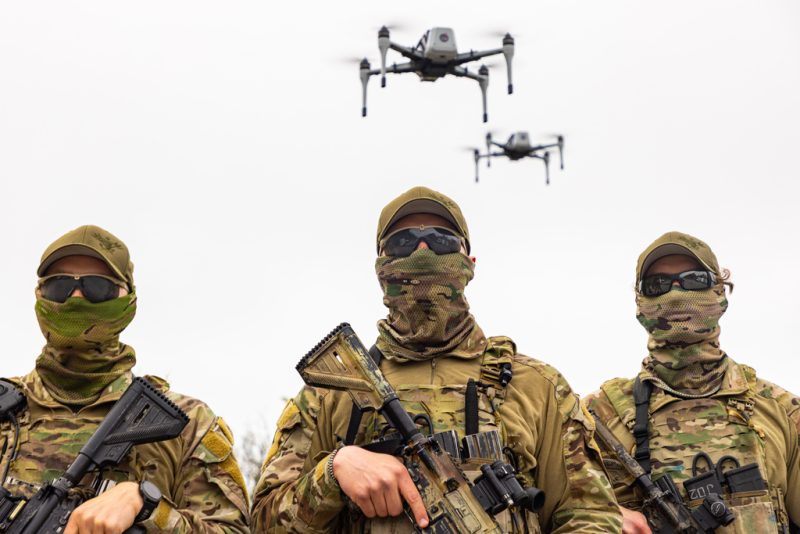
The new drone surveillance comes, however, just after Norway’s domestic intelligence agency PST (Politiets Sikkerhetstjeneste) warned that it expects Norway to be an increasing target of sabotage, after earlier warnings of cyber warfare and espionage. Such threats are already rising in Europe, including this week’s latest rash of sabotage against grocery stores’ refrigeration systems. The attacks have forced stores to throw out tons of food spoiled when freezers were reprogrammed to high temperatures.
On Tuesday there were also reports of bomb threats against European airlines, forcing several flights including one from SAS to make emergency landings for inspection. The entire threat picture has beome “more complex and demanding,” according to Norway’s defense research institute FFI. Norway, like all nations, must become better at protecting itself.
There have also been more threats against energy infrastructure in Europe, just as winter looms, while Russia continues to target heating plants in Ukraine. Norwegian government officials stress the need for what they call “total defense” operations that also actively combine the efforts of military units with civilian police and emergency response services.
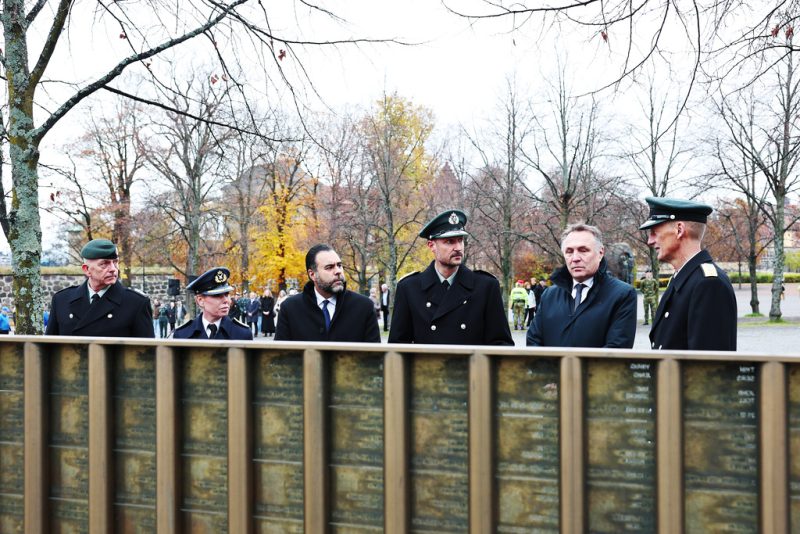
It’s the police, for example, who are responsible for following up and preventing illegal drone operations. The military can step in when asked, and both police and defense forces can impose restrictions in Norwegian air space when needed.
“This is all part of strengthening Norway’s preparedness,” claimed Astri Aas-Hansen, Norway’s justice minister who’s also responsible for preparedness. “Cooperation between the military, the police and others active with total defense is critical when facing more complex and serious challenges.
As the winds of more war in Europe keep blowing, warnings have arisen that Norwegian hospitals remain unprepared. Dr Kristina Stølen Ugelvik, a surgeon and doctor who holds a doctorate degree in Norwegian health care preparedness, notes that Norway has no military hospital and warns that emergency rooms won’t be able to take care of wounded soldiers and civilians if war breaks out. More than 70 percent of the war-wounded in Ukraine suffer from drone explosions, not shootings.
The willingness to build up preparedness is there, among doctors and nurses, Ugelvik told state broadcaster NRK on Tuesday. “The challenge is that (emergency room) personnel lack time and opportunity to become prepared within the budgets they now have.”
NewsinEnglish.no/Nina Berglund
