

Inflation is finally easing in Norway, but rental rates are literally going through the roof. New figures confirm how they’ve risen by 20 percent just in the past two years, and the average rental rate in Oslo is now nearly NOK 19,000 per month.
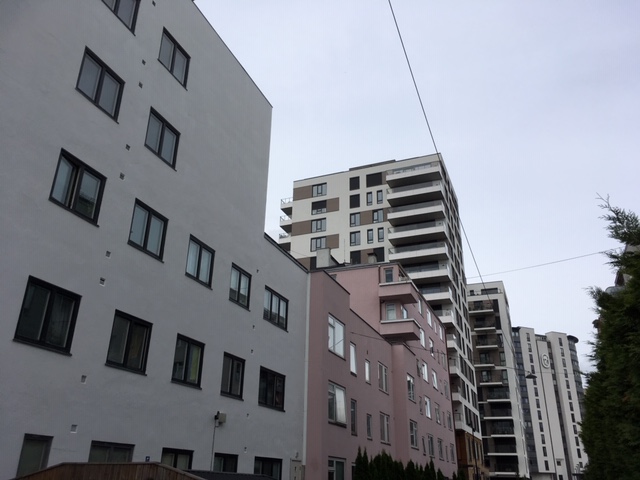
The situation is similar in Bergen and Stavanger, where the average monthly cost of renting a home is nearly NOK 17,000, according to the national real estate organization Eiendom Norge. In Trondheim, the average rate is set at NOK 15,000. Average rental rates nationwide are now NOK 12,487 a month, including those charged in small towns and rural areas where real estate prices are lower.
“Rental rates began to rise rapidly right after the pandemic,” said the organization’s leader Henning Lauridsen when presenting the new third-quarter numbers last week. He said the 20.4 percent rise was higher than in all of the preceding nine years together.
While rental rates were up another 7.4 percent from last year’s third quarter to this year’s, purchase prices for homes have only risen by 2.6 percent. The reason is what’s widely viewed as a sharp reduction in available rental housing. Nearly 6,000 investor-owned apartments have disappeared from the market on a national basis. Oslo alone has lost 14 percent of its so-called “secondary” residential units (second homes often bought to rent out) since 2019, according to the Norwegian real estate brokers’ federation NEF (Norges Eiendomsmeglerforbund).
“The decline is dramatic, and worrisome,” NEF director Carl O Geving told newspaper Dagens Næringsliv (DN) just before the weekend. Like Lauridsen, he’s alarmed by the reduction in the supply of rental units, while demand keeps rising.
That’s behind the sharp rise in rental rates, in addition to higher monthly costs for owners of rental units: Higher energy prices, an ongoing rise in public utility fees for water, sewage and garbage collection and/or increases in homeowner association fees have also prompted landlords to raise their rental rates to cover higher costs.
In some cities that attract lots of tourists, like Tromsø in Northern Norway, rental property owners are also opting to rent units to visitors on a short-term basis at higher rates than they’d get with less turnover.
Another major factor hitting the rental market is the change in state tax rules under the current Labour-Center government. Investors now must pay fortune tax on the full market value of their non-owner-occupied housing, after losing earlier deductions. The higher tax bills have prompted many investors to simply sell their rental units.
Since it’s still expensive to buy a home in Norway, and interest rates are higher than in many other European countries, those needing to rent now face record-high costs. “It’s become so expensive that we’re hearing about renters who have to cut down on meals, or who sit and freeze in their apartments,” Anne-Rita Andal, leader of the renters’ association Leieboerforening, told DN. She thinks the rental market is now under so much pressure that renters feel helpless, nor do many dare to complain to owners of their units over faults: Renters fear that can lead to even higher rent or eviction, since owners know there are many others who’d be willing to take over the unit.
“We now have a perfect storm in the rental market,” Andal told DN. The dynamics of higher taxes and higher rent come also as Norway has needed housing for 72,000 Ukrainian refugees, without having enough public housing to offer.
Geving of NEF thinks steep rental rates have become a social problem: “There comes a point where the rent is so high that it’s in practice impossible to save enough money to buy your own home, and the rental market becomes a poverty trap.”
He’s urging political incentives for investors to buy more housing, including reduction of Norway’s long-controversial fortune tax, which he calls “unreasonably high.” Geving also hopes interest rates will fall soon. The central bank had hinted at an interest rate reduction this autumn, but economists don’t expect one until 2025.
NewsinEnglish.no/Nina Berglund
