

Defense of the Arctic is nothing new for Norway, which has been NATO’s “eyes and ears” against Russian threats since 1949 and has long coordinated NATO allies. A large Norwegian delegation at the World Economic Forum in Davos this week stressed how that remains top priority, while Norway continues to support Denmark’s sovereignty and tries to remind all fellow allies that Russia is still the biggest threat despite those coming from US President Donald Trump.
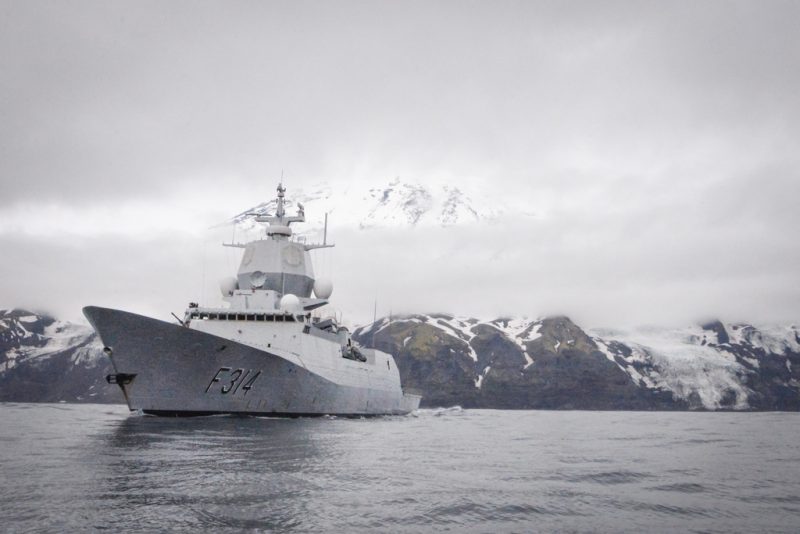
The reminder about Russia has been viewed as necessary among top Norwegian officials after Trump suddenly lodged threats of his own against Denmark, and threw NATO into what security analysts widely view as its biggest crisis ever. Trump had threatened the sovereignty of Denmark and Greenland, both of which are part of the Kingdom of Denmark along with the Færoe Islands. And then he threatened Norway’s prime minister and the country itself as well.
The crisis seemed to ease late Wednesday, when Trump claimed in a lengthy speech at the World Economic Forum in Davos that he wouldn’t resort to military force to take over Greenland. He went on, though, to state that he would immediately try to buy Greenland and seemed to threaten NATO once again.
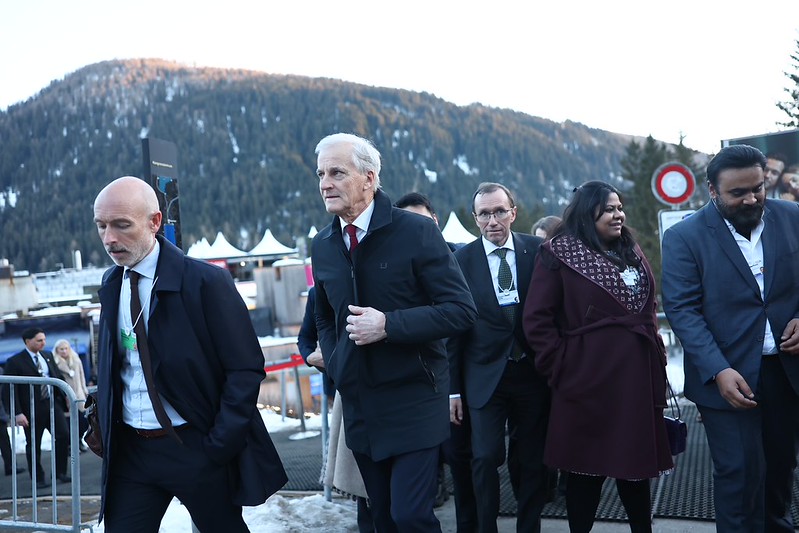
Norwegian Prime Minister Jonas Gahr Støre is in Davos with a large delegation of government and business executives. He was back on national radio in Norway early Thursday morning, claiming that for Trump to make such threats was “unheard of.” Støre said that also applied to Trump’s threat of punitive tariffs against all the NATO countries that support Denmark.
Støre noted on state broadcaster NRK’s popular morning talk show Politisk kvarter that Trump had since backed off from both the threats to sovereignty and tariffs, but noted that Trump still “seems obsessed with Greenland.” Støre stated, once again, that it was “unacceptable” to threaten a NATO ally and warned of how unpredictable Trump can be. “With Trump things can come and go,” said Støre.
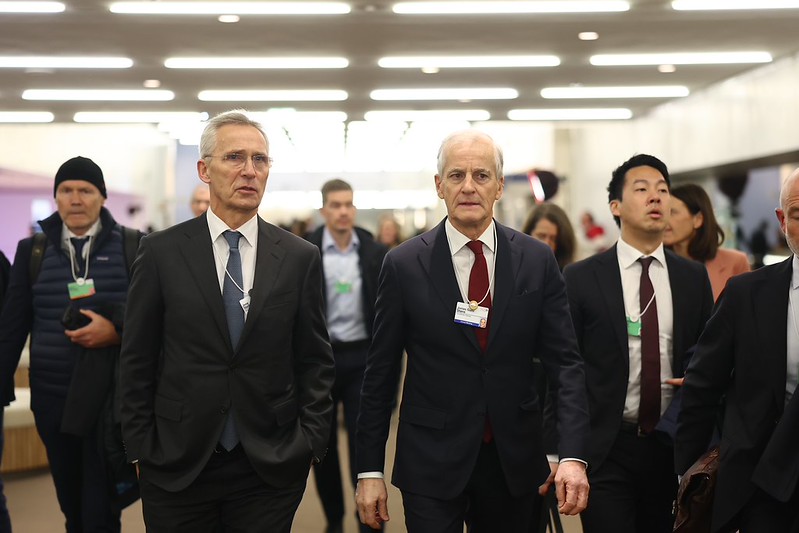
It later emerged that Trump and NATO Secretary General Mark Rutte had come to some form of agreements regarding what Trump called “the framework” for a “future agreement” regarding both “Greenland and the entire Arctic region.” That set off new concerns, with Denmark’s Prime Minister Mette Frederiksen saying on Thursday that Rutte had no authority to speak on Denmark’s behalf.
Rutte tried to calm things down by saying there was “still a lot of work” to do on the “framework for an agreement” with Trump that would prevent both “the Chinese and the Russians” from gaining any military- or economic access to Greenland. Norway’s Støre said he also had spoken with Rutte, but when asked whether he wanted to meet with Trump again as well, Støre replied “nei, egentlig ikke” (“not really”).
“I am most concerned with the fact that those of us (NATO allies) in the Nordic region stand behind Denmark, to defend the principle that borders shall be respected and not be put under pressure by fellow allies,” Støre said on NRK. He said new talks between Denmark and the US will get underway.
Meanwhile, back in Oslo, Støre’s defense minister Tore O Sandvik had hinted at much the same during a meeting with the Foreign Press Association in Norway. He led off by immediately admitting that “the situation in NATO is difficult … and we of course support Denmark” in its demand that the US respect its sovereignty over Greenland.
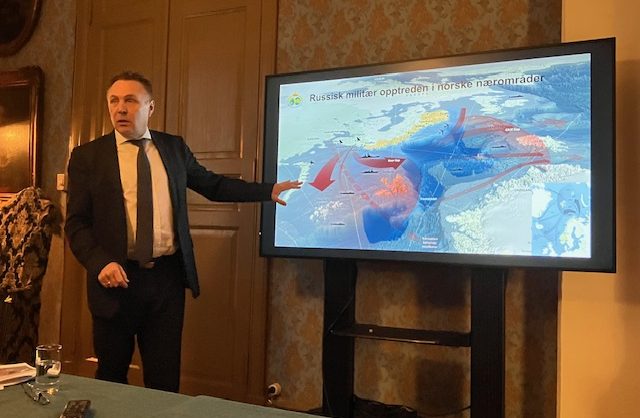
“We’ve always thought that NATO should have more forces in the north, and we know the Russians are there,” Sandvik said. He added that they’ve become “more active in the north” in recent years. Norway has also long been aware of how climate change is opening up new shipping routes above Russia that can be used by Chinese ships, how Russian military forces train in the Barents and, more recently, how Russia has been running its so-called “shadow fleet” of old tankers and cargo ships in an effort to avoid sanctions on Russian oil and other exports.
“We share the NATO and US view,” Sandvik said, but stressed how Norway’s own strategic position in the area with its long coastline already offers a major advantage to NATO. The Norwegian Navy has been working actively for years in following Russian submarine movements, patrolling the North-, Norwegian- and Barents Seas and monitoring Russian activity at sea and in the air. “And our allies are showing up more more often than ever,” Sandvik stressed.
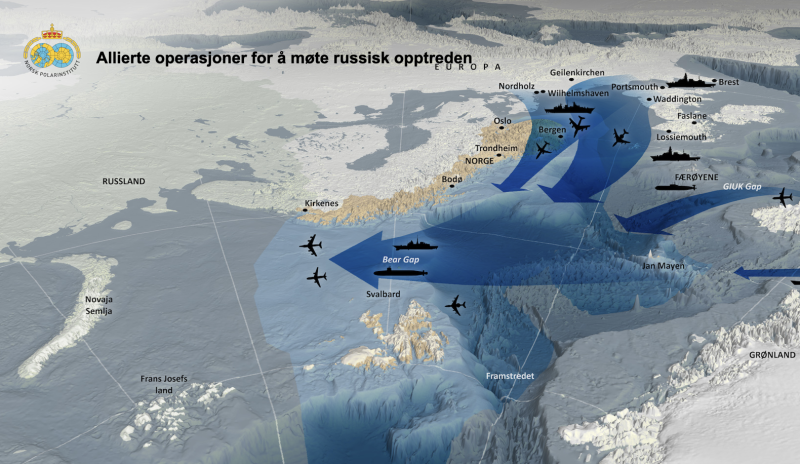
Sandvik said Germany has been more active in the Arctic, he stressed the importance of new naval cooperation with the UK and noted how thousands of NATO soldiers will be showing up soon for annual NATO winter exercises in the Arctic. He could cite numerous examples of how Norway and NATO allies already have a close eye on the Arctic areas, not least with help from the US Navy and Canada.
That raises questions about why Trump is suddenly so critical and thinks “only the US” can defend Greenland and the Arctic. NATO has been there for years already, it’s Russia that remains the enemy and efforts have been underway for years to meet new Russian threats, especially if Russia is allowed to take over major parts of Ukraine. That can encourage Russian President Vladimir Putin to turn his attention to other neighbouring countries and step up activity in the Arctic. “That’s also why we still must help Ukraine,” Sandvik said.
“We want to avoid escalation and we’re investing heavily in that,” Sandvik said. He wouldn’t say whether Norway plans to send more soldiers to Greenland but noted how Norway has already taken part in military exercises there. He insisted that NATO’s chief Rutte “wants to keep NATO together” and that he thinks Rutte has done a good job despite criticism that Rutte fears offending Trump.
Asked for own impression of how top NATO military officers view Trump’s latest grab for Greenland and his threats to allies, Sandvik would only smile and say “they are very professional.” He thinks NATO is still strong and that perhaps the best message to the US is that “the best defense is having good allies.”
NewsinEnglish.no/Nina Berglund
