

The Norwegian krone has been getting much stronger against the world’s most important currencies. On Wednesday it was up 7.8 percent against the US dollar since New Year, and that may fend off a series of interest rate hikes.
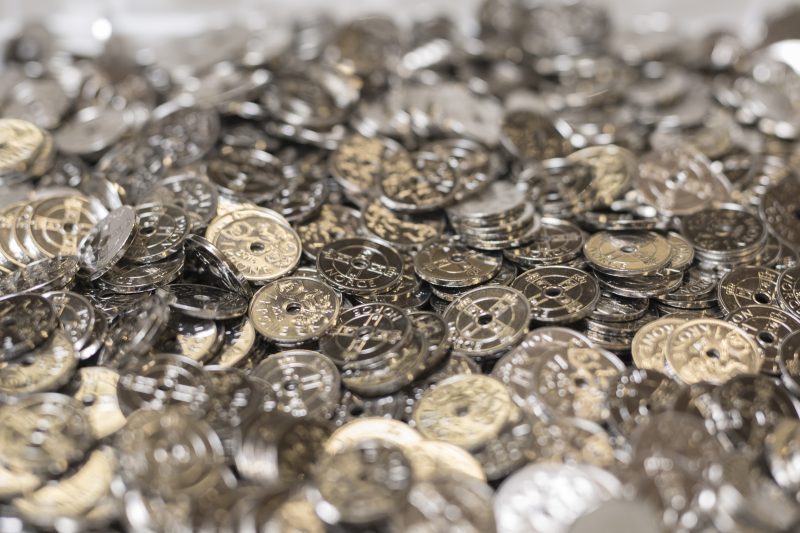
By late afternoon a US dollar cost NOK 9.29 and a euro cost NOK 10.87. Norwegian media outlets were crowing that a Swedish krone now costs the same as the Norwegian, and that hasn’t happened since November 2024.
Analysts link the stronger Norwegian krone to the strength of Norway’s oil industry, which has pumped up the economy for years. With oil prices soaring since the US and Israel attacked Iran and cut off oil shipments from the Persian Gulf, the krone is strengthening on the higher value of Norway’s most important export.
“This is positive for the Norwegian economy and therefore also for the krone,” Dane Cekov, a strategist for SB1 Markets told Norwegian Broadcasting (NRK). He cautioned, though, that high energy prices are also tough on consumers. They nonetheless boost the currencies of oil producers and are negative for energy importers like Sweden and most of the rest of Europe.
It may be another case of how Norway often profits on war and other factors that boost the price of its oil. The stronger krone may, however, weaken the country’s tourist industry that’s otherwise been booming. Visitors have been flocking to Norway in recent years since their stronger dollars, Japanese yen or British pounds made Norway’s generally high prices easier to swallow. Now they’ll likely find them more onerous.
For Norwegians, hopes were rising that their country’s stronger currency may prompt the central bank (Norges Bank) to re-think an expected series of interest rate hikes. Several economists have been speculating that the bank’s monetary policy committee will boost interest rates in order to cool spending and lower inflation.
Handelsbanken released a report this week that predicted two interest rate hikes this year, bringing Norway’s key policy rate back up to 4.5 percent. Marius Gonsholt Hov, chief economist at Handelsbanken, told newspaper Dagens Næringsliv (DN) earlier this week that rates would likely rise “because we have an inflation problem.” He even predicted the first quarter-point interest rate hike would come “before summer.”
That may still happen, notes Cekov, but he doesn’t think the central bank is as “stressed” now as it has been this winter. He also expects an interest rate hike in May or June, but a stronger krone may do the rest of the job in tackling inflation.
NewsinEnglish.no/Nina Berglund
