

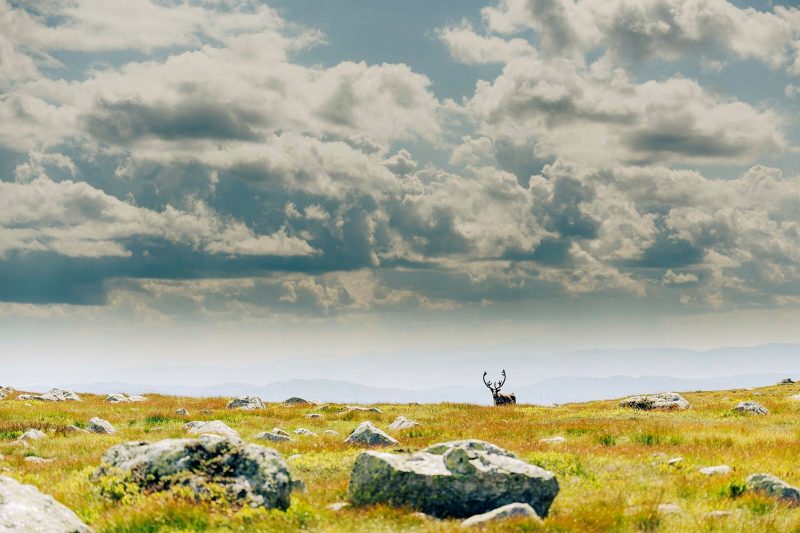
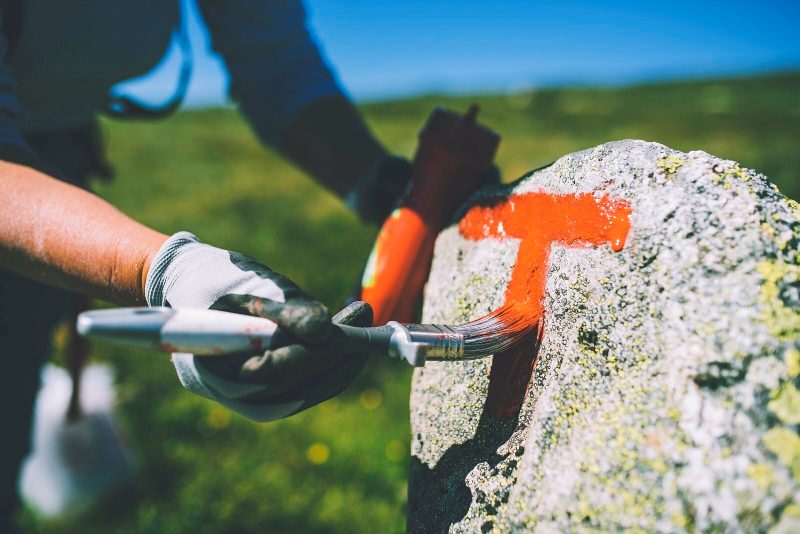
Norway’s national trekking association DNT (Den Norske Turistforening) is being forced to close more of its mountain cabins and lodges and remove markers from as much as 400 kilometers of trails. It’s all part of the latest measures meant to preserve the country’s unique population of wild reindeer.
DNT had resisted many of the new restrictions that run counter to DNT’s main goal of keeping Norwegian nature open and accessible to the public. At the same time, however, DNT officials acknowledge Norway’s international responsibillty “to take care of the wild reindeer,” said Trude Iversen, acting leader of DNT’s regional unit for Bergen and Hordaland. “It’s important that we contribute to that effort.”
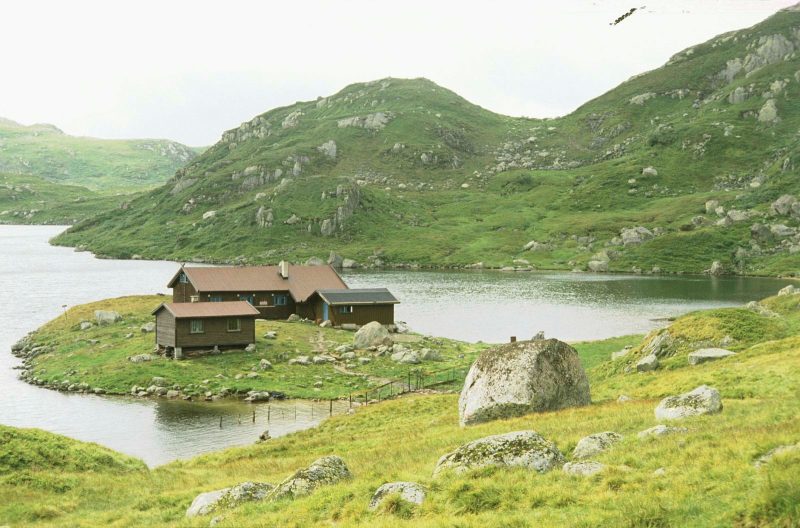
The latest round of restrictions were pushed through by the Norwegian government’s ministry in charge of climate and the environment. It insisted that the popular and relatively new Hadlaskard mountain lodge in Hardanger be shut down by 2030, possibly after this summer’s hiking season. “We don’t know yet when exactly it will have to close,” Iversen said. “We need some time, there’s a lot that must be done before it can be closed.”
Six other cabins and lodges, called hytter in Norwegian, will also close, including two others on the vast mountain plain known as Hardangervidda, Lågaros and Torehytten, three in Ryfylke (Storsteinen, Grasdalen and Eidavatn) and Øyuvsbu in Setesdal. The roughly 400 kilometers of trails to be closed are spread over Hardangervidda, Ryfylke, Setesdal, Rondane and Dovrefjell
Several other DNT hytter will only be open from the end of June to mid-September and during the Easter holidays and the two weeks following them. The Litlos hytte in Hardanger will be converted to self-service operation, while the Hellevassbu hytte will be closed during summer.
Iversen called it a “paradox” that while DNT must close several of its popular hytter, other privately owned hytte projects in wild reindeer territory have so far been allowed to continue. “It’s important that everyone involved understands what’s at stake here,” Iversen said. “Local governments, the state, business, tourism and land owners must all contribute and do what they can to save the wild reindeer.” She thinks commercial hytte developments located in areas where the reindeer roam should be halted.
Concern about the reindeer habitat has been growing for years. The goal is to move the roaming animals back to the old trails they followed before they strayed because of human interference. “The wild reindeer on Hardangervidda have been under pressure from steadily more human activity,” said Climate- and Environment Minister Andreas Bjelland Eriksen in a prepared statement. “Roads, trails, cabins and motorized transport hold reindeer back from areas important for them.” Those roaming in the Nordfjella and Hardanger areas have also been threatened by disease and even thunder and lightning storms.
The wild reindeer in Norway are among the last found on the European continent, making the national government responsible for protecting them. Local governments keen on developing their tax base, however, have often seemed to overlook the reindeer’s best interests as they moved forward with new hytte developments.
Eriksen claimed his ministry has put “great effort” into involving local governments and others in the reindeer preservation plans. “There’s widespread agreement on taking care of the wild reindeer on Hardangervidda,” he said. “At the same time, that’s not the only program and I have great understanding that there are other interests that can be affected by the new plan.”
Eriksen’s failure to be tougher with local municipalities upsets the DNT chief Inger Lise Blyverket, who claims they’re often working against each other. “The government has been clear that motorized transport in the mountains must be reduced,” she said, “but the parliament just approved even more such transport.”
Hikers, meanwhile, are urged to follow trails that remain marked, avoid contact with reindeer, use binoculars to be able to see reindeer from a distance and keep their distance from the animals. They also must have full control over any dogs accompanying them on the hike and keep them on a leash.
NewsinEnglish.no/Nina Berglund
