

It’s being called everything from “embarrassing and tragic” to simply “very serious” for Norway’s foreign- and foreign aid ministries: All their top political leaders over the past 20 years were being questioned by the Norwegian Parliament’s disciplinary committee this week. At issue are their roles in their long-time financial support of a peace institute in New York that had close ties to the late convicted sex offender Jeffrey Epstein.
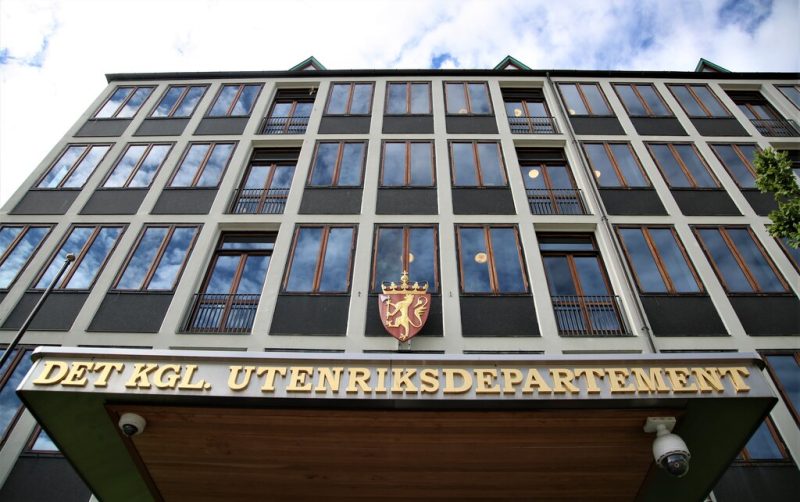
The International Peace Institute (IPI) was run by Terje Rød-Larsen, a former Norwegian diplomat and, for 35 days in 1996, a planning minister in Thorbjørn Jagland’s new Labour Party government. Rød-Larsen had to quickly resign the ministry post after he got in trouble over a seafood project’s bankruptcy on which he’d profited, but he’d earlier become internationally well-known along with his diplomat wife, Mona Juul. Together they had received most of the credit for negotiating the Oslo Agreement between the Palestinians and Israel in the early 1990s. It was intitially acclaimed, later collapsed and is now viewed as having been “overblown” by some critics.
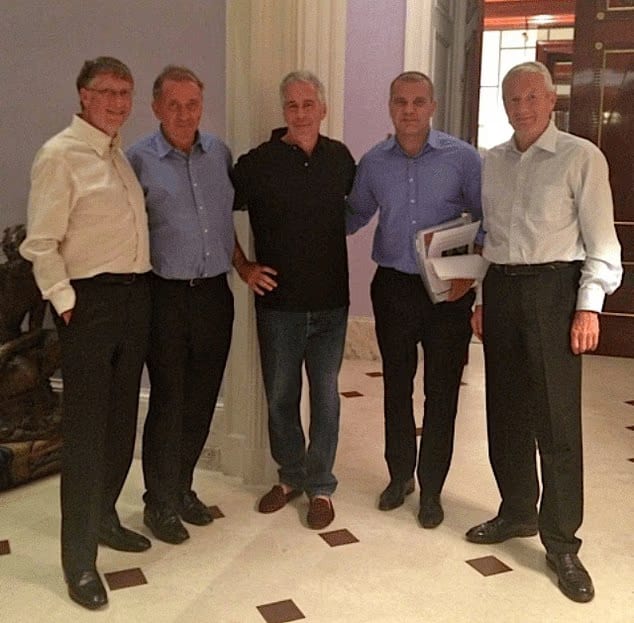
Juul, a former Norwegian ambassador to the United Nations, is now under police investigation for serious corruption, as is Jagland, a former prime minister and leader of both the Norwegian Nobel Committee and the Council of Europe. Rød-Larsen is charged as an accessory to serious corruption tied to all their dealings with the wealthy Epstein, who also helped fund IPI.
While police investigate their activities, and an independent commission appointed by the parliament (Stortinget) probes connections between Norwegian officials and Epstein, Stortinget itself wanted to hold hearings of its own. At issue is what its disciplinary committee calls “control and culture” within Norway’s foreign ministry, and whether there has been a questionable culture of camaraderie over the years.
“This is going to be uncomfortable,” committee leader Jonas Andersen Sayed, a Member of Parliament for the Christian Democrats’ party, told newspaper Aftenposten before the hearings began on Wednesday, “but we’re doing this to restore confidence.” The police investigation is expected to take time and the parliament’s independent commission won’t deliver its conclusions on Epstein’s ties to Norwegian officials until 2028. That was too long to wait, according to Sayed, for some immediate response from those who’ve led the foreign ministry and the Norwegian ministry in charge of foreign aid over the past 20 years.
First out on Wednesday was Erik Solheim, a former leader of Norway’s Socialist Left party SV who was minister in charge of foreign aid in Labour-led coalition governments from 2005 to 2012. Solheim, now age 71 and a paid consultant and speaker who’s become an advocate of China’s climate measures, was highly critical of the hearings themselves.
“All my experience with such hearings is that folks in the foreign ministry will be scared” of making any mistakes, Solheim told newspaper Dagens Næringsliv (DN), which first revealed ties between Norwegian officials and Epstein. Solheim fears there will now be “more bureaucracy, less peace, and Norwegian interests will be hurt.” He claimed much the same at Wednesday’s hearing in Oslo, also urging “more, not less” diplomacy tied to peace efforts.
Sayed, meanwhile, defends the hearings and was careful to note that this week’s hearings, which continued on Thursday just before the new parliamentary session opens on Friday, won’t interfere with either the commission’s or police investigations.
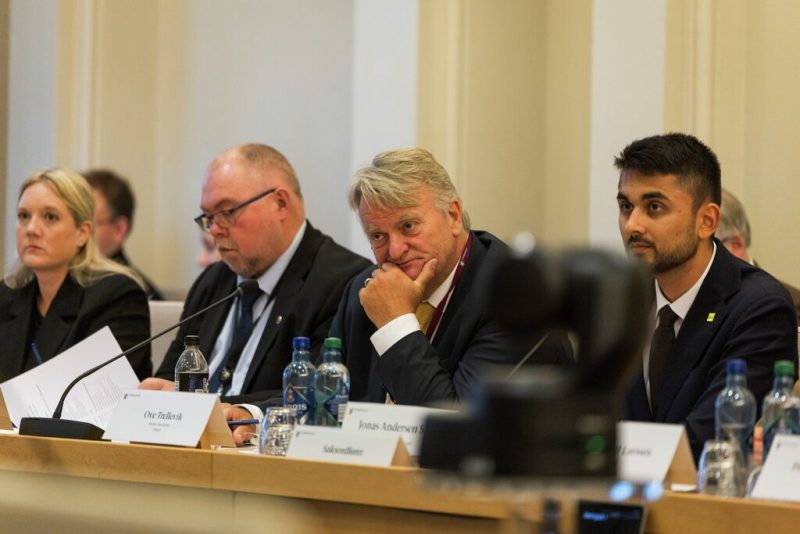
“We need to learn what the government (through its shifting foreign ministers over the years) has in fact done,” he said. “To see how high-ranking diplomats and politicians have had contact with a man (Epstein) who is responsible for grotesque forms of crime upsets us all.” The hearings had been scheduled to take place in May, but then the grown son of Rød-Larsen and Juul commited suicide, and the hearings were postponed.
Next up at the opening session on Wednesday was Prime Minister Jonas Gahr Støre, who had just returned to Oslo after a week in Canada and New York at the United Nations General Assembly followed by a visit to the new British Prime Minister Andy Burnham in Liverpool. Støre was on both the offense and the defense over his role as foreign minister from 2005 to 2012 in left-center governments led by Jens Stoltenberg.
Støre stressed at the outset that he never met or had “any form of contact with Epstein, either before, during or after my time as foreign minister.” He went on to stress “how strongly the government and I distance ourselves from what’s come forth in the Epstein documents regarding assaults and abuse of power.” He expressed sympathy for Epstein’s victims.
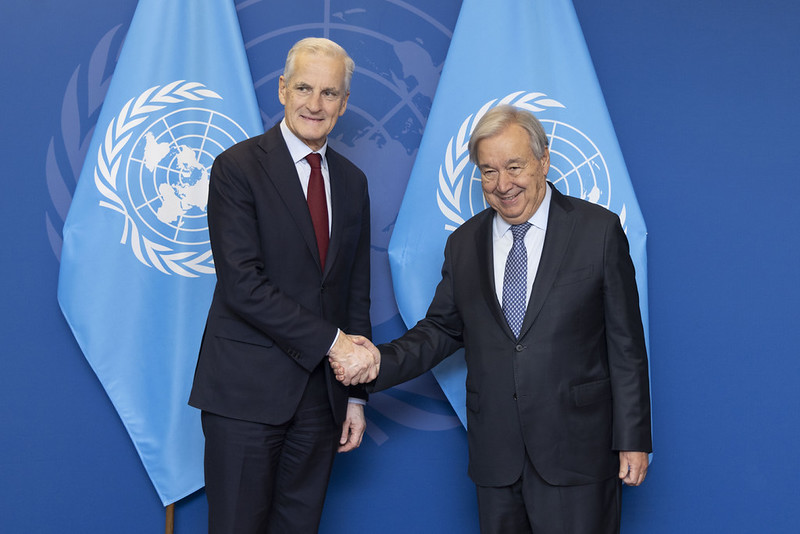
Støre went on to claim that he has “reacted strongly” to the ties “between Epstein and Norwegians in positions of trust,” while noting that of all the Norwegians named as having contact with Epstein, only one was actually employed by Norway’s foreign ministry at the time (Mona Juul). Nor, Støre claimed, was Epstein in contact with or cooperated with anyone else at the ministry in connection with Norwegian foreign policy or foreign aid.
The problem, however, is that the International Peace Institute (IPI) that Juul’s husband Terje Rød-Larsen ran until he had to resign in shame in 2020 received funding year after year from the ministry. It amounted to NOK 130 million between 1997 and 2018, when funding was halted. A state audit had found serious flaws with the fund because of various conflicts of interest among ministry officials, Rød-Larsen and his wife Juul, who remained a top diplomat and later became Norway’s ambassador to the UN in New York.
Støre nonetheless asserted at Wednesday’s hearing that there was no basis for claims of any inherently bad culture at Norway’s foreign ministry. He noted, meanwhile, that “the routines for management of funding and handling any potential conflicts of interest have been improved since that time,” but warned against jumping to any conclusions. He referred to all the “competent, conscientious employees at the ministry who work for Norway’s interests, many under demanding circumstances.”
Questions remained after Støre’s session at the hearing, with Sayed telling state broadcaster NRK that the prime minister didn’t express many regrets or self-criticism of how he handled possible conflicts of interest while he was foreign minister. The leader of the parliament’s disciplinary committee, Per-Willy Amundsen of the right-wing Progress Party, wasn’t satisfied either. “There’s a need for more answers,” he told Norwegian media, with Sayed noting that there will also be more questions for Støre as the police- and the independent commission’s work proceeds.
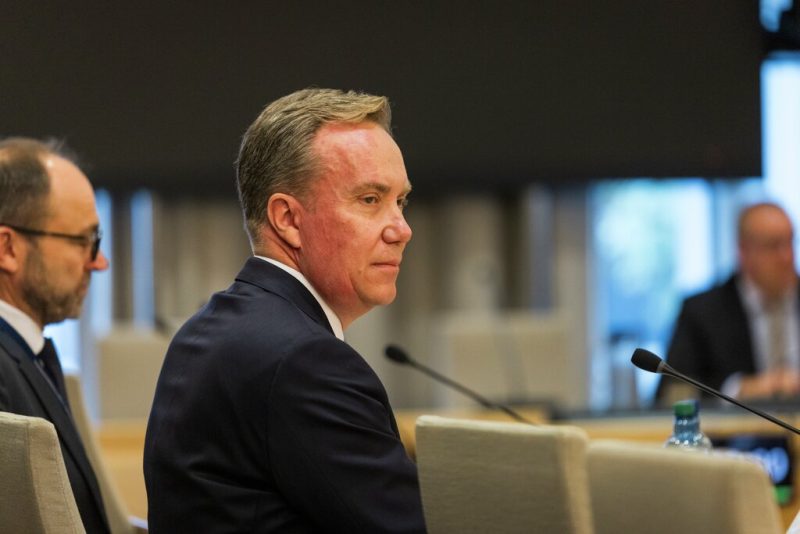
Next to be questioned at the hearing after Støre was another former foreign minister from Norway’s Conservative Party who lost his top job as president of the World Economic Forum after the Epstein files were released. Børge Brende had earlier claimed he’d never met Jeffrey Epstein, but the files released by the US justice department showed photos of them together and extensive contact.
Brende launched his appearance before the committee by apologizing “for not being honest” before the files were released. He acknowledged that he shouldn’t have lied to Norwegian national newspaper Aftenposten, for example, when its reporter had asked as early as November of last year whether he’d met Epstein. “I was afraid the contact (which began after Rød-Larsen thought they should meet) would have been interpreted as something more than it was,” he told the committee. He also feared it would damage the World Economic Forum’s looming annual meeting in Davos in January, which was as usual attended by leaders and dignitaries from all over the world.
“I showed bad judgment and I am sorry for that,” said Brende, who also sat on several international boards and committees. He distanced himself from Epstein’s crimes, expressed sympathy for Epstein’s assault victims and admitted that he should have checked out Epstein’s past before meeting and socializing with him. “I take responsibility for that, and that’s why I left as chief of the World Economic Forum,” Brende told the committee.
He went on to defend his term as foreign minister, even when the ministry’s financial support for Rød-Larsen’s peace institute in New York was at its highest in 2014 and 2015. He pointed out that was also when Norway contributed NOK 3 million to IPI’s UN-reform project, an effort that Norway still supports.
Brende also noted how the Norwegian foreign ministry’s funding for IPI was one of more than 7,000 agreements Norway has worldwide. Norway has always been among the world’s largest aid providers, when measured as a percentage of gross national product. Like Støre, Brende denied any “bad culture” within the ministry: “On the contrary, I had colleagues with a strong feeling of responsibility for Norway’s interests in demanding times.”
Brende, like others addressing the committee, also contended that the Norwegian foreign service is widely respected internationally, “and deserves that.” He still refused to respond to any questions from media present in the hearing room and left without granting any interviews.
Brende was succeeded as foreign minister in 2017 by the Conservatives’ defense minister at the time, Ine Eriksen Søreide, who has since become the Conservatives’ party leader. That makes her a candidate for prime minister if the party improves its currently poor showings in public opinion polls.

Søreide was smiling when she took her seat at the hearing table at the end of a long day. She served as Norway’s foreign minister until the Conservatives lost the national election to Labour in 2021. Søreide was also a friend of Mona Juul, with whom she worked to successfully gain a temporary seat on the UN Security Council. Søreide said she only met Terje Rød-Larsen a few times, and she handed over personnel responsibility for Juul to others because of their friendship.
“It was a busy time,” she told the committee, noting how reform efforts at the UN began during her term. Søreide linked Norway’s ongoing funding for IPI to the importance of consistent aid allocations, with IPI active in the reform efforts. She also rejected claims of a troubled culture within the ministry: “I think it’s unfortunate if there are any impressions of an elite with the foreign ministry,” Eide said. “I don’t believe there is.”
The Epstein hearings continued on Thursday before Parliament itself opens for its new session on Friday. Those called in for the second day of questioning include former state secretaries and leaders of the ministry and state agency (NORAD) devoted to foreign aid. Current Foreign Minister Espen Barth Eide was also due to testify Thursday evening.
NewsinEnglish.no/Nina Berglund
