

UPDATED: Crime shows on TV have long been part of Easter rituals in Norway, right up there or even higher than mountain skiing or going to church. For fans of popular Norwegian author Jo Nesbø, this Easter was extra special with the release of Jo Nesbø’s Detective Hole, a dark, blood-stained Netflix series set in Oslo. A week later he won another big prize.
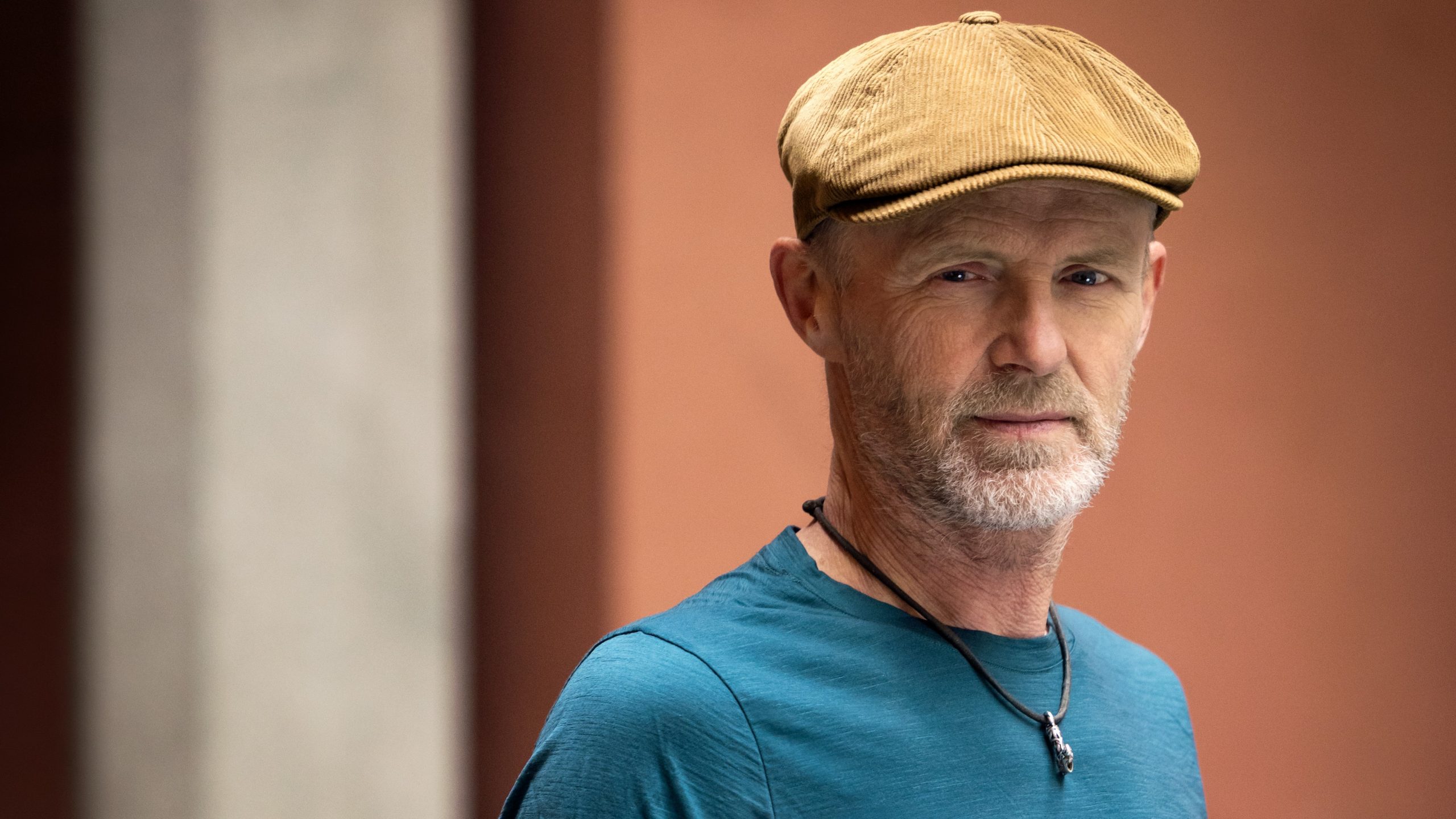
The show started streaming on March 26 and rapidly got popular, not just on Nesbø’s home turf, but also throughout Europe. According to the streaming giant’s own ranking of non-English shows, Jo Nesbø’s Detective Hole had almost 5 million views during its first week on the network, second only to Radioactive Emergency, a Brazilian show.
The nine-episode series is created by Nesbø himself. Rather than using the Hollywood term “showrunner,” he describes himself as the one holding the creative responsibility for deciding how the story is to be told.
“It means a lot that Norwegian Netflix viewers included Harry Hole in their Easter viewing from day one,” Nesbø stated in a press release from Netflix. “And it’s a great joy to learn that viewers all over the world discover Harry and Oslo at the same time.”
The multi-talented Nesbø was born in Oslo 66 years ago and grew up in Molde on Norway’s west coast. As a teenager he was a promising football player on the local team, but had to quit as a junior after overburdening both knees.
Nesbø went on to earn a degree in economics and business administration from the Norwegian School of Economics (Norges Handelshøyskole, NHH). That led to professional experience as a financial analyst and broker, which is now useful for managing the considerable fortune he’s earned from his success as an author. But before that, he also did very well in Norway as a singer and songwriter with the prominent Norwegian rock band Di Derre. Nesbø has been an avid mountain climber as well.
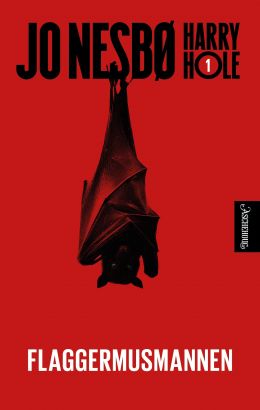
His international fame and fortune, though, are built on a long string of violent crime novels, 13 in all, with the 14th set to launch this autumn. It all started in 1997 with Flaggermusmannen (The Bat). Key ingredients are the thirsty unglamourous detective Harry Hole and bizarre plots set on Oslo’s ripped backsides.
Nesbø’s books have been translated into more than 50 languages. He has won Norway’s Riverton Prize for crime fiction four times (just after Easter again for last year’s Minnesota) and he’s consistently listed among Norway’s highest-earning authors. According to business news service E24, his main company Skriververkstedet AS reported earnings of NOK 55.3 million (USD 5 million) in 2024. Nesbø’s personal fortune is believed to be approaching half-a-billion Norwegian kroner, and his new offering on Netflix seems likely to add more gold to the pile.
According to Nesbø, though, most of his fortune is earmarked for charities, notably Harry Hole-stiftelsen, a foundation that supports efforts to teach children in developing countries to read and write. “None of those close to me can expect not having to work or to live off an inheritance from me,” he told newspaper Aftenposten in a recent interview. Asked what money means to him, Nesbø said: “It gives me freedom. I don’t have to make compromises in what I’m working on, whether it’s music or writing. It means that I don’t have to write, and that I can write exactly what I want.”
He still takes advantage of special offers and discounts when shopping, though, a reflex from growing up in a modest family. “That’s what my mother did, it’s the way I was brought up,” he told Aftenposten. Nesbø is not married but has a daughter in her 20s, Selma, from an earlier relationship.
Jo Nesbø is no stranger to the film world, having created the political thriller series Occupied which premiered in 2015. Some of his children’s books have also been adapted to the screen. But he was probably happy not to be directly involved in the 2017 film adaptation of another of his books, The Snowman, which got a rather frosty critical reception.
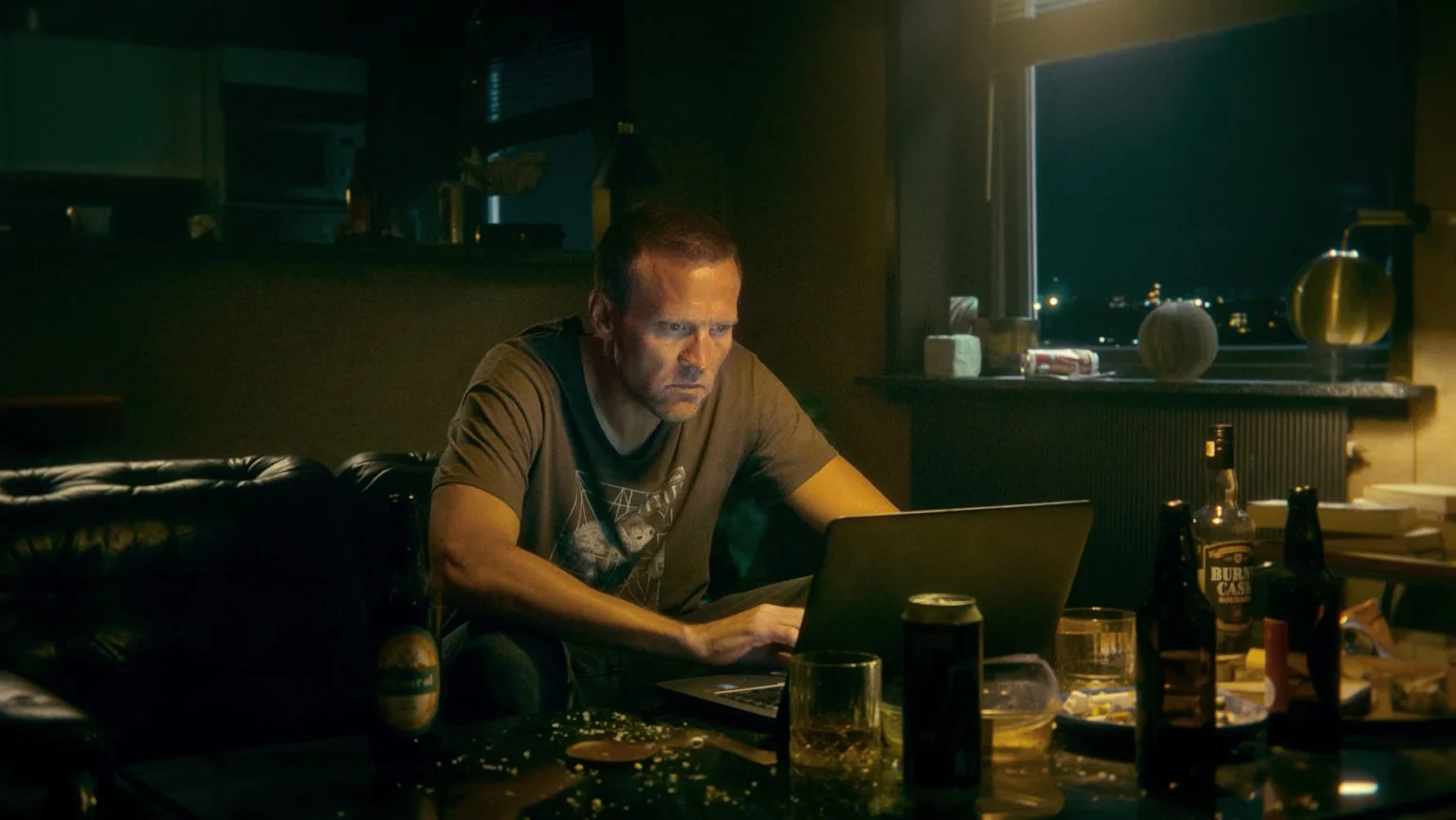
The new series is based on The Devil’s Star (Marekors) from 2003, which was the fifth of Nesbø’s novels. The story, with Norwegian actor Tobias Santelmann in the title role, follows the hunt for a serial killer through a somewhat unfamiliar Oslo, where heavily armed gangsters battle for business on mean streets.
It’s macabre stuff, hardly suitable for viewers who have a problem with crushed faces, pools of blood, and severed body parts. The show visits lots of iconic Oslo locations from the modern waterfront highrises known as the Barcode to the creepy Emanuel Vigeland mausoleum in an affluent neighbourhood and the Instagram-friendly Ekeberg restaurant, not to mention Harry’s watering hole – the neighbourhood restaurant Schrøder. The series was reportedly shot in around 160 locations around town, probably making it the biggest “Oslo movie” ever.
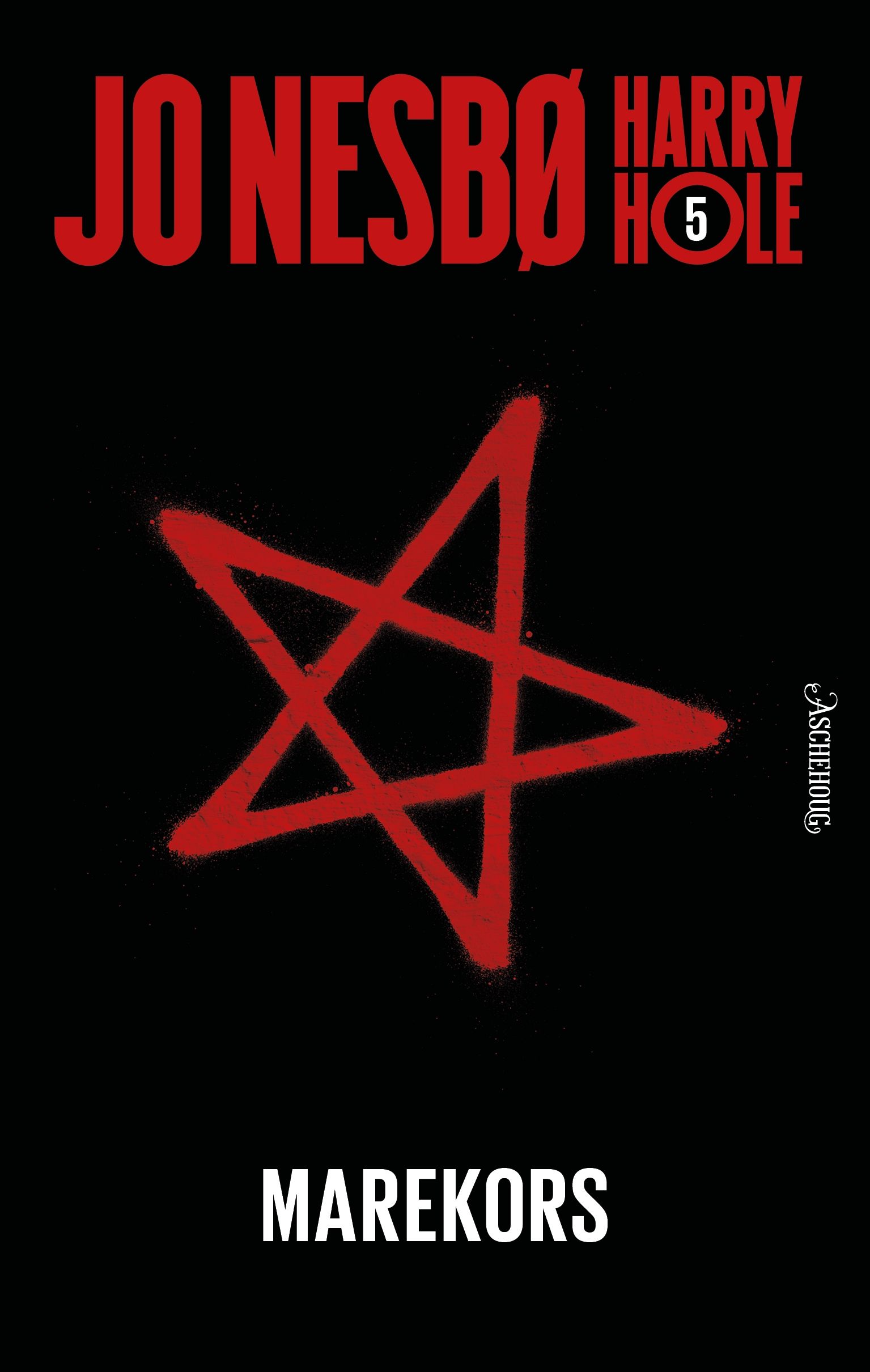
But something weird has happened to that Oslo. Crime of all sorts, minor compared to most other cities, has mysteriously risen to nightmarish levels, and the city’s litter problem has grown to mountains of garbage lining every street. A planned gondola from downtown up to Ekeberg in the east, which the city blocked years ago, has opened without any further explanation in Nesbø’s strange version of Norway’s capital – suggesting, perhaps, that the action takes place not today, but in the future. A high-level conspiracy lurks in the background without being fully exposed, forming a cliffhanger for the next season.
And then there’s the colouring. Detective Harry Hole probabably fits into the Nordic Noir genre, but it certainly comes with more shades than black. Aksel Kielland, a critic for the Oslo-based newspaper Morgenbladet, found that the new film’s visual style is “diametrically opposed to that of Snowman. While Snowman is cold, clean-cut and slow, Harry Hole is warm, messy and restless”.
“It showers this fictional Oslo in an insistent yellow sunlight which is normally reserved for film scenes playing out in the past, in Latin America or in science-fiction scenarios where the sun is about to die,” Kielland wrote. Newspaper Klassekampen’s review, meanwhile, suggested that “the summery Oslo has been coloured with a yellow-green filter used by Hollywood to signal Mexico.”
Nesbø himself has described his depiction of Oslo as a “conscious exaggeration,” aiming to make Oslo recognizable but not quite like the real thing. He wanted an Oslo that is 90 percent realistic and 10 percent fairy tale, with its dirt a little dirtier and its beauty more beautiful.
New kids on the set
A few decades ago, Norway’s TV- and film industry was so small that jokes were made that every new movie starred Norwegian actors Sverre Anker Ousdal and Helge Jordal. Ousdal passed away last year, but Jordal, now 80, pops up even in Detective Hole. More importantly, the series illustrates just how much the local film scene has changed. The series’ vast cast is like a who’s-who of Norwegian actors in their 40s. Many of them are familiar from recent successful shows like Lykkeland (on the history of Norway’s oil industry) and Exit (a dark tale of shady business, sexual violence and loads of cocaine among Oslo’s nouveau riches circles.). Tobias Santelmann, who plays Hole, is now reunited with Exit stars like Agnes Kittelsen, Simon Berger, Frank Kjosås and more.
Another returning face is that of Swedish actress Ellen Helinder, who played an ill-fated Moldovan prostitute in Exit. She’s now a forensic scientist and investigator in Jo Nesbø’s Detective Hole with an unusual talent for recognizing faces. There are several other prominent Swedish actors in the show, too, like Joel Kinnaman and Peter Stormare. Even the local reporter covering the case in the series speaks Swedish. Viewers are not told why that is, but such a choice looks certain to attract audiences in Sweden, while international audiences may not distinguish Swedish from Norwegian.
While several reviews discussed the series’ strange colours, unnecessarily gross violence and all the Swedes involved, commentator Bjørn Ivar Fyksen asked himself whether the book can compete with the Netflix series. Not at all, he wrote in Klassekampen, but that could be beside the point.
Perhaps Harry Hole on screen suits a younger audience, with more tolerance and understanding for computer-generated esthetics, but who are not ready for Harry Hole on paper. And with that, Nesbø’s noisy visuals may be a stroke of genius by opening his literary universe to a new generation which, Fyksen suggested, is not yet in the market for the books.
NewsinEnglish.no/Morten Møst
