

Norway’s Greens Party has refused to go along with the other three left- and left-center parties in Parliament in supporting the minority Labour government’s state budget proposal for next year. That boosts the drama around the budget, which is subject to voting in Parliament on December 7.
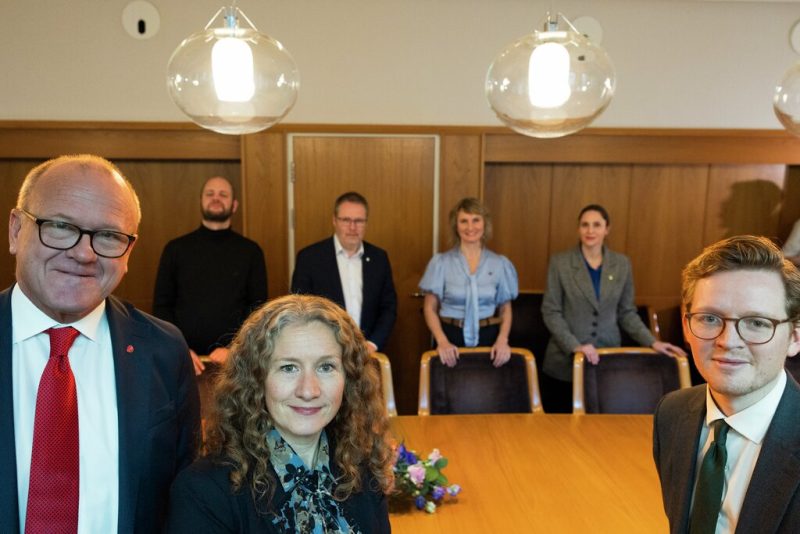
Labour managed to negotiate agreements with their other budget partners (the Reds, the Socialist Left and the Center parties) on everything from more money to hospitals and day care centers to lower public tranport fares and state support for dental care. Labour failed, however, to get the Greens to go along with a slight reduction in fuel taxes (NOK 1.25 less per liter on biodiesel and mineral oil) that the Center Party had demanded.
“Lots of folks and business owners rely on diesel to transport goods,” said Center Party leader Trygve Slagsvold Vedum, who’s always most concerned about voters living outside metropolitan areas. The Greens balked, however, claiming that such budget proposals “take climate policy in the wrong direction.”
The Greens’ lead negotiator, Oda Indgaard, had claimed from the outset that it would be “absolutely out of the question” for the Greens to go along with any state budget “that doesn’t cut more emissions and contribute to a major restructuring” away from oil and gas. The Greens (MDG) also want to halt all oil and gas exploration, especially in the Arctic, and raise taxes on companies in the oil sector.
They prevailed on reductions in public transport fares, and the left-center budget negotiators also promise an external evaluation of both the management and organization of Norway’s troubled and unreliable trains. The government faces imposing even more tax on the use of plastic.
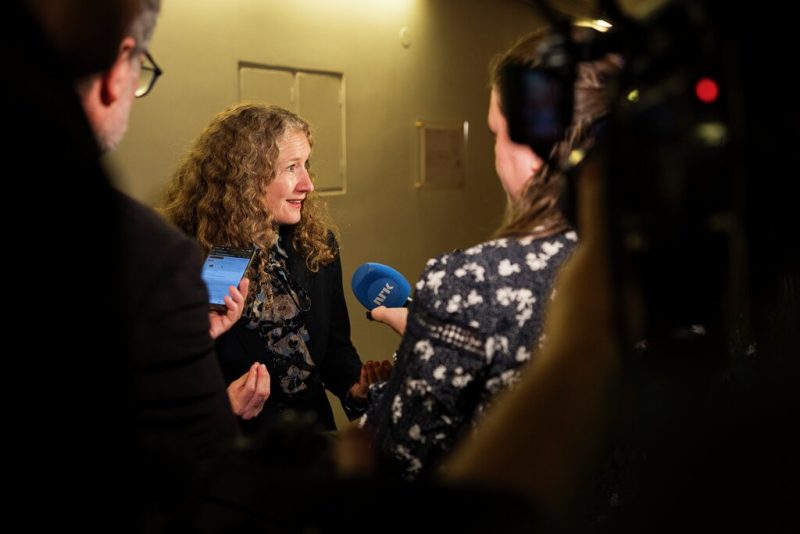
Labour’s lead negotiator, Tuva Moflag, was predictably far more satisfied with the agreement worked out between her party and at least three of their partners. “This is an incredibly good agreement, I think, that contains victories for all the parties, also the one that isn’t standing here together with us,” Moflag said after the result of their negotiations were revealed. Mimir Kristjánsson of the Reds Party also claimed it was “extremely good,” calling it “just the beginning” of all the plans the left-center side has midway in their terms between national elections.
Bjørn Arild Gram, a former defense minister for the Center Party, seemed very pleased with the proposed budget, saying he hopes it will secure a majority “because very many in Norway will appreciate that.” Marthe Hammer of the Socialist Left was also positive, but cautioned that “a budget doesn’t have majority support until it has a majority” in Parliament.
A vote on the budget is scheduled in early December. Between now and then there will be more debate in Parliament, where initial reaction from opposition parties was predictably negative. Henrik Asheim of the Conservative Party claimed there was too much “chaos” around the budget proposal, while the right-wing Progress Party doesn’t think it offers nearly enough tax relief for “ordinary folks.” Guri Melby, leader of the non-socialist Liberal Party, predicted “higher taxes and higher emissions.”
There were some bright spots for most everyone, though, including the prospect of fewer layoffs at the national postal service Posten, which has become a shadow of its former self. After months of organized protests and demands to retain home delivery of mail and newspapers in some areas, there’s now a proposal for postal delivery at least to Norwegians aged 75 and up three days week. Local governments are expected to be granted more revenues while some state ministries and departments will need to cut their operating budgets in an effort to reduce bureaucracy.
NewsinEnglish.no/Nina Berglund
