Norway’s already-high food prices have risen even more, by another 4.4 percent just last month. Meanwhile the consistently profitable grocery- and distribution conglomerate NorgesGruppen, which dominates the Norwegian market, now wants to expand into the pharmacy business, and that’s been branded as a looming “scandal” for consumers.
Prices on some items at the grocery store were up by as much as 20 percent last month, with coffee, chocolate and fruit showing the biggest hikes even when locally produced fruit is in season. State statistics bureau SSB (Statistics Norway) said the more general 4.4 percent increase was from June to July, while prices were up by 5.9 percent from July of last year.
SSB reported that Norway’s actual consumer price index was up by 3.3 percent, much higher than the central bank’s goal of just 2 percent, and some were worrying that it may lead to higher interest rates.
“This was a surprisingly strong increase,” Ivar Pettersen, who follows food prices for Alo-Analyse, told newspaper Dagsavisen. “Some of it can be explained, but I think it’s difficult to clarify the overall price increase. Import prices for foodstuffs actually declined from June to July.”
The effects of state negotiations with Norwegian farmers often click in during July, however, and Norwegian-grown tomatoes, cucumbers and other fruit and vegetables are almost always more expensive than the imports that are kept out of the country. Cucumbers alone have jumped to NOK 26.90 (USD 2.69) at the so-called “low-price” grocery stores like KIWI and Rema, and cost NOK 29.90 at a Co-op store in Oslo on Wednesday. In Sweden, a cucumber can cost half that.
Other analysts noted that prices often go up in July as wholesalers “adjust” their prices in the grocery business. It also marks a seasonal change, when grocers clear out so-called “grilling” food and bring in other types of food that’s seen as being in demand again.
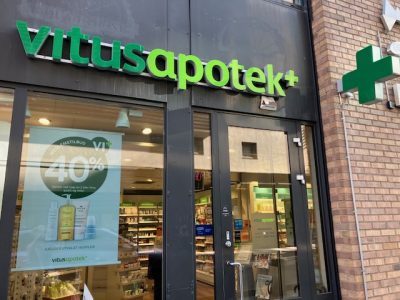
It didn’t take long after the numbers were released for fingers to point at the grocery store giants themselves, especially NorgesGruppen that controls chains like Meny, KIWI, Joker and Spar in Norway. Norwegian consumers have long complained about how NorgesGruppen, Coop and Rema dominate the market in Norway, and last week came news that NorgesGruppen was also buying Norsk Medisinaldepot (NMD), which owns the national pharmacy chains Vitusapotek and Ditt Apotek.
Knut Faremo, who used to work for NorgesGruppen and now works as an investment adviser, told news service E24 that he has filed a protest with the state against the pending acquisition. He said it would be “extremely unfortunate” if NorgesGruppen breaks into the pharmacy- and medicinal market in addition to groceries.
“That would become a scandal for consumers and an unwanted situation,” he wrote in a letter to the trade ministry in late June. The ministry has since deferred complaints to the state competition authority Konkurransetilsynet, claiming that it’s “in charge of such acquisitions and evaluates them on an independent and professional basis.”
NorgesGruppen, which is buying NMD from US-based McKesson Corp, claims the purchase is “strategically important” because it will strengthen Norway’s medicinal preparedness along with access to pharmacy items nationwide. The grocery giant’s chief executive Runar Hollevik said Norwegian ownership of NMD and what he called its “chain concepts” was “important in an uneasy international situation.” There are currently 386 Vitusapotek and Ditt Apotek pharmacies nationwide with more than 3,000 employees including those working within NMD’s wholesale operations.
Over-the-counter remedies sold in pharmacies like aspirins, cough syrups, ibuprofen or allergy pills are already much more expensive in Norway than in many other countries, especially the US. A box of just 20 Ibux tablets, for example, costs around NOK 79 (USD 7.90) at a Norwegian pharmacy, while that can buy 100 or more tablets of a generic ibuprofen brand in the US. There’s little brand competition and few generic remedies in Norway, where Faremo said three leading players also control the pharmacy market. Nothing is sold in the high-volume quantities found in the US at much lower prices.
Grocery stores already sell a limited selection of pain remedies, often at a lower price than in the pharmacies, but they also tend to be low-dose (200mg instead of 500mg) and don’t include, for example, Paracet tablets that are easier to swallow. They’re only available at a pharmacy, at a much higher price.
The trade ministry stated that it’s now up to the competition authority to review NorgesGruppen’s acquisition of the pharmacy chains. Some players in the grocery branch think the NMD purchase is both “sensible and expected” as the grocery business expands and diversifies, noting the overlap of products sold in both grocery stores and pharmacies.
NewsinEnglish.no/Nina Berglund
