

Norway’s Finance Minister Jens Stoltenberg learned a lot about defense during his 10 years at NATO. That can come in handy over the next few months after he presented his first state budget proposal in nearly three decades Wednesday morning, and immediately came under fire over it from all directions.
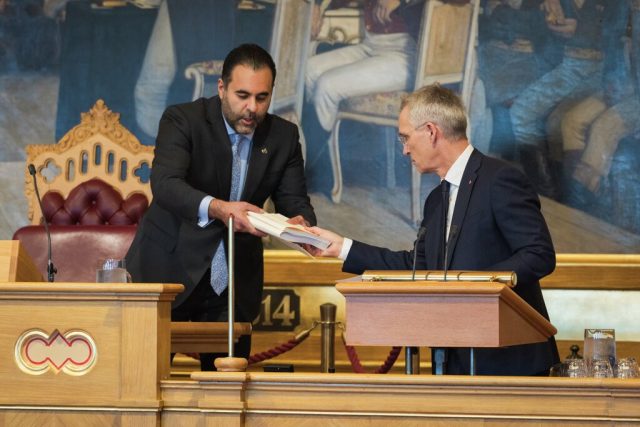
Stoltenberg, who returned to Norwegian government earlier this year, was up early on Wednesday as Norwegian finance ministers always are on the day they need to present the government’s state budget proposal to Parliament. Norwegian reporters have a tradition of showing up outside the finance minister’s home as early as 6:30am, to pepper him or her with questions. On Wednesday they had to settle for meeting Stoltenberg outside the finance ministry in Oslo shortly after 7am, even though the actual budget proposal wasn’t released until 10am.
Stoltenberg called it a “responsible budget,” meant to secure the country during troubled times internationally. Despite the huge increase in defense spending already, and his proposal for even more, he stressed that the Norwegian economy has remained strong and continues to do well “despite all the uncertainty in the world economy.”
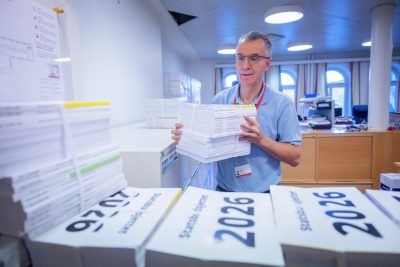
He expects “real wage growth” again next year and only a 2.2 percent rise in Norway’s consumer price index over the next year (down from 2.8 percent this year and 3.1 percent in 2024). He also thinks core inflation, which includes changes in state and local fees and energy costs, will fall from 2.9 percent to 2.5 percent. That’s important because core inflation is what the central bank uses when setting interest rates. The expected decline indicates that they will fall, too. Unemployment, meanwhile, is expected stay low at just 2.1 percent next year while economic activity may rise.
As a result of all that, Stoltenberg proposes withdrawing 2.8 percent of the value of Norway’s huge sovereign wealth fund known as the Oil Fund, less than the maximum allowed, to balance the state budget. The actual amount will be around NOK 580 billion (USD 58 billion), which rises every year but is viewed as economically justified since the fund itself (meant to cover pensions for future generations) keeps growing.
That’s where some economists raise warning flags, because it shows how Norway’s real budget deficit keeps growing too, year after year. Stoltenberg himself was behind setting up the Oil Fund just over 30 years ago when the country’s booming oil industry was generating so much money that it threatened to overheat the economy if it was tapped for any more than 4 percent at the time. Now there are indications oil revenues will level off and ultimately decline, making it important to keep the equivalent of Norway’s piggy bank full.
Stoltenberg remains confident that the record large withdrawal is justified because economic activity in Norway is growing faster than it has in recent years, unemployment is low and household income in general is rising higher than inflation. Norway at present seems to need more workers than more new jobs.

Stoltenberg, educated as an economist with an emphasis on social welfare, claimed that “there isn’t any other document that’s more important for folks’ economy than the state budget.” He said he felt a sense of “humility and respect” for all the budget-related tasks he was performing as finance minister on Wednesday.
That’s also why he came under immediate assault from not only the opposition in Parliament but also from his own Labour Party’s likely supporters on the left-center side of Norwegian politics. Stoltenberg, Prime Minister Jonas Gahr Støre and the rest of the Labour government (which only has 28 percent of the seats in Parliament) must depend on the Greens, the Socialist Left and the Reds parties plus the Center Party (Labour’s former government coalition partner) to get its budget approved.
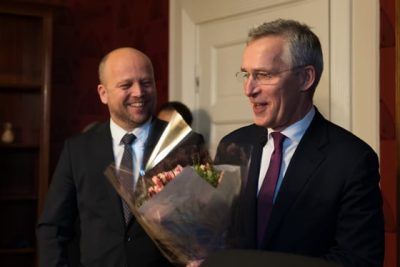
Center’s leader, Trygve Slagsvold Vedum, told Norwegian Broadcasting (NRK) that the Labour government “will have to approach the Conservatives” to win enough support for the budget. He was especially put off by Labour’s proposals to, for example, cut back on excusing students from paying back their student loans if they settle in outlying areas, to start charging ferry fares again in rural districts and to pare back on other special incentive programs in rural areas. The government, for example, wants to close 14 passport offices in small towns from Kautokeino in the north to Kragerø in the south, and replace them with buses that can move among them.
Ingrid Liland of the Greens Party (MDG), which sided with left-wing parties in Parliament after doing well in last month’s election, claimed it was “a bit comical” for Stoltenberg to brand his budget as an example of “secure leadership.” She thinks that must involve a phase-out plan for the oil and gas industry, more investment in public transport and tougher restriction on preserving the nature.
Proposed income tax reduction, meanwhile, only amounts on average to NOK 800 per person next year, although Stoltenberg is trying to set up a tax commission charged with major reform of the entire tax system in Norway.
Stoltenberg said he and his government colleagues were “prepared for demanding negotiations” in Parliament over its budget proposal, while Støre said he “understood” some of the immediate objections from the Center Party. Budget negotiations take place throughout the autumn before a new state budget is approved in December.
NewsinEnglish.no/Nina Berglund
