

UPDATED: More than 4,400 workers at Norwegian hotels and restaurants have entered the sixth week of a nationwide strike, and union leaders warn they’ll soon impose boycotts. They’re seeking higher wages and, most importantly, quicker receipt of sick pay benefits, with no signs of a settlement in sight.
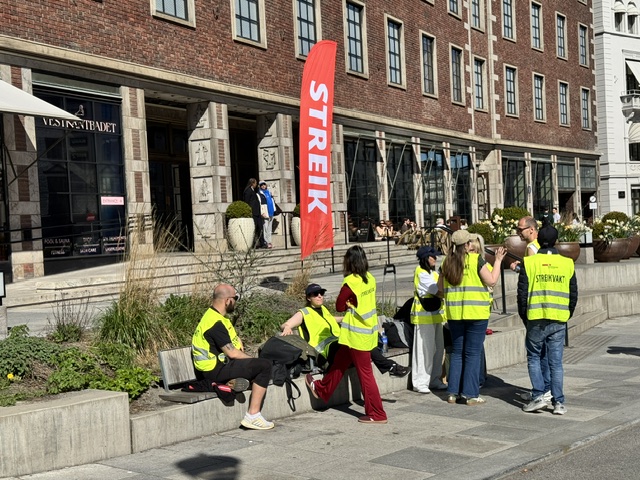
The strike began on April 19 after the national organization representing hotels and restaurants, NHO Reiseliv, seemed willing to meet wage demands but balked at paying out long-term sick pay until the state welfare agency NAV takes over and reimburses them. Many large hotels already cover long-term sick pay until the state steps in, but smaller hotels and restaurants claim they don’t have the cash flow to pay out benefits and then wait for reimbursement from NAV.
The main problem is that in the hotel- and restaurant business, workers often have multiple employers, don’t speak, read or write Norwegian and struggle if they fall ill. Applications for long-term sick pay can take longer for NAV to process, both for the employers and the employees.
Stike leaders warned on Tuesday that if the labour conflict isn’t resolved by June 2, trade union federation Fellesforbundet will urge boycotts of the companies behind hotels and restaurants affected by the strike.
Much of the blame for the strike has been directed at NAV, but strikers were provoked last week when NHO Reiseliv held its annual conference at the Clarion Hub hotel in Oslo and employer-members crossed the picket line. The strike prompted members of the Labour Party government to stay away, with Labour Minister Kjersti Stenseng among those cancelling appearances.
Shouts of “no respect, only provocation” were reported by newspaper Dagsavisen on Saturday outside the Clarion Hub. One woman told Dagsavisen in English that the strikers were tired of accepting low pay and longer hours. Many come from EU countries where pay can be even lower, but they also meet the higher cost of living in Norway.
Foreign workers are prevalent in the hotel- and restaurant industry in Norway, accepting jobs and pay levels Norwegians may not. It’s not unusual for Norwegian customers to find themselves reverting to English as a common language when ordering meals or requesting more towels at a hotel.
Dealing with NAV, however, can be challenging for Norwegian- as well as foreign workers. Dagsavisen commentator Helle Lyng Svendsen noted on Saturday how “bureaucratic language” can be difficult for everyone, not just hotel- and restaurant employees and employers. Some politicians, meanwhile, think the sick pay issue should be resolved through a reorganization of NAV that would speed up the process, and have expressed sympathy for both employers and employees.
More than 7,000 local government employees and 2,500 state employees may also go on strike this week, including an unspecified number at NAV. That won’t help those still striking at hotels and restaurants, while they wait for the state mediator to try to restart negotiations once again.
NewsinEnglish.no/Nina Berglund
