

Norway’s gateway airport, Oslo Gardermoen, was shut down Sunday morning after Norwegian air traffic controllers launched a strike just before the weekend. All flights were cancelled for at least five hours and only a limited number of departures and arrivals would be allowed later in the day.
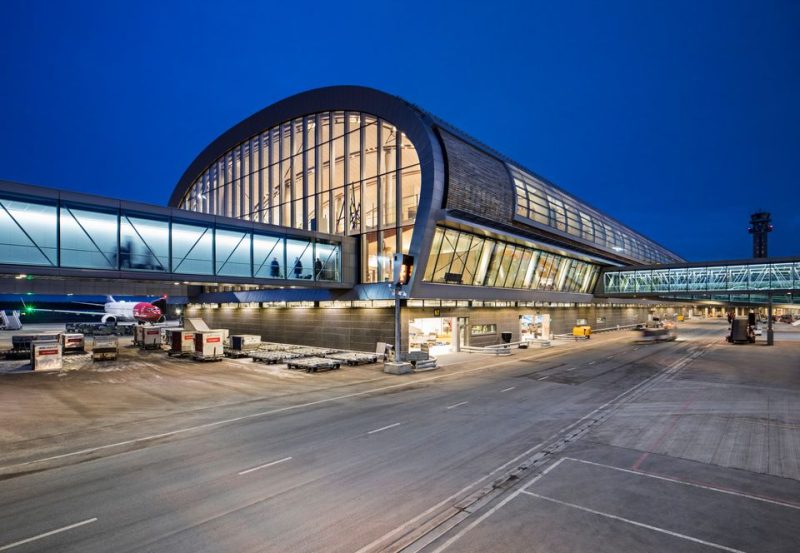
The strike was also seriously affecting air travel to and from Norway and all over the country, with flight disruptions in Bergen, Stavanger, Trondheim and all others run by the state airport agency Avinor. OSL Gardermoen reported 75 cancelled departures and 47 cancelled arrivals.
Residents and tourists alike faced flight cancellations and delays after an initial group of 12 Norwegian air traffic controllers were pulled off the job in a disupte over long working shifts and limited breaks. The air traffic controllers are well-paid, with average salaries of NOK 1.4 million (USD 140,000), but their leader complained of shifts that can last as long as 16 hours “in certain situations” without a break.
“Today the work shifts are not regulated as they should be,” Robert Gjønnes, head of the Norwegian air traffic controllers’ organization Norsk Flygelederforening, told newspaper Dagsavisen. “We want a framework for this, but don’t think our employer (Avinor, represented by employers’ organization Spekter) will enter into a dialogue about this.”
Spekter’s leader Anne-Kari Bratten retorted that it was “completely unreasonable” for the air traffic controllers to launch a strike that would so drastically affect air travel in Norway. She stressed that they had instead turned down a wage offer that amounted to an average NOK 62,000 more per, a raise of more than 4 percent that she claimed was in line with other wage settlements in Norway this year. Avinor also maintained in its information to the public that the strike was “a result of disagreements in wage negotiations,” and “would have consequences for air travel.”
Gjønnes insisted the strike was not about wages but about difficult working conditions. Air traffic controllers have long been well-paid because of their demanding work, special competence and responsibility for the lives and safety of everyone on board aircraft. “They have specialized education and often can’t be replaced,” researcher Kristine Nergaard at labour organization Fafo told Dagsavisen, “and flights can’t take off or land if they’re not on the job.”
That’s why all flights apart from medical emergencies were grounded Sunday morning, after flight disruptions earlier in the weekend. OSL Gardermoen was shut down for at least five hours, from 6:30-11:30am Sunday, disrupting flights throughout the day and for as long as the strike lasts. Norwegian Air alone had to cancel 72 flights that affected around 9,000 passengers. They’ll all need to be re-booked on other flights when some air space reopens, and were advised to remain in contact with their airline.
Air ambulances, police helicopters and defense forces will have priority over domestic aviation when only a limited number of air traffic controllers show up for work later on Sunday. More of them will be called off the job from Tuesday, however, if negotiations fail to resume. That would force closure of more air space around the country.
NewsinEnglish.no/Nina Berglund
