

COMMENTARY: Many in Oslo remember exactly where they were when the bomb went off on Friday afternoon, July 22, 2011. I had just taken a dear old friend visiting from California and her daughter on a tour of downtown, and we were walking from Parliament to the Akershus Fortress when the sudden deafening blast shook the ground like one of our own California earthquakes.
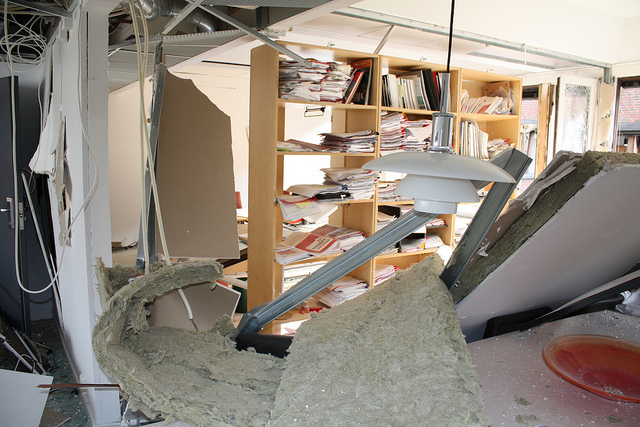
We soon began being showered by dust, debris and fragments of glass. I remember all the small pieces of paper that flew around and landed on us, which turned out to be remnants of the many books and files inside the nearby government complex that literally were blown to shreads. It was no earthquake. “Nina, that was a bomb, and it was close,” said my friend from junior high school days, just before my new mobile phone started ringing.
“Take your friends and head for home,” exclaimed my usually mild-mannered husband, who could see the clouds of smoke and debris from his office window just a few blocks from the other side of the government complex, which had been attacked. It later took him quite a while to get home himself because of police barricades on lots of downtown streets and sidewalks.
Memories like that always come back on July 22, much worse for those who were injured or lost colleagues, family members and especially children from the next attack that came later, on the island of Utøya about an hour’s drive plus ferry ride from Oslo. Even before the attacks ended with the arrest of a right-wing extremist that evening, Norwegians started reacting instinctively. They pulled together, and began placing red roses (the symbol of the Norwegian Labour Party that led the government at the time and was targeted) and other flowers around town.
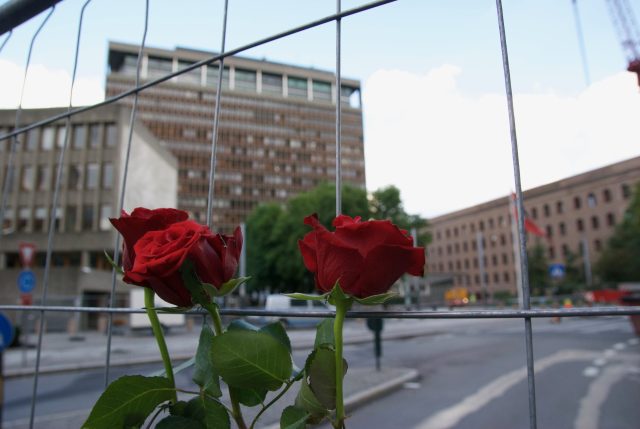
It didn’t take long for the flower power to grow and expand. It was an act of firm defiance to the terrorist, a young Norwegian man who was the son of a Norwegian diplomat but lived with his mother in Oslo’s Skøyen district. Anders Behring Breivik had been a member of Norway’s most right-wing party in Parliament, the Progress Party (Fremskritts partiet, FrP), but didn’t think they were tough enough. He left the party and became a right-wing extremist instead, now serving what’s likely to amount to a life term in prison.
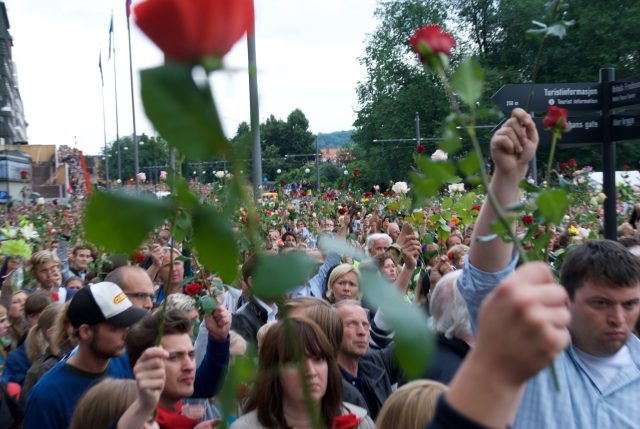
The flower power continued as Norwegians grieved and came to terms with what had been the worst attack on them since Nazi Germany invaded in World War II. Looking back, that was also tied to ultra-right-wing and racist, anti-Semitic terrorism, the likes of which most Norwegians never thought they’d have to face again. Now the country’s police intelligence agency PST is warning that right-wing extremism is on the rise, and trying to recruit especially young white men. PST (Politiets sikkerhets tjeneste) worries that the right-wing terror threat is growing.
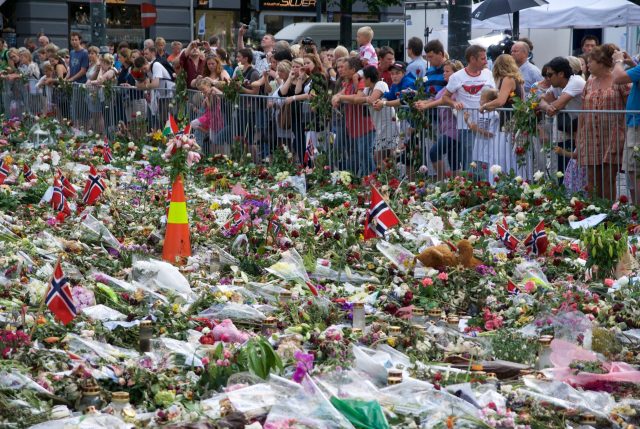
A total of 77 people were killed on July 22, 2011, and hundreds more injured and traumatized. While some survivors of the terror are now government ministers or in other powerful positions, many are still struggling. Ceremonies marking the day and urging Norwegians to uphold their democracy and values are likely to continue as the healing process goes on.
NewsinEnglish.no/Nina Berglund
