

A huge increase in the numbers of tourists arriving in Norway has finally prompted the Norwegian Parliament to let local communities impose a new tourist tax, due to take effect from next summer. The goal is to force tourists to help pay for the public facilities they need, and reduce their footprint on nature, quite literally.

After months if not years of political debate, a majority in Parliament settled on a 3 percent tax on cruiseship passengers and overnight lodging, including both hotels and Airbnb accommodation. Visitors arriving in camping vans, mobile homes and recreational boats will be exempted, however, and there won’t be any threatened fees imposed on those pitching tents.
The tax, euphemistically called a “visitor’s contribution,” can be imposed by municipal governments in areas hit hard by tourism, such as the popular Lofoten archipelago and small but scenic areas where tourists put pressure on local infrastructure. In some places, the thousands of tourists pouring off huge cruiseships far outnumber the local population, and overwhelm local facilities. Even larger cities like Tromsø have often felt overrun by tourists.
“Someone has to pay for the public toilets” needed, editorialized newspaper Aftenposten last weekend, when it looked like the government’s proposal for a new tourist tax was about to be defeated. The parliamentary committee in charge of business and industry, including tourism, was poised to dump the government’s proposal because it didn’t encompass cruiseships or passengers. Then came an alternative proposal that only targeted cruise tourists and exempted hotels.
Now the tourism tax rate has been set at 3 percent (much lower than hotel- or visitor taxes charged elsewhere around the world) but with a broader reach. Local communities will, however, have to document how tourists put pressure on their own resources and infrastructure, how the new tax revenues will be spent on tourism enhancements, and then win approval from the government ministry to impose the tax.
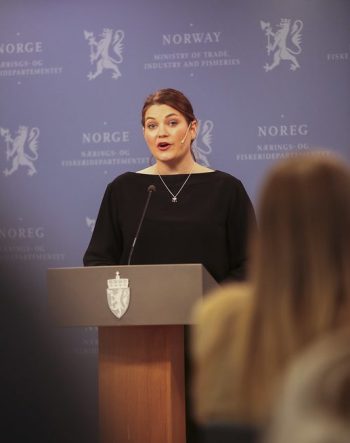
While the government minister in charge, Cecilie Myrseth of the Labour Party, called it “an historic day” in Parliament, others were already criticizing the new tax as either not enough or too onerous. It’s ironic that government officials in a high-tax country like Norway have been so reluctant to tax tourists, but Myrseth was relieved. The goal is for local communities struggling with the tourist influx to have the tax in place by next summer.
Kristin Krohn Devold, a former government minister herself who now represents employers within the tourist industry, was relieved that a flat nationwide hotel tax was averted. She has argued that hotel guests don’t represent as big a problem as other tourists who aren’t staying in hotel rooms.
Politicians in Oslo, meanwhile, were glad that Airbnb accommodation will soon be taxed: “In cities with lots of tourism, the local population has been pushed out of the most attractive areas,” Haakon Riekeles of the non-socialist Liberal Party told Aftenposten, because owners of small flats can earn much more money renting them out to tourists than to locals.
“Hotels full of guests don’t make the city less accessible for those who need a place to live,” Riekeles said. “Renting out housing units to tourists is something else.” Riekeles fears that Airbnb can result in fewer housing units, higher rental rates and unstable neighbourhoods.
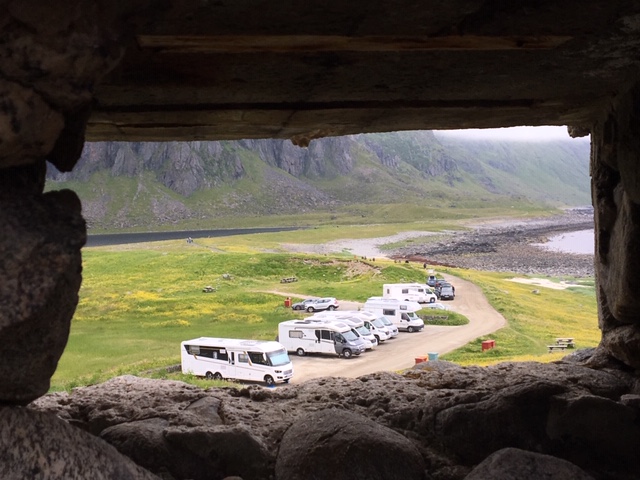
A group of five mayors from communities in Lofoten were also relieved that they finally can collect some tax revenue from the tourists who all but invade Lofoten every summer. They’ve struggled with all the vehicular traffic, and, not least, tourists relieving themselves behind trees or along hiking trails because of the lack of pubic toilets.
“This is a great victory for Lofoten,” Vidar Thom Benjaminsen, mayor of Vågan, told state broadcaster NRK. The small town of Henningsvær has also felt overrun at times by tourists, and all Lofoten mayors want “to take care of local residents” and their stunning nature. “This will lead to more sustainable tourism in Lofoten.”
Camping vans and recreational boats were exempted from the tourist tax in the hopes they’ll park at designated camping areas and guest harbours where fees are charged. They also pay tolls and buy highly taxed fuel, along with paying Norway’s 15 percent VAT on food at grocery stores and 25 percent on most everything else.
NewsinEnglish.no/Nina Berglund
