

Two weeks after the US and Israel launched a new war in the Middle East and an international energy crisis, Norway is hosting NATO exercises in the Arctic and the leaders of Germany, Canada and the Nordic countries. It’s all part of the small but wealthy Norway’s efforts to use its resources and values to help restore world order.
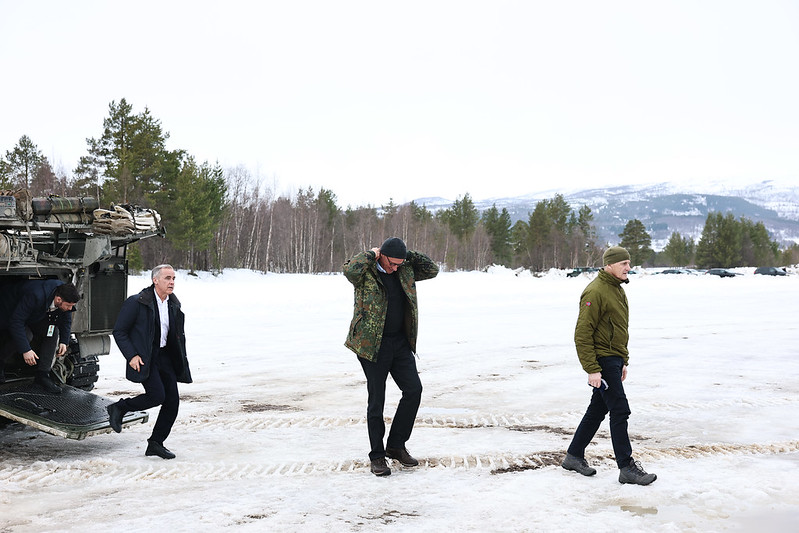
Norwegian Prime Minister Jonas Gahr Støre and his finance minister, the former NATO chief Jens Stoltenberg, have been first and foremost among the world’s strongest critics of Russia’s war on Ukraine and supporters of Ukraine itself. Now they fear US President Donald Trump’s new war in the Middle East will further divert attention from Ukraine and efforts to keep Russian President Vladimir Putin from invading other neighbours.
Both spoke out in a candid interview with Norway’s national business daily Dagens Næringsliv (DN) just before the weekend. They’re both worried that the US, long their “closest ally,” has “started a war with an unclear plan” and risks making the regime in Iran even more entrenched and radical than before.
“The question is whether the war solves the problem (of Iran as a threat to Israel and the region),” Støre told DN. He stressed that there is opposition to the Iranian regime in Iran “that should have an opportunity to rule, but we also see photos from Teheran of hundreds of thousands who support the regime.” Now both Støre and Stoltenberg fear further escalation, “but it’s difficult when the goal for the war is described differently from day to day,” Støre said. “When will they (the US and Israel) have achieved the goal?”
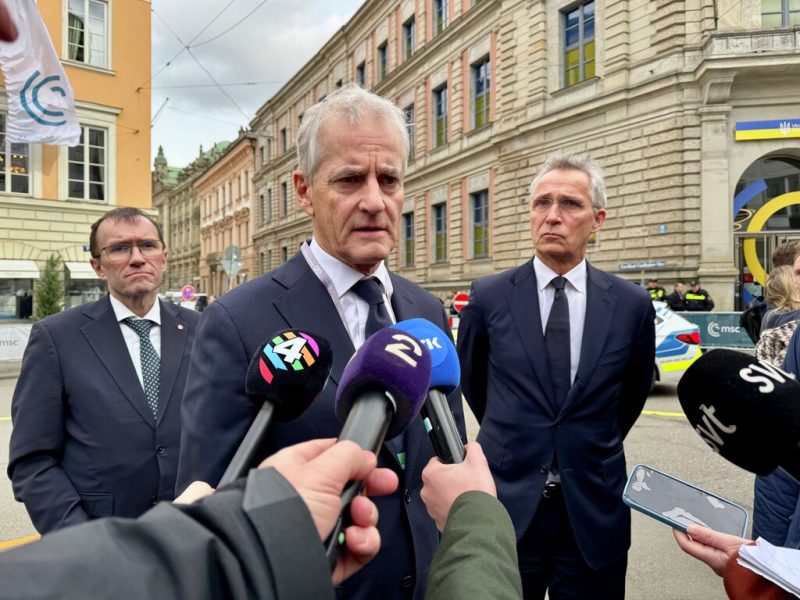
Meanwhile, the new war has already sent oil and gas prices soaring and set off concerns for an energy crisis not seen since the 1970s. “High energy prices can lead to inflation internationally and a decline in (economic) growth,” Stoltenberg said, adding that “it’s too early to conclude because we don’t know how long and extensive the war will be.” He got along well with Trump while leading NATO but “has seen a change” in Trump since his first term, with “rougher language” and more ridicule of European leaders.
A British ship has been among those struck by missiles and Støre said some missiles have been fired towards Turkey, raising questions of whether NATO will get involved in the war on Iran. “The alliance is following the situation closely,” he said, but, in his view, “this is not a matter for NATO.” Nor does Norway have plans to provide military escort for Norwegian-owned or controlled ships still caught in the Persian Gulf.
Norway is responding instead by producing as much oil and gas of its own to boost supplies and lower prices, while other European countries are keen on increasing energy sources from solar- and wind power. Støre’s energy minister, Terje Aasland, agrees that Europe must invest more in renewable energy, “and electrify what can be electrified … but oil and gas will be important in a European context for many more decades.”
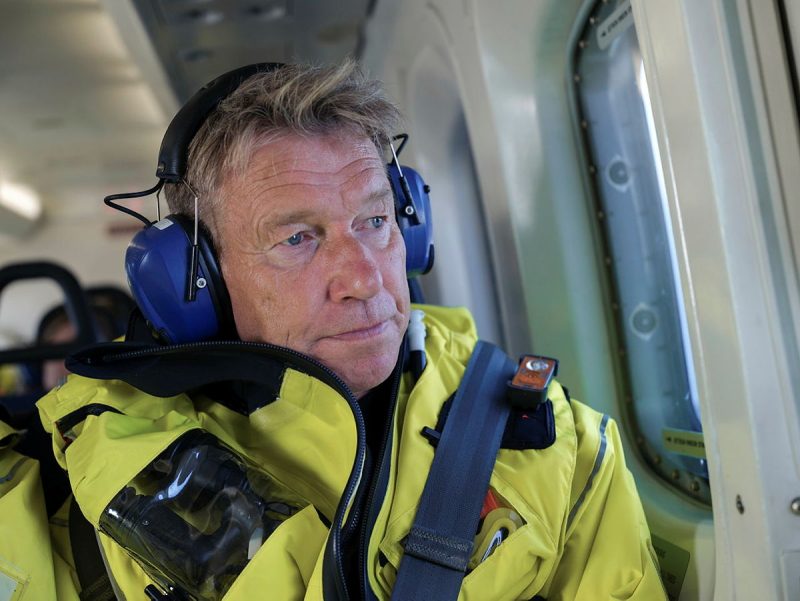
Aasland told DN that “Norway’s role is to continue to be a stable, long-term supplier that upholds maximum production capacity. We will make use of the resources we have and make them available to the market. That’s important for Europe’s energy security and important for Norway.”
It’s also important for Ukraine, argue others, which still needs all the economic, energy and military support it can get. There are rising fears that the new war in the Middle East will again divert not just attention but also resources from Ukraine, much like how Israel’s US-backed response to Hamas’ attack did after the Russian invasion. Such diversions that weaken Ukraine can be viewed as a gift to Putin, raising more questions over why Trump allows them.
Norway remains among the most ardent defenders of and biggest donors to Ukraine. Støre has made several trips to Kyiv, received Zelensky in Oslo and joined EU colleagues in stressing how Ukraine is fighting not just for its own freedom and democracy but also for that in all of Europe. The war Putin ordered poses a threat to all of Russia’s neighbours, including Norway.
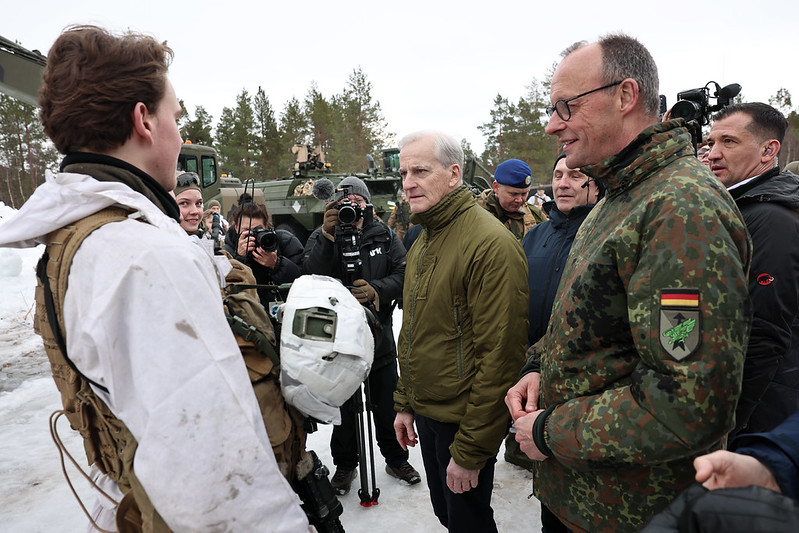
Norway is thus currently hosting yet another round of “Cold Response” NATO winter exercises led by a Norwegian-American operative headquarters in Bodø. At the same time Norway is signing new “historic” defense agreements directly with specific NATO allies like the UK and, more recently, Germany. Støre and German Chancellor Friedrich Merz signed their “Hansa Agreement” during the Munich Security Conference last month that allows much deeper and broader cooperation on surveillance from space, maritime security, land-based defense operations, rapid response to any threats and defense industry issues.
That’s also what brought Merz to Norway on Thursday: A visit to Norway’s Andøya Space center on the northern coast just south of Andesnes. It’s a satellite launching and testing site aimed at vastly improving space-based surveillance, communications and the launches themselves. Støre claims it’s also part of making Europe more self-sufficient on satellite- and rocket launchings.
“We need the autonomy of it,” Merz told reporters gathered at Andøya, after “leaning much too long on other nations. This is Europe’s time. It’s the time for European cooperation.” Isar Aerospace of Germany is planning a new test launch and has seen a major increase in customers, while Støre has stressed how use of satellites is extremely important for weather forecasts, climate monitoring, maritime navigation and overviews of natural disasters in addition to national security and defense. Norway’s advantage is geographic location for launchings over water at the top of the world.
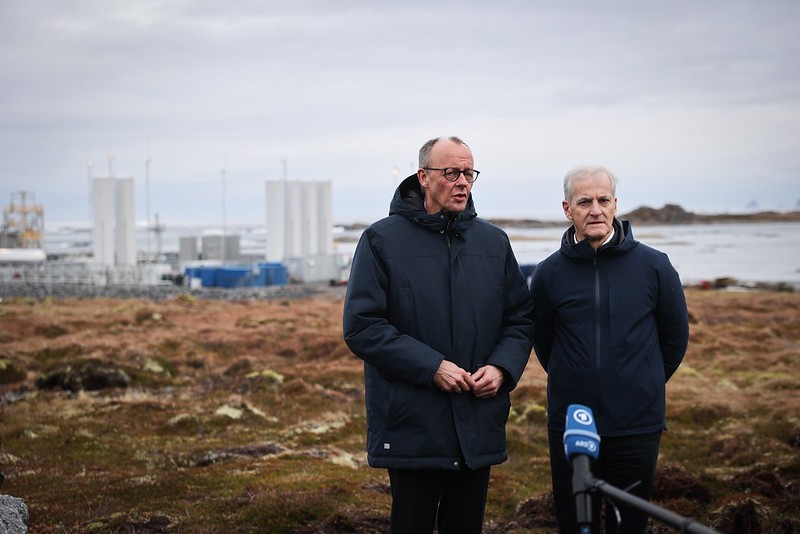
Merz arrived just before Canadian Prime Minister Mark Carney, enabling an informal summit with two of Norway’s closest allies in challenging times. “This also gives us an opportunity to explain how important the northern areas really are,” Støre said. “If there’s any area we know a lot about, it’s Northern Norway” and the rest of the North Atlantic Arctic region, where Norway has been active at sea and on land for centuries.
Carney also hails from an Arctic country similar in many ways to Norway with its own large oil and seafood industries. It was both Merz’ and Carney’s first official visits to Norway and the first time a Canadian prime minister had visited since 1980. They met in Bardufoss, where thousands of NATO forces are training not least with the US itself, which sent around 4,000 troops even after needing to divert some fighter jets and other aircraft to the Middle East.
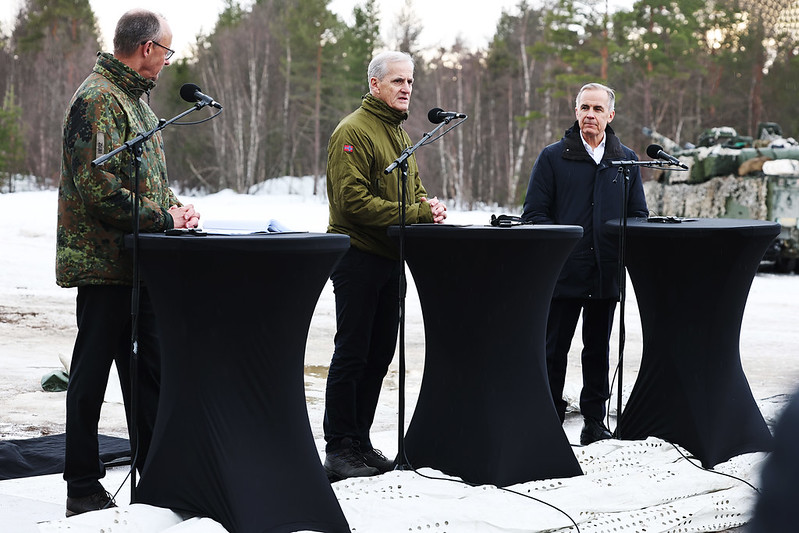
All of them claimed they’re ready, willing and able to defend the so-called “High North” in the event of Russian aggression. “We are all invested in our security and safety, and we see that we are better when we work together,” said Carney during a press briefing. “There is fundamental learning to gain from this exercise.”
Merz also referred to the new and ongoing war in the Middle East, and noted that the fighting there also affects “our security” and energy supplies. When the war first broke out, Norway and Spain emerged as most skeptical to it. Now Germany is expressing concern as well.
“We have no interest in an endless war,” Merz said on Friday, nor in whether Iran’s territorial integrity or status crumbles. He said that would have “serious” effects on the rest of the world. Few support Iran’s history of repressing its own citizens, but now any prospects of a quick regime change seem dim.
All three leaders remain deeply concerned about Russian aggression and Ukraine, and the US response, as do other EU leaders. On Friday the EU’s foreign affairs leader Kaja Kallas went so far as to say that the US under Trump is trying to divide Europe and weaken the EU. She told the British newspaper Financial Times that “they don’t like the European Union,” and she called on all EU countries to address the US together, not bilaterally: “They don’t like it when we stand together, because then we are equal powers.”
Kallas has recently been in Norway, attending the Arctic Frontiers conference in January when she made similar claims. She believes European countries should invest in weapons systems together, in order to improve military cooperation. She’s also keen on defending the Arctic together through NATO, telling NRK at the time that “security in the Arctic has never been more important,” not least because of Russia’s war on Ukraine. She doesn’t think Russia wants peace in Ukraine.
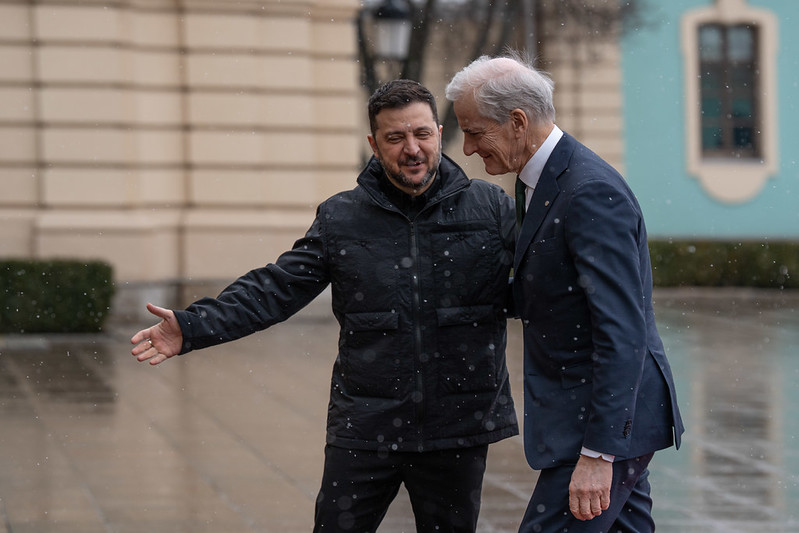
Støre, Stoltenberg, Merz, Carney and most leaders of the EU and NATO countries definitely do. “At a time of so much international uncertainty, it’s important to strengthen our cooperation among Canada, Norway and the Nordic countries,” Støre said on Friday.
On Sunday he planned to host Carney along with the leaders of Finland, Sweden, Denmark and Iceland at a summit in Oslo, where they’d all talk about the geopolitical situation, security in the Arctic and cooperation among them, including ongoing aid to Ukraine.
NewsinEnglish.no/Nina Berglund
