

Danish shipowning company DFDS is selling its cruise-ferry operations between Norway and Denmark, marking the end of an era for what’s fondly called danskebåten (the Danish boat) among Norwegians. The ships have been carrying passengers, vehicles and some cargo for decades.
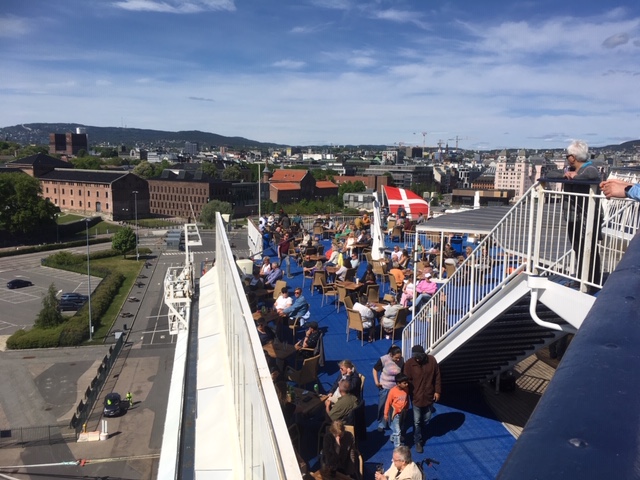
DFDS, however, has decided to concentrate on its core operations within cargo shipment, logistics and other passenger transport routes in Europe and, most recently, between Spain and Morocco. The company stated that the decision will secure that the (cruise ferry) routes linking Oslo, Frederikshavn in northern Denmark and Copenhagen will “get the attention and investment they need” in order to develop.
“The route is part of our history and heritage,” said DFDS chief executive Torben Carlsen, “and it’s with a heavy heart that we have found a new home for the route and will be saying goodbye to many valued colleagues.” The company has called the ferry route between Denmark and Norway “a mini-cruise,” with the vessels featuring several restaurants, bars, tax-free shopping and entertainment on board.
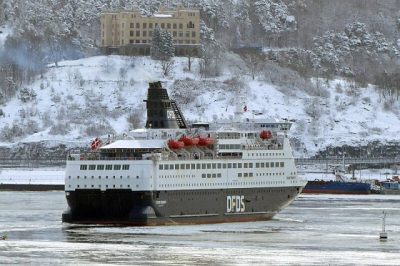
The buyer is Swedish shipping company Gotlandsbolaget, which will now take over 800 of DFDS’ employees, two ships (the Crown Seaways and Pearl Seaways), their routes, harbor agreements and terminals. Its leader, Håkan Johansson, said he sees “great potential” with the purchase.
The DFDS ferries carry more than 700,000 passengers a year between Denmark and Norway, with the main route leaving Oslo every afternoon and arriving the next morning in Copenhagen after a stop in Fredrikshavn. The same ship then sails back to Oslo later in the day.
“We have determined this to be the best way forward for all,” Carlsen said. He added that the Norway-Denmark cruise-ferry route “deserves to be in the hands of an owner with cruise experience as a core part of their strategy. We are happy to have found that with Gotlandsbolaget.”
Based on Gotland off Sweden’s west coast, the company currently runs passenger ferries in the Baltic and ranks as Sweden’s oldest passenger shipping company, founded in 1865. The Swedish firm will pay the equivalent of DKK 400 million for the route and operations, which Johansson claimed “is performing well today.” He also said it was “another step” in Gotlandsbolaget’s own “strategic direction to expand in passenger shipping.”
NewsinEnglish.no/Nina Berglund
