

Norway’s Directorate of Cultural Heritage (Riksantikvaren) announced on Monday that it is recommending seven burial mounds around the country for inclusion as Unesco World Heritage sites. All are confirmed as containing the remains of Viking ships.
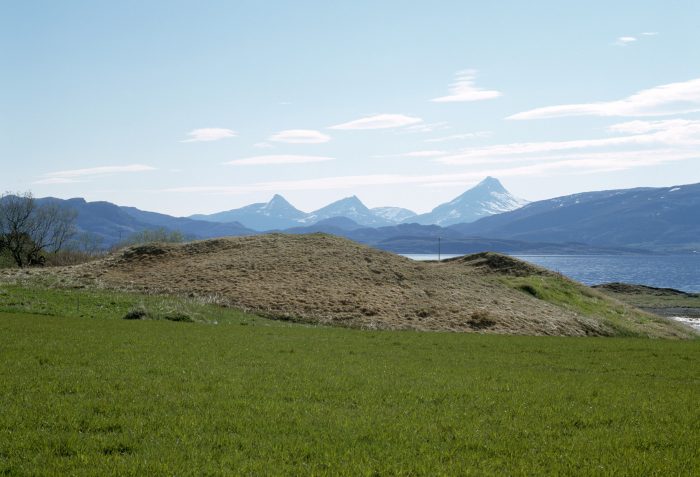
The directorate delivered its recommendation to the government ministry in charge of climate and the environment on Monday. It’s hoping that Norway’s Viking heritage can become the country’s latest inclusion on the World Heritage list.
“The ship burial mounds in Norway are unparalleled in the world,” said Hanna Geiran, who leads the directorate charged with taking care of Norway’s cultural heritage. “The seven we have chosen are the most important from the Viking Age in Norway.”
They include Gjellestad in Østfold County, Borrehaugene on the coast between Horten and Tønsberg in Vestfold, Oseberghaugen and Gokstadhaugen (also in Vestfold and from which the famed Oseberg and Gokstad ships were excavated), Storhaug in Rogaland, Myklebust in Vestland and Herlaugshaugen in Trøndelag.
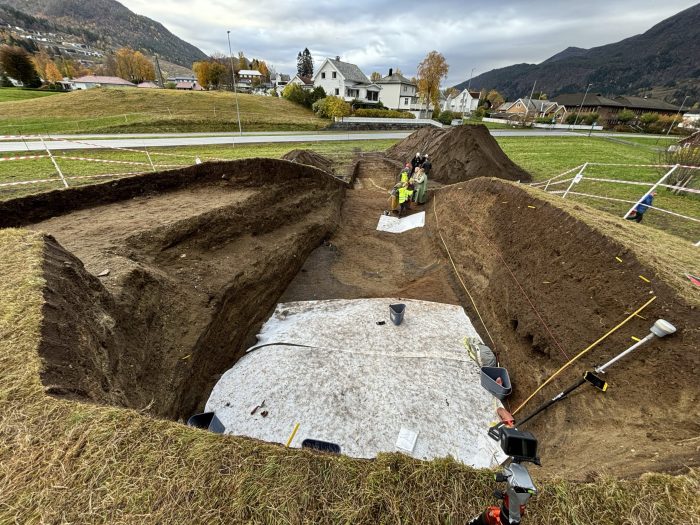
The Myklebust site has already yielded remnants of what officials call the “formidable” Viking ship that was both burned and buried near the Nordfjord in Western Norway. Archaeologists could confirm last year that the burial mound, known locally as Rundehogjen, contained an unusually large Viking ship when they found more than 500 ship nails, a bronze ring and several possible bulges from shields. That came in addition to the roughly 600 ship nails and remnants from shields extracted from the site when it was first excavated in 1874.
“There are great variations in the nails, and that conofirms that the Myklebustship was a formidable Viking ship,” said Morten Ramstad of the University of Bergen in October 2024 after the site was reopened. It was also re-examined with georadar, like other ship burial sites around the country.
The Herlaugshaugen site at Leka in Trøndelag was also reexamined, in 2023. It had yieled nails, bronze items and even a sitting skeleton with sword when examined as early as the 1700. It wasn’t until the early 1900s, though, that archaeologists came to believe the site also contained a ship or a boat. The most recent examination also yielded nails and and woodwork.
Viking ships that already are in museums, like those in Oslo, can’t be nominated for World Heritage recognition, Geiran said. “Only cultural regions and items that are still at the discovery sites can be nominated,” she said.
Her directorate has cooperated with the Museum of Cultural History at the University of Oslo, the archaeologic museum at the University of Stavanger and the counties of Østfold and Vestfold when forming the basis for the World Heritage recommendation. Now it’s up to the Norwegian government to decide whether to include the ship burial mounds on its tentative list of sites.
Norway already has eight World Heritage sites, including Bergen’s old wharf complex Bryggen, the historic mining town of Røros, the Urnes Stave Church at Luster in Sogn and the vast area of rock paintings in Alta. For the complete list, click here (external link to Riksantikvaren’s website).
NewsinEnglish.no/Nina Berglund
