

Norwegian fighter jets were reportedly sent out more than 40 times last year to identify and document a total of 53 Russian fighter jets flying close to Norwegian airspace. During Easter came reports of an unusually close encounter in the Arctic, which Norway regularly patrols on behalf of NATO.
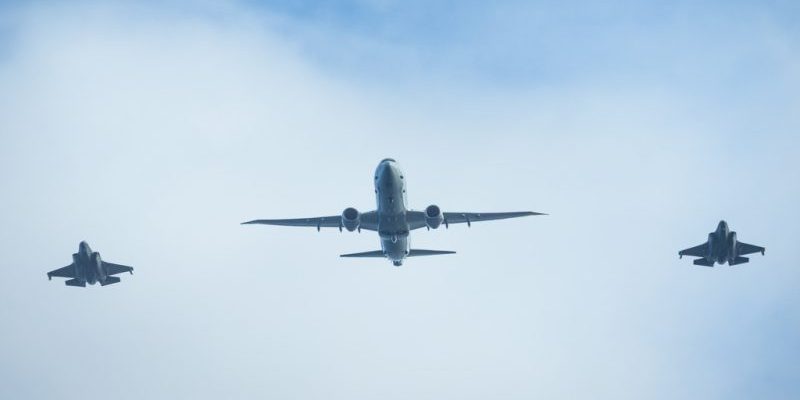
While the Russians claim there was nothing hostile about the encounter, it portrayed for the second time in recent weeks the drama that can occur in, under and above the seas off Norway. Last week came reports of how Norwegian and British forces teamed up to track, monitor and ultimately fend off Russian submarines believed to be planning sabotage of underwater cables and pipelines in the North Sea.
That incident occurred shortly after a Russian submarine sailing from a Russian base on the Kola Peninsula had initially seemed to create a diversion in international waters. Newspaper Dagsavisen reported on Tuesday that the Russian sub was followed by Norwegian and British vessels until their crews became aware, with the help of Poseidon maritime surveillance aircraft flying overhead, of two other Russian submarines that also had sailed out of Kola. They’re suspected of attempting to chart and damage deepwater undersea transmission cables until ultimately retreating under British and Norwegian surveillance.
Over the weekend, meanwhile, Dagsavisen reported on another incident involving a Russian fighter jet flown by a pilot known for acrobatics. He even released a video of the encounter on Russian social media Easter Sunday.
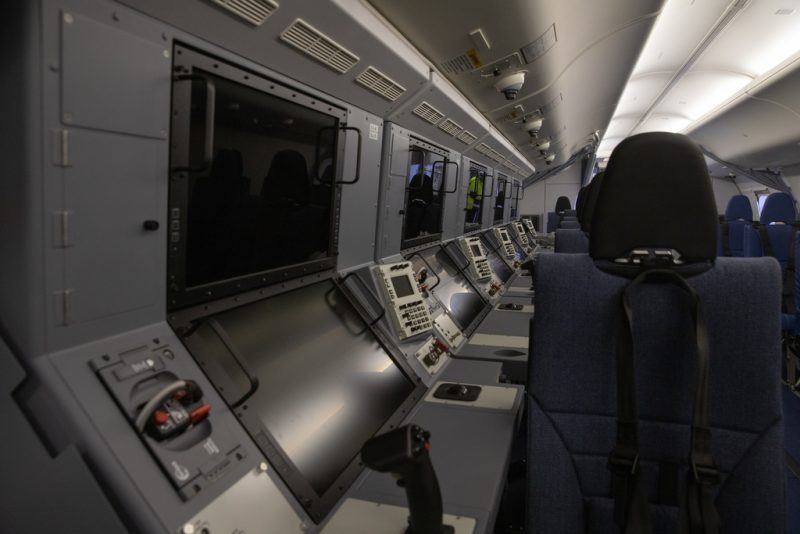
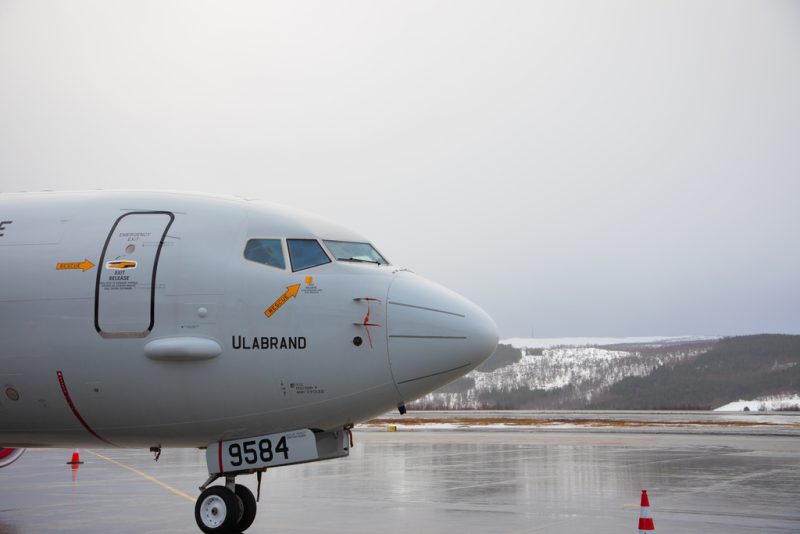
According to Dagsavisen, it shows he flew right alongside a Norwegian F35 and then right under a Norwegian P8 Poseidon maritime surveillance aircraft. It’s been identified as the Ulabrand, which went into service in 2022 and is based at Norway’s Evenes air base just west of Narvik.
Norwegian defense officials confirmed the incident and said the encounter was reported to “established channels” that keep track of such. “We actually see a high degree of professionalism when Russian and Norwegian crews meet one another in the air,” Air Force spokesman Stian Roen told Dagsavisen. “This incident is well known and was reported in from the Air Force to the (Norwegian) defense forces’ operation headquarters and on to the Northern Fleet. We have no further comment.”
Others, including an assistant professor at Norway’s air force college, think the incident that took place in February was “not very professional by Norwegian standards.” Lars Peder Haga called it “not very nice, but not directly dangerous.”
Haga told Dagsavisen that Norwegian pilots avoid flying so close, “and we wouldn’t make such sharp maneuvers like the one under the P8 aircraft.” For the Russians, though, he said it was “not unusual.” Haga further noted that the pilot involved is part of the so-called “Russian Knights” demonstration team, known as being highly skilled in handling their aircraft.
Commentator Maja Sojtaric maintains that the Russians don’t like Norway’s ever-closer cooperation with British forces, and may have even expected that US President Donald Trump’s recent attacks on Iran would distract NATO allies’ attention away from the Arctic when the submarines were sent to the North Sea.
“When they were caught, the Russians answered by churning up more rhetoric against Norway,” Sojtaric wrote in Dagsavisen on Tuesday. She urged Norwegian officials to pay closer attention to Russian rhetoric and campaigns, fearing that “the threshold for open conflict has become lower.”
Norwegian defense forces have been boosted in the Arctic region and Norway itself tries to avoid any provocation. Prime Minister Jonas Gahr Støre has repeated often that “Norway isn’t threatening anyone.”
NewsinEnglish.no/Nina Berglund
