

Norway is an oil-producing nation with a long history in the hydro-electric power business. Now, however, the country where electricity has always been plentiful and relatively cheap is bracing for higher rates and shortages that the government is trying to ward off.
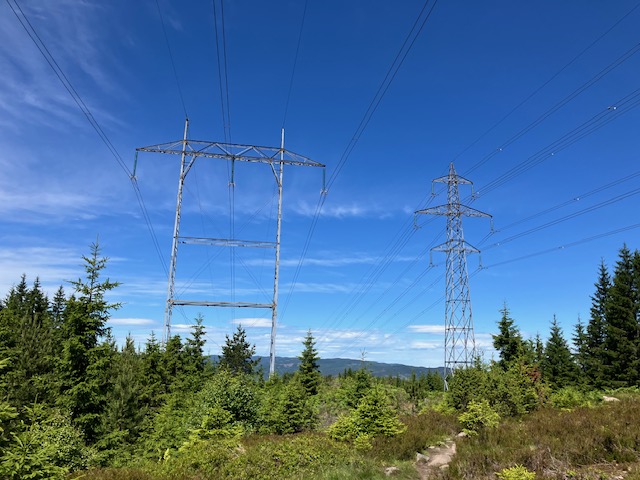
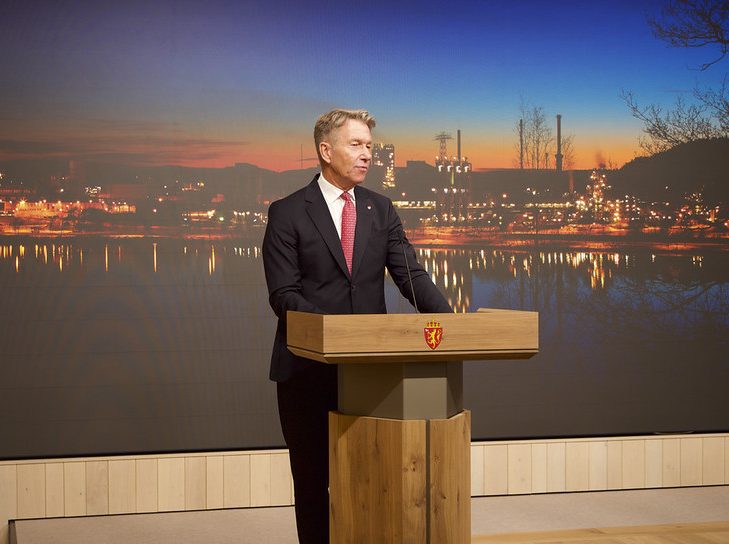
“We need to make some major and comprehensive changes in the law,” claimed Energy Minister Terje Aasland of the Labour Party at state energy provider Statnett‘s autumn conference this week. He specifically wants to make it more difficult for local governments around the country to halt wind power projects and especially the power masts that transport electricity.
Norwegians have to accept more power lines overhead and more wind turbines on the ground, said Aasland, who’s sending proposed law changes out for hearing. If approved, they’ll alter the current approval process for expansion of Norway’s power production and distribution.
Local governments may find themselves unable to halt new state-approved power projects and that’s unlikely to be popular with some of Labour’s political partners in Parliament. The Center Party, for example, often defends local authorities’ rights but is also keen on oil and energy projects. Other Labour partners that are more environmentally friendly have also worked to block so-called “monster masts” and wind turbines that scar the landscape.
The challenge is that several recent analyses of Norway’s energy outlook all confirm that Norway faces an energy deficit unless production increases and distribution improves. Norway’s energy distribution network requires not just expansion but also rehabilitation.
Both Aasland and Prime Minister Jonas Gahr Støre announced late last summer that the government is pushing for faster expansion of the country’s energy production and distribution network. The goal is to cut the time it takes to do that by streamlining the approval system for such projects and, not least, removing local authorities’ rights to halt them.
“Demand for energy and a better energy network has increased dramatically in recent years, while production and distribution haven’t kept up,” Støre said at a press conference with Aasland in August. “We have to pick up the pace, which is why we’re trying to simplify the rules and cut the bureaucracy (around power projects).” Aasland said he wants to shorten the time it takes to plan and expand the power network by half. Both he and Støre laid out a five-point plan on how to do so (external link, in Norwegian).
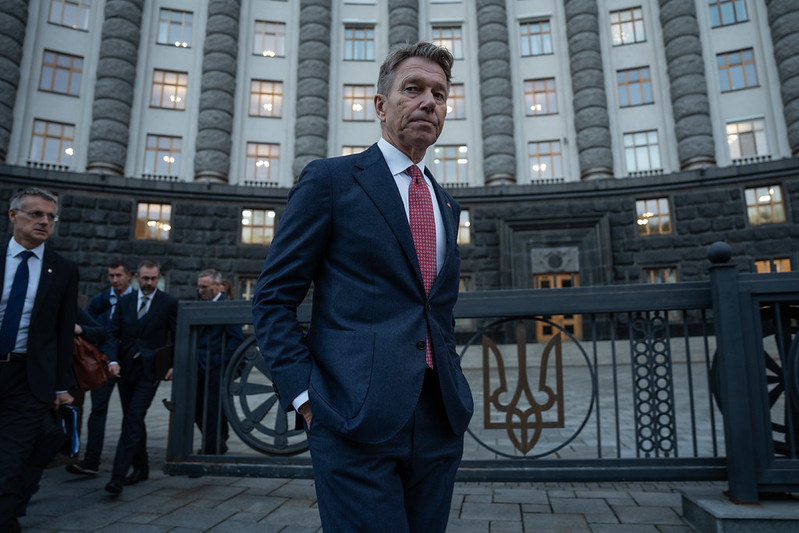
Aasland stresses that expansion, maintenance and efficient operation of Norway’s electricity network is also an important part of national security. More than 80 percent of Norway’s power supply remains renewable energy from hydroelectric projects, while wind power can continue to play a bigger role even though it’s controversial because of the towering and often noisy turbines involved.
“Wind power should be built with and not against local comminities,” Aasland said. They’ll still “have the right to say ‘yes’ or ‘no’ to wind power projects,” added, “but we want to make the process simpler with fewer conflicts.” The Sami Parliament will still be involved, he stressed, and Sami interests and regard for the nature and environment will continue to be central parts of the current licensing procedure.
Aasland is well aware of recent and massive opposition to wind power projects and conceded that offshore wind power projects are expensive and difficult to build. Solar energy projects need a lot of room, he noted, while more hydro-electric projects take a long time to construct and also meet opposition from all those wanting to preserve waterfalls. The government is working on a report on nuclear power prospects, “but nuclear power isn’t the solution for the challenges we face right now,” Aasland said. “We need to concentrate on the opportunities now available.”
NewsinEnglish.no/Nina Berglund
