

More than 700,000 Norwegians have already signed up for a new government program aimed at warding off electricity rate shocks this fall and winter, and beyond. Called Norgespris (literally, Norway’s price), it’s all part of rate subsidy reform that can become expensive for the state.
The government has already been picking up the tab for homeowners’ electricity rates when they rose over NOK 0.70/kwh. Now the incumbent Labour Party-led government is augmenting that program, begun when rates soared all over Europe after Russia’s invasion of Ukraine, with the Norgespris program that also is available to owners of holiday homes (hytter). The earlier subsidy applied only to primary residences, and will continue for those opting against Norgespris.
Those signing up for Norgespris will now get automatic subsidy when rates rise over NOK 0.40/kwh, and for the cost of Norway’s 25 percent tax on that known as moms (VAT). That means the cost of electricity rates over NOK 0.50/kwh will be subtracted from monthly bills for both residences and holiday homes, up to a maximum of NOK 5,000 (USD 500) a month for homeowners and NOK 1,000 for hytte owners.
The fixed “Norgespris” of NOK 0.40 plus the NOK 0.10 tax on it, however, will apply all year, also in the summer when rates can fall below NOK 0.50/kwh including tax. That means consumers may end up with higher bills in the summer than they had before, but significantly lower bills in the winter.
The cost of transporting electricity over Norway’s power lines (known as nettleie) and various taxes and fees on that, meanwhile, isn’t affected by either subsidy program and will remain the same based on the amount of electricity consumed.
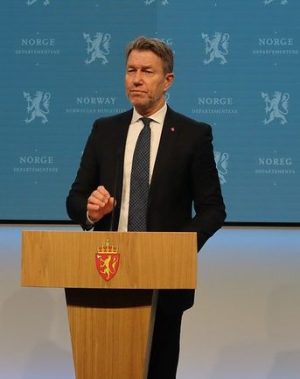
Analysts were warning this week, when the new Norgespris program went into effect from October 1, that it may turn out to be very costly for the state, perhaps as much as NOK 10 billion (USD 1 billion) a year. Energy Minister Terje Aasland won’t disclose the government’s own budget for it until the entire state budget is presented in Parliament later this month, but set aside nearly NOK 1.3 billion just for the last three months of this year in its revised state budget for 2025.
The final cost will depend on how many Norwegians actually sign up for it, so the numbers remain uncertain. Given its popularity in Southern Norway already, where more than 700,000 households had signed up by October 1, the cost could soar. Power analyst Tor Reier Lilleholt of Volue Insight told news bureau NTB that the cost could surpass NOK 11 billion if half of the households in Central Norway also sign up.
“As a policy for attracting votes (in the recent election), Norgespris is a stroke of genius,” Lilleholt told NTB, “and for electricity customers it’s also very good.” He worries about its effect, though, on the entire power system if it entices consumers to use more electricity than they have in earlier autumns, winters and springs. There won’t be the same incentives to reduce consumption, and that can also raise electricity rates in neighbouring Sweden which is part of the same market. Some Swedish officials have been criticizing the Norwegian government for offering such subsidy, fearing it will raise costs over the border.
Lilleholt also worries that lower electricity bills can reduce the use of wood-burning stoves and fireplaces during the winter. “That can hurt firewood dealers,” he said.
Energy Minister Aasland defends the program, though, suggesting it will bring “solidarity” to the market after the past few years of high and highly variable electricity rates. Norway is known as an expensive country, but where electricity was one of the few things that was cheaper than elsewhere because of all its waterfalls that fed the hydroelectric industry.
Aasland also insists Norwegians will still save money by reducing electricity consumption, noting how taxes, fees and delivery costs will remain the same. “I think the Norwegian people are quite sensible when it comes to electricity consumption and their own wallets.” Asked whether he had signed up for Norgespris himself, Aasland told NTB he had. He lives in Skien, where electricity rates have been among the highest in the country.
NewsinEnglish.no/Nina Berglund
