

After a week of political panic over high fuel prices at the pumps, opposition parties in the Norwegian Parliament joined forces to demand a cut in fuel taxes. Their goal was to bring pump prices down, but that didn’t happen when the cuts went into effect on April 1. Some angry motorists were calling it all a bad April Fools’ Day joke.
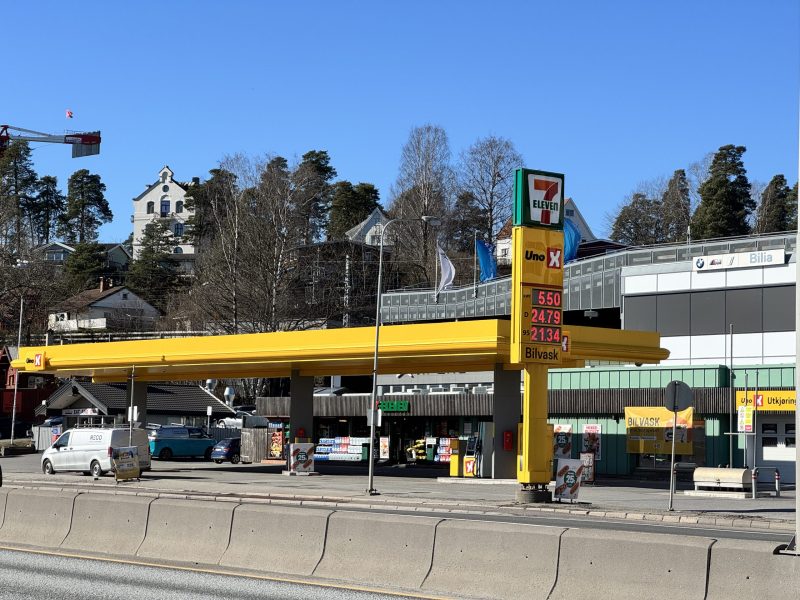
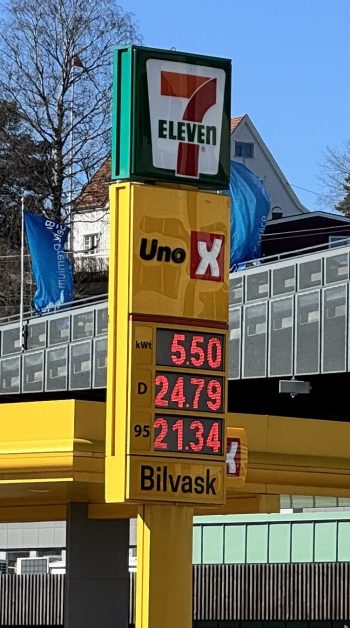
“I think this is all absurd, and now with completely absurd prices,” one frustrated customer at a Circle K fuel station in the Oslo area told Norwegian Broadcasting (NRK) late Tuesday night. Just before midnight, he could see how the price sign at the station suddenly changed, with unleaded gasoline (petrol) actually rising by around NOK 5 per litre, and diesel rising by almost as much.
Then, just after midnight, the prices fell again, presumably reflecting the new fuel tax cuts that took effect at midnight. Consumers like him were left facing the same high fuel prices as before, even though the tax cuts will cost the country more than NOK 6 billion in lost revenues over the next six months.
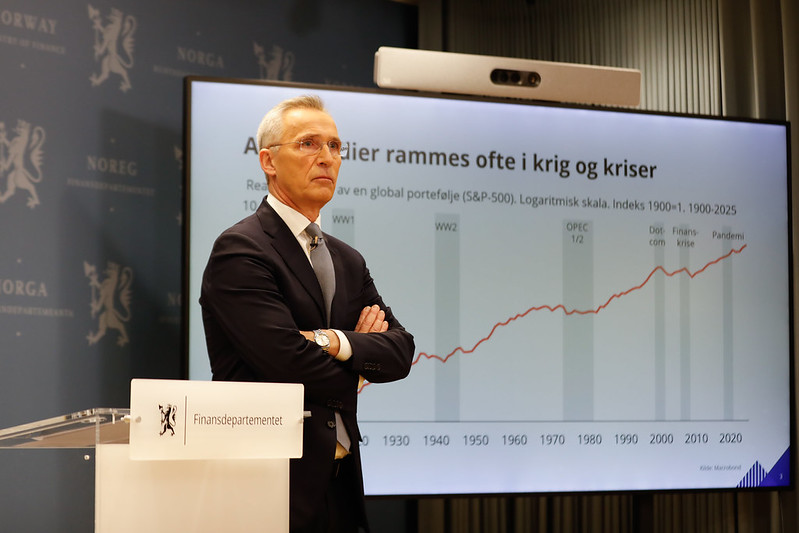
Norway’s minority Labour Party government had opposed the fuel tax cuts, with Finance Minister Jens Stoltenberg stressing how there’s no financing for them in the state budget. He was let down, however, by his predecessor Trygve Slagsvold Vedum of the struggling Center Party, which has lost lots of voters since last fall’s election.
Even though Center earlier shared government power with Labour, and has had a budget agreement with Labour, it supported the fuel tax cuts that could appease Center’s largely rural constituency. That gave the conservative parties a majority, and the tax cuts were approved after a rapid voting process late last week.
Stoltenberg now faces a tax revenue shortfall of around NOK 6.7 billion even though the cut is temporary and will only extend until September 1. There are still lots of other taxes on fuel in Norway, which is why it’s been costing the equivalent of more than USD 10 a gallon. Only a portion of them were actually reduced.
Fuel taxes are so controversial in Norway that they’ve been known to bring down governments. Stoltenberg and his colleagues opted to along with the new majority in Parliament after Center, its own former partner, sided with the Progress, Christian Democrats and Conservative parties. He called it “a difficult situation” but the government clearly preferred to avoid a political crisis and go along with the fuel tax cuts as quickly as they could.
Stoltenberg was frank in admitting that he wasn’t happy about the situation but the government respected the will of Parliament even in haste. “This is very rapid implementation,” he told reporters on Monday, “but the most important thing now is for taxes to be reduced from April 1.”
They were, but actual pump prices were not, after the volatile price of oil went up again and fuel retailers were quick to respond. That left consumer advocates upset, too, blaming the fuel fiasco on a lack of competition among fuel retailers nationwide and in Oslo as well.
“We are very taken aback over how prices went up at midnight,” Olav Kasland of the Norwegian consumer council Forbrukarrådet told NRK, “and we expect the prices to go down in line with the tax cut. That’s the whole point.” Kasland confirmed that now, fuel prices are “totally unclear for consumers. It’s impossible to figure out what will happen with them.”
The fuel price chaos came just as Norway’s long five-day Easter holiday weekend began, so there were no new debates or discussion in Parliament over how pump prices have risen instead of fallen. It’s sure to come when Parliament reconvenes, though, after oil companies and petrol suppliers have shown that they have the most control over pump prices in the end, not the politicians.
Various petrol retailers were defending their pricing, claiming they weren’t cheating customers and pocketing the tax cut themselves. The YX chain, which had already boosted diesel prices to NOK 29.91 (equal to USD 12.86 per gallon), claimed it was “following normal procedure” based on “the international cost/price, currency exchange rates, transport, operating costs and competition.” The Esso chain “confirmed” it had lowered pump prices in line with the lower fuel tax, but the leader of its customer service division claimed pump prices are determined by “more factors than taxes” and that international prices had “risen a lot during the past four weeks.”
The large Circle K chain, which took over the Norwegian state oil company’s retail business several years ago, claimed “technical problems” had led to the price hikes and declines around midnight Tuesday, just before the lower taxes took effect. Circle K vowed that “the tax cut shall benefit customers krone for krone.” Other chains claimed much the same.
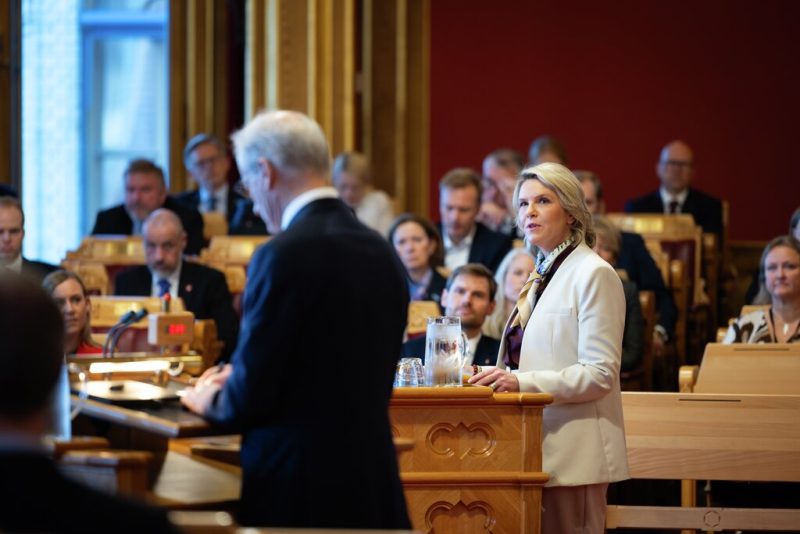
Sylvi Listhaug, leader of the right-wing Progress Party that launched the tax cut offensive in Parliament, was not happy about how the tax cuts hadn’t in fact lowered pump prices this week. She and her party are often described as populists, as is the Center Party that gave the conservative parties the majority in Parliament, and they were both disappointed over the result of their efforts.
“It’s unacceptable if the tax reductions aren’t benefitting consumers,” Listhaug told NRK. She said her party now “expects prices to be lowered in accordance with the tax cut … and that the petrol stations need to deliver that.” She’s also keen to cut Norway’s 15 percent tax on food, too, after food prices have risen dramatically over the past few years. Sweden recently cut both its fuel- and food tax, and Norwegians have been flocking over the border to do their grocery shopping.
Researchers, however, think prices will gradually climb anyway in accordance with costs and profit goals. Alexander Skjøll of the consumer research instiutute SIFO told news bureau that also the petrol retailers need to cover costs, as the value of their fuel rises. “We really don’t know what will happen,” Skjøll told news bureau NTB, “since we don’t have experience with cutting taxes in this manner.”
NewsinEnglish.no/Nina Berglund
