

NEWS ANALYSIS: Norwegians may want to reconsider their longtime opposition to EU membership. On Tuesday it suddenly became more risky and expensive to remain outside the EU, after EU officials imposed a new global tariff on metal alloys and decided that this time, its partners in the European Economic Area (EEA/EØS) won’t be entirely exempted from it.
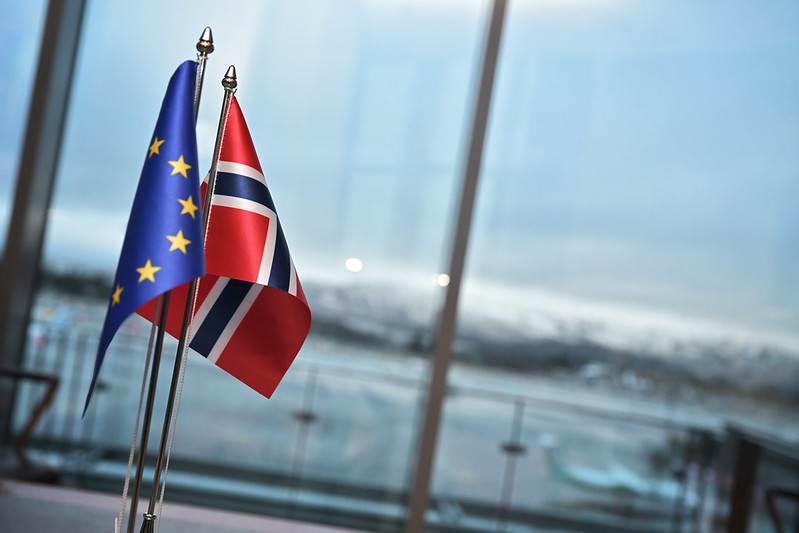
Norway is both a major producer of metal alloys and the largest of the non-EU members in the EEA that also include Iceland and Liechtenstein. The EEA agreement from 1994, when Norway once again voted “no” to EU membership, lets all three countries buy access to the EU’s inner market through a special trade pact. The three non-members have also enjoyed other aspects of cooperation with the EU without being members of the EU themselves.
They’ll still presumably retain other EEA benefits, but now the EU will examine how much of their metal alloys have been imported over the past three years. Fully 75 percent of that will remain free of tariffs (customs duties), but everything over that will get hit by a tariff meant to protect EU producers of metal alloys.
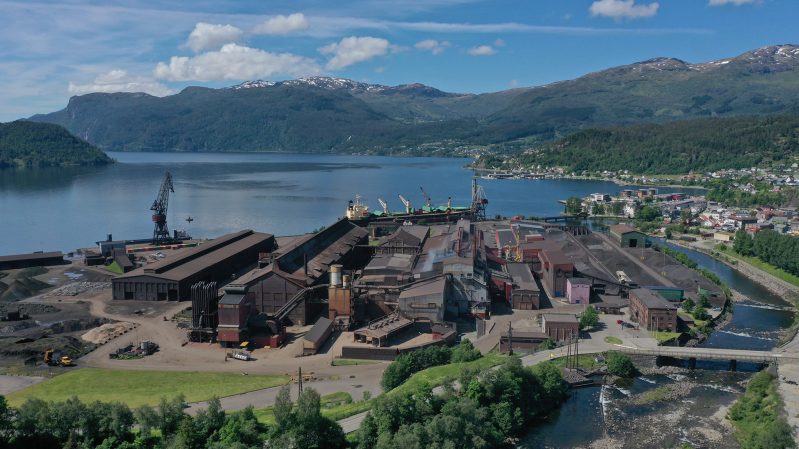
Newspaper Dagens Næringsliv (DN) has reported that fully 43 percent of the EU’s imports of metal alloys come from Norway, which is why Norway stands to be hit especially hard by a new tariff on them. They’re produced at smelters that play an important role in the local economies of outlying areas in and around Sauda in Rogaland, Mo i Rana in Northern Norway, Kyrksæterøra in Trøndelag and Porsgrunn on Norway’s southern coast. Industrial organizations have claimed that the new EU tariffs may put more than 2,000 jobs at risk.
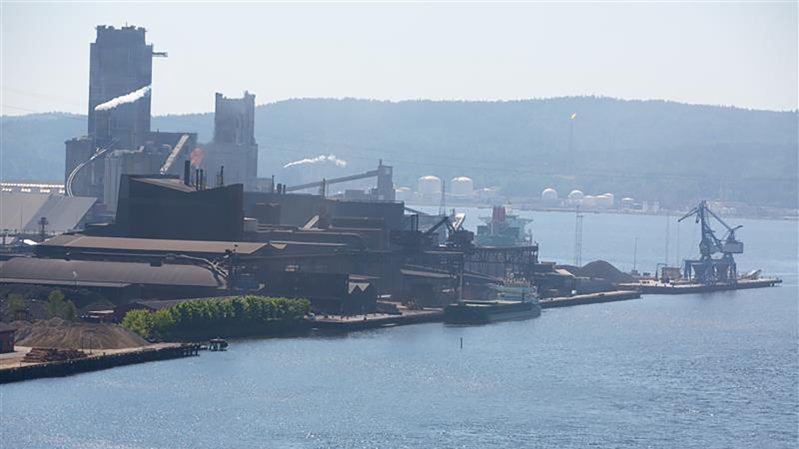
Several of the companies operating the Norwegian smelters are, ironically enough, both French- and German-owned, including those in Sauda, Porsgrunn, Kyrksæterøra and in Kvinesdal. That had raised hopes, wrote DN commentator Simen Ekern recently, that perhaps they’d help keep Norway inside the EU’s tariff union out of “strategic consideration.” Producers in EU-member countries Poland and Slovakia, however, have been hit hard by competition and couldn’t understand why producers in non-member Norway have been able to compete on the same terms as themselves. Ekern noted that it didn’t help that the EU’s powerful trade commissioner is from Slovakia.
Norway has earlier managed to win tariff exemptions from the EU on its steel exports, but intense political and industrial lobbying to protect Norwegian production of metal alloys failed. Both Trade Minister Cecilie Myrseth and Foreign Minister Espen Barth Eide were lamenting the EU decision on Tuesday, especially after it had been postponed twice.
“We disagree with the EU on this matter,” Myrseth said at a press conference on Tuesday, “and it will be negative for the companies involved.” She and Eide were calling in both industrial and labour officials to another crisis meeting, with all of them claiming they think the EEA/EØS trade agreement should also apply to metal alloys.
“We share the ambition of protecting industry in Europe from global overproduction, but we don’t think Norway should be included in this measure,” Myrseth added. Eide said he and his diplomat colleagues, who worked hard but unsuccessfully to avert the EU’s new tariff, will “follow up contact with the EU to see how we can address the concerns of Norwegian business and exports to the European market.” He said that will be a “central issue” at and EEA/EØS council meeting on Thursday.
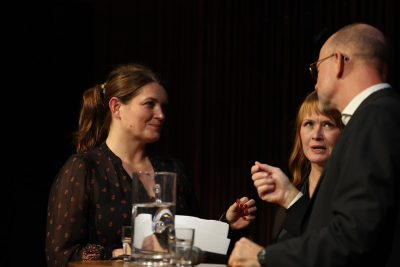
Kine Asper Vistnes, the new leader of Norway’s largest trade union confederation LO, also despaired over the EU decision. “This is serious for Norwegian industry, for Norwegian workers and for Norway,” said Vistnes. “The EU tariff will have direct consequences for thousands of Norwegian workers,” she added, if production is cut because exports to the EU will become much more expensive.
Ole Erik Almlid of the national employers’ organization NHO agreed, calling it “serious that Norway is falling outside (the agreement) when the EU sees an increasing need to protect its own industry.”
That’s where Norway can land in an awkward position, though, given all its own tariffs on, for example, food imports from the EU. They’ve long been meant to protect Norwegian farmers and make everything from celery to tomatoes and meat produced outside Norway just as expensive for consumers as those produced in higher-cost Norway. EU producers have long tolerated Norwegian tariffs of as much as 400 percent on cheaper (and often better) food products from the EU.
Now it’s Norway’s turn to face tariffs, despite the EEA/EØS agreement that has protected Norwegian exporters to the EU for decades. That has raised questions about the strength of the EEA/EØS agreement: “It means it isn’t adequate in securing us the market access we need,” Rune Dolmen, manager of the (French) Eramet smelter in Sauda, told Norwegian Broadcasting (NRK) on Tuesday.
At the same time, there’s more momentum behind efforts to get the EU membership debate back on the agenda in Norway. It’s been squashed for years by both of Norway’s so-called “steering parties” (Labour and the Conservatives) who feel it’s too polarizing. EEA/EØS partner Iceland already seems headed for a new vote on EU membership, though, which could leave Norway alone with just Liechenstein as partner in the current agreement that may no longer be sufficient. Given the importance of all the other major alliances between Norway and the EU, not least those involving defense, many think it’s time for Norway to finally become an EU member itself.
The EU, meanwhile, seems to see a need for differentiating non-members from members, with the latter gaining more advantages. Even though Norway pays hundreds of millions of kroner a year for the market access allowed through the EEA agreement, it can’t expect full membership privileges without being a member.
Both Myrseth and Eide, meanwhile, stressed that Norway won’t respond with a punitive recipricol tariff against the EU. “It’s not in Norway’s interests” to do that, Myrseth said at the press conference. “We have a small and open economy. I can’t see how that would help Norwegian business.” Foreign Minister Eide, among those from Labour who have long favoured EU membership, agreed.
NewsinEnglish.no/Nina Berglund
